
Volume 11, Issue 2 (December 2025)
Elderly Health Journal 2025, 11(2): 86-95 |
Back to browse issues page



Download citation:
BibTeX | RIS | EndNote | Medlars | ProCite | Reference Manager | RefWorks
Send citation to:


BibTeX | RIS | EndNote | Medlars | ProCite | Reference Manager | RefWorks
Send citation to:
Zarei M, Khadem-Rezaiyan M, Shamsi M. Exploring New Medical Trends in Geriatrics Research in Iran from 2012 to 2024. Elderly Health Journal 2025; 11 (2) :86-95
URL: http://ehj.ssu.ac.ir/article-1-319-en.html
URL: http://ehj.ssu.ac.ir/article-1-319-en.html


Medical Sciences Education Research Center, Mashhad University of Medical Sciences, Mashhad, Iran , khademrm@mums.ac.ir
Full-Text [PDF 948 kb]
(213 Downloads)
| Abstract (HTML) (588 Views)
Full-Text: (280 Views)
Exploring New Medical Trends in Geriatrics Research in Iran from 2012 to 2024
Mitra Zarei 1,2, Majid Khadem-Rezaiyan 1,2* , Mahdieh Shamsi 1
Copyright © 2025 The Author(s). This is an open-access article distributed under the terms of the Creative Commons Attribution-Non Commercial 4.0 International License (http://creativecommons.org/licenses/by-nc/4.0/) which permits copy and redistribute the material just in noncommercial usages, provided the original work is properly cite.
Introduction
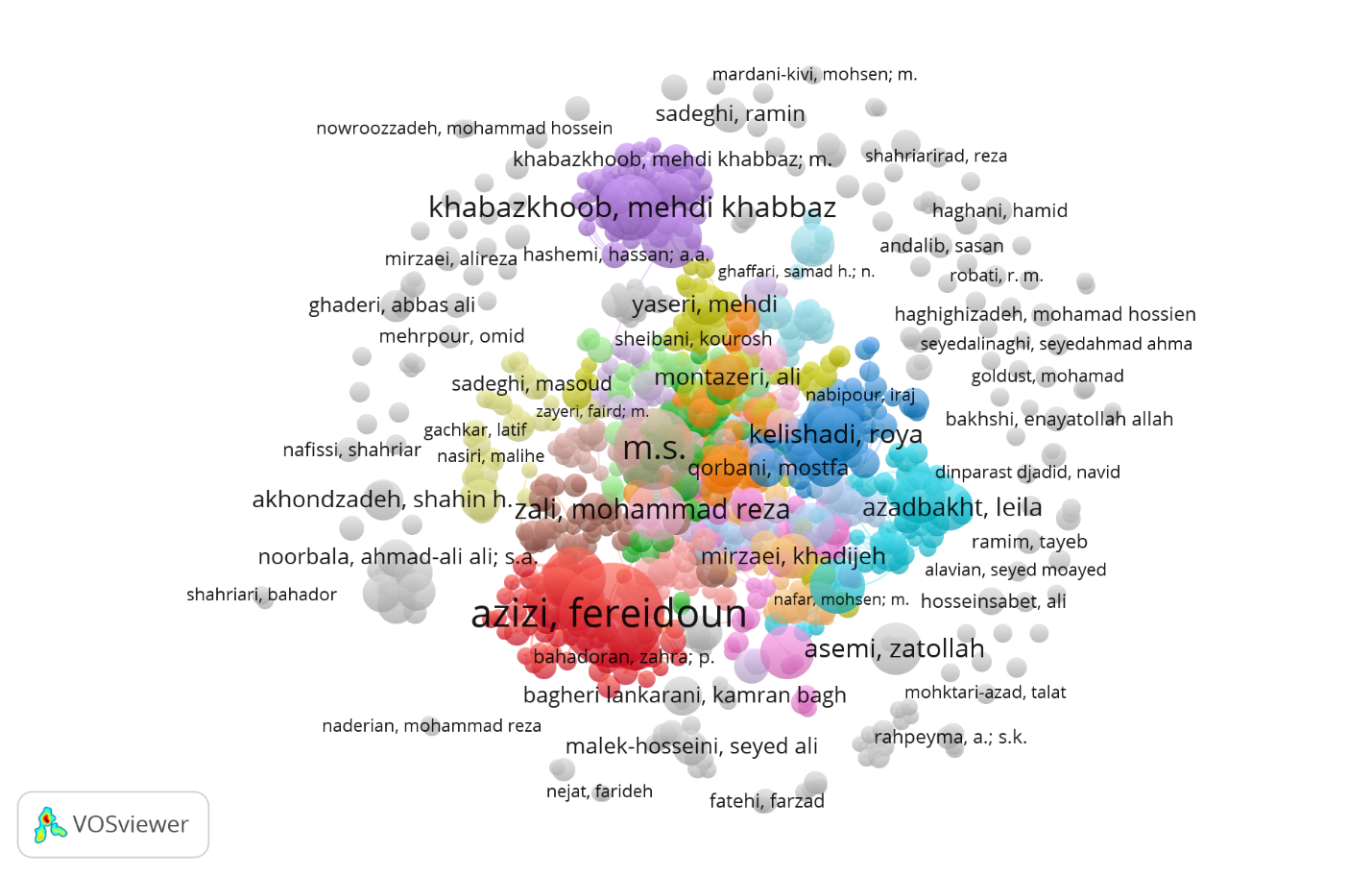
Figure 1. Co-authorship map by authors in the field of geriatrics during 2012-2024
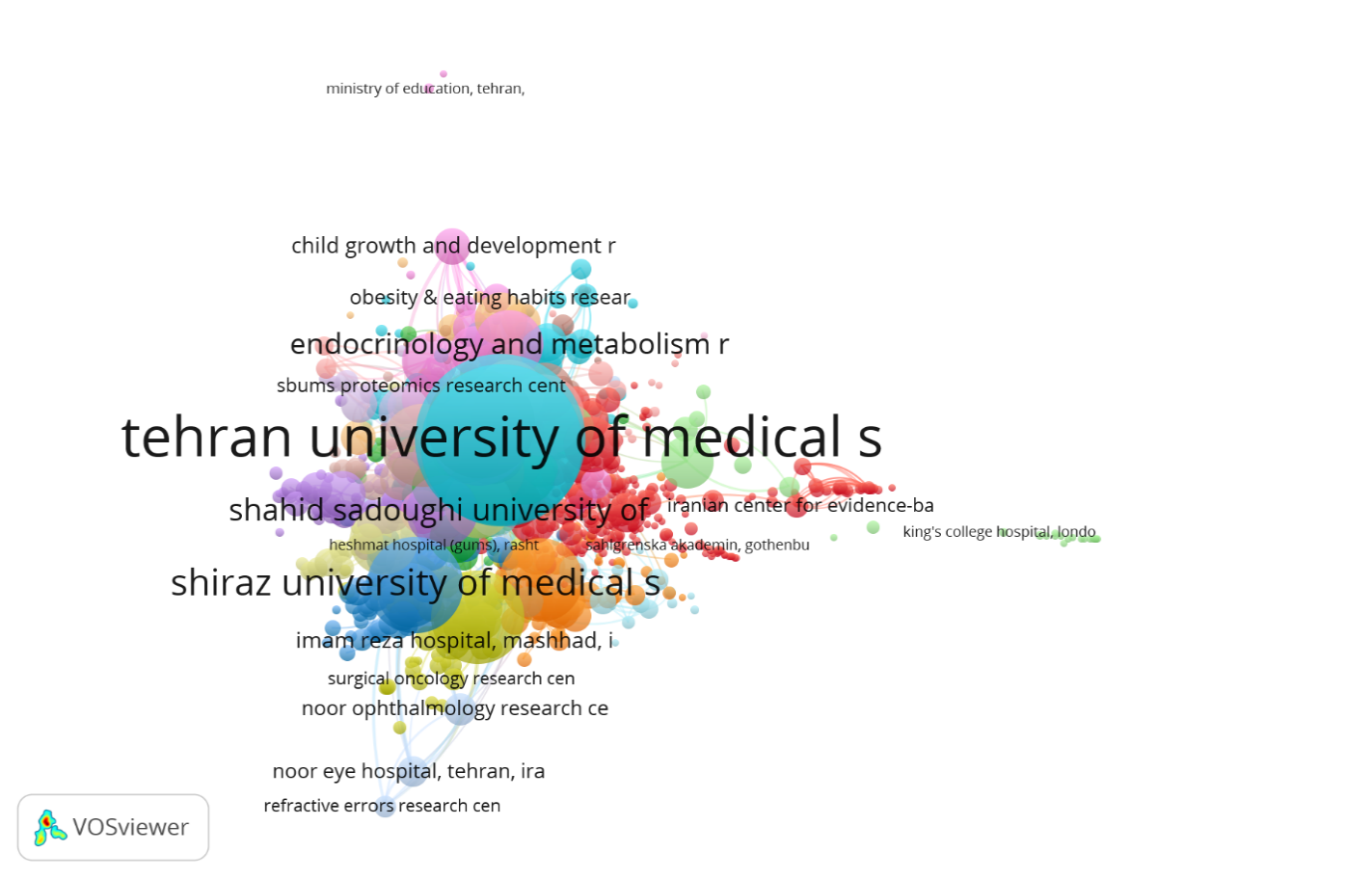
Figure 2. Co-authorship map (view of organizations) in Iran's field of geriatrics during 2012-2024
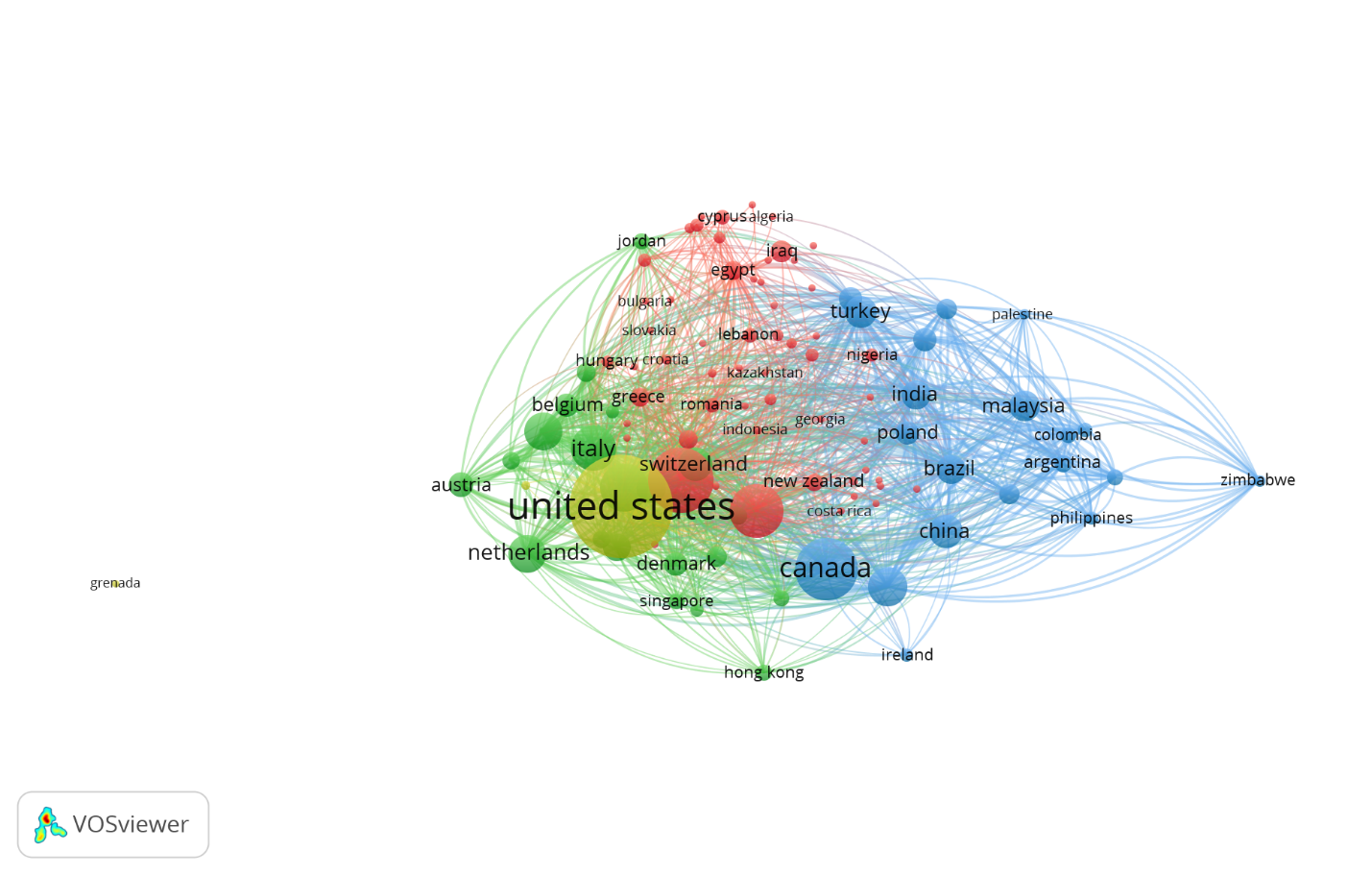
Figure 3. Co-authorship of countries producing science in the field of geriatrics during 2012-2024
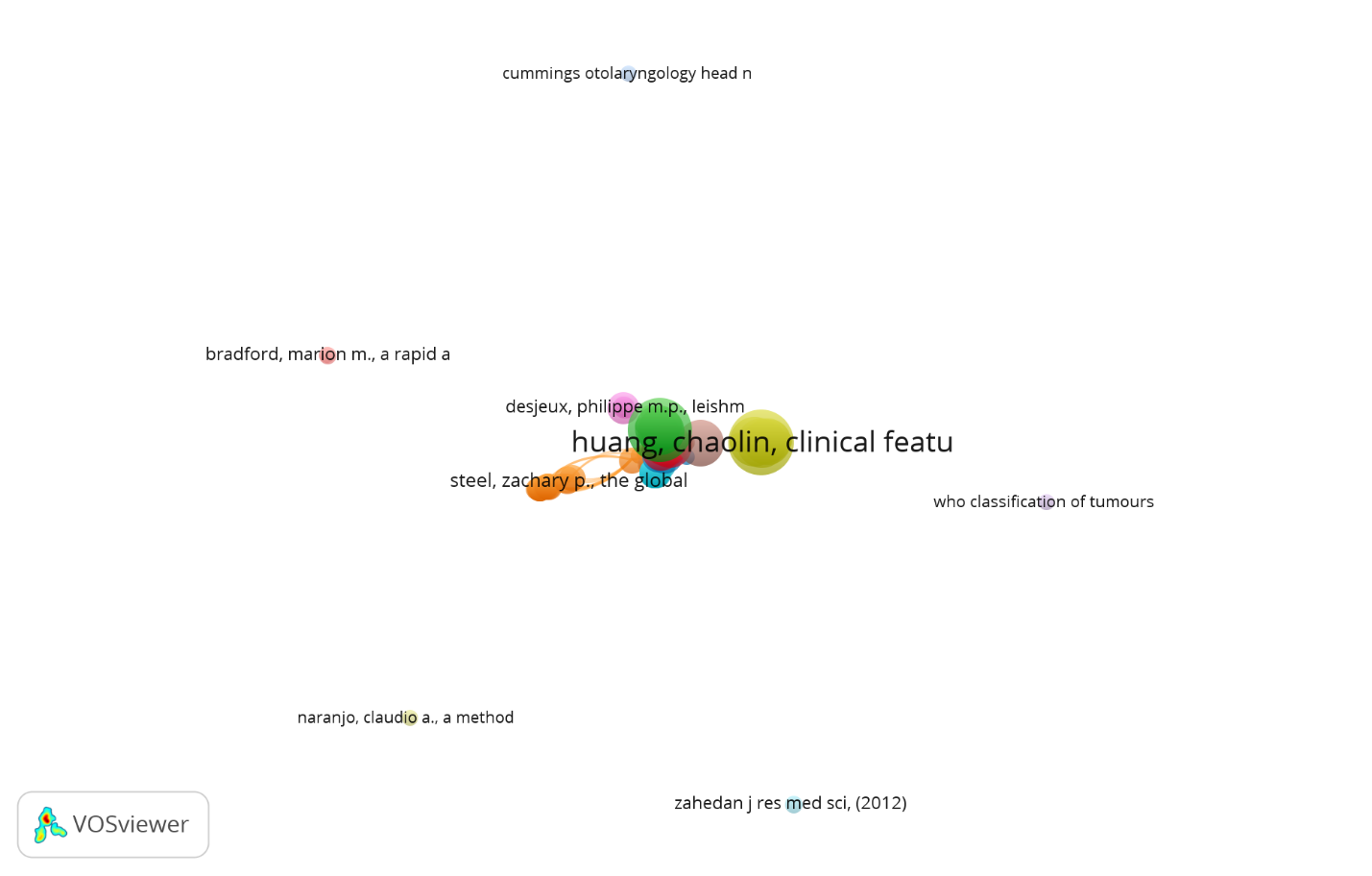
Figure 4. Co-citation of Iran's geriatrics field during 2012-2024
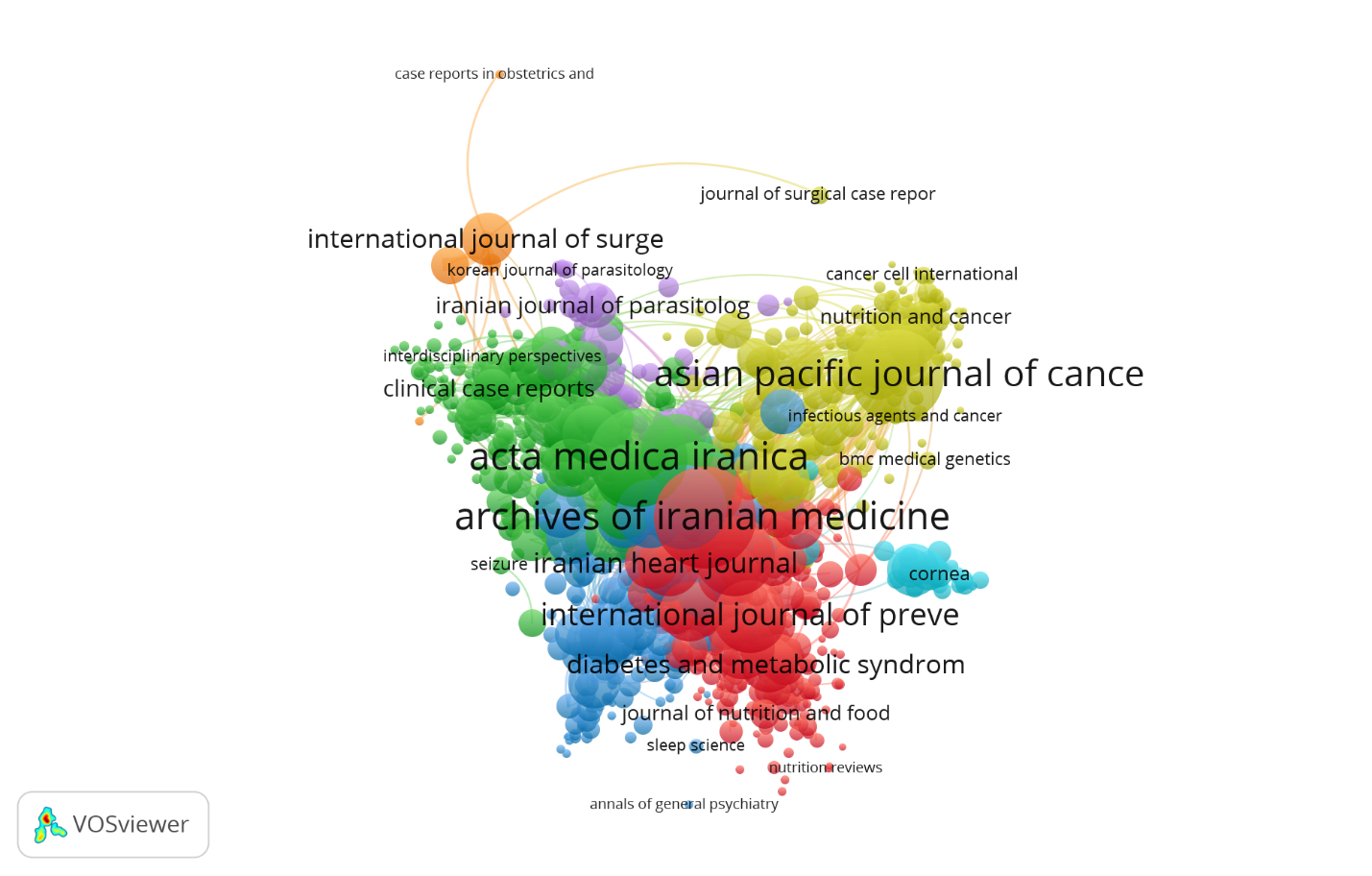
Figure 5. Co-citation map of Journals in the field of geriatrics during 2012-2024
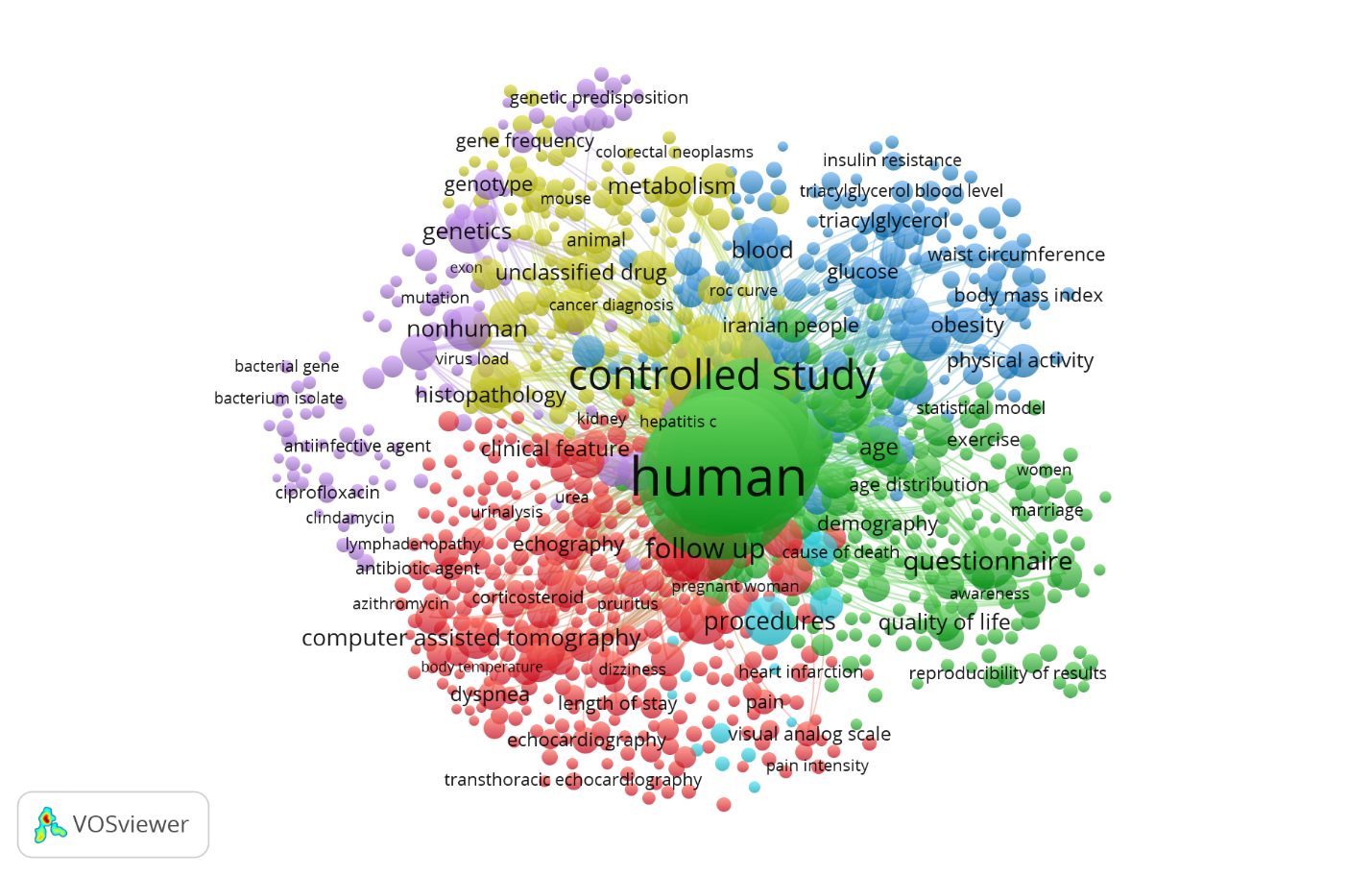
Figure 6. Co-occurrence map of scientific productions in the field of geriatrics during 2012-2024
Discussion
Mitra Zarei 1,2, Majid Khadem-Rezaiyan 1,2*
- Medical Sciences Education Research Center, Mashhad University of Medical Sciences, Mashhad, Iran
- Department of Community Medicine, Faculty of Medicine, Mashhad University of Medical Sciences, Mashhad, Iran
- * Corresponding Author: Medical Sciences Education Research Center, Mashhad University of Medical Sciences, Mashhad, Iran. Tel: +98 518829262, Email address: khademrm@mums.ac.ir
Article history
Received 31 May 2024
Accepted 17 Dec 2025
A B S T R A C T
Received 31 May 2024
Accepted 17 Dec 2025
A B S T R A C T
Introduction: Quantitative evaluation of scientific output across countries and research domains provides critical insights into research trends, identifies knowledge gaps, and facilitates alignment of research efforts with strategic policy objectives. This study employs scientometric analysis to characterize the research landscape of geriatrics in Iran, including temporal trends, dominant research themes, prolific contributors, and influential publication venues.
Methods: This applied scientometric study employed bibliometric analysis and network mapping techniques. The study population comprised all Iranian scientific publications indexed in Scopus in the geriatrics field between 2012 and 2024. Articles were systematically retrieved from the Scopus database using a standardized search strategy, analyzed using VOSviewer software 1.6.2, and visualized through co-authorship and co-occurrence network maps.
Results: A total of 50,496 records were retrieved. Azizi emerged as the most prolific author (n = 614). Larijani demonstrated the strongest collaborative network with 284 co-authorship connections. The Epidemiology Research Center of the University of Tehran was the most productive institution (851 instances; 404 collaborations), followed by the Gastroenterology Research Center of Mazandaran University of Medical Sciences as a key contributor to contemporary geriatrics research. International collaboration analysis revealed that the United States and the United Kingdom were the most frequent research partners with Iranian institutions. PLOS ONE was the highest-impact publication venue for geriatrics research by this cohort, with 8,103 citations.
Conclusion: Research clustering analysis identified priority research themes that have attracted sustained attention within the geriatrics community. Strategic collaboration with high-productivity institutions and international partners may enhance publication visibility and research impact in geriatrics. These findings provide an evidence-based foundation for directing future research priorities and fostering international partnerships in Iranian geriatrics research.
Keywords: Geriatrics, Scientometrics, Bibliometrics, Scientific Visualization, Research Trends
Methods: This applied scientometric study employed bibliometric analysis and network mapping techniques. The study population comprised all Iranian scientific publications indexed in Scopus in the geriatrics field between 2012 and 2024. Articles were systematically retrieved from the Scopus database using a standardized search strategy, analyzed using VOSviewer software 1.6.2, and visualized through co-authorship and co-occurrence network maps.
Results: A total of 50,496 records were retrieved. Azizi emerged as the most prolific author (n = 614). Larijani demonstrated the strongest collaborative network with 284 co-authorship connections. The Epidemiology Research Center of the University of Tehran was the most productive institution (851 instances; 404 collaborations), followed by the Gastroenterology Research Center of Mazandaran University of Medical Sciences as a key contributor to contemporary geriatrics research. International collaboration analysis revealed that the United States and the United Kingdom were the most frequent research partners with Iranian institutions. PLOS ONE was the highest-impact publication venue for geriatrics research by this cohort, with 8,103 citations.
Conclusion: Research clustering analysis identified priority research themes that have attracted sustained attention within the geriatrics community. Strategic collaboration with high-productivity institutions and international partners may enhance publication visibility and research impact in geriatrics. These findings provide an evidence-based foundation for directing future research priorities and fostering international partnerships in Iranian geriatrics research.
Keywords: Geriatrics, Scientometrics, Bibliometrics, Scientific Visualization, Research Trends
Copyright © 2025 The Author(s). This is an open-access article distributed under the terms of the Creative Commons Attribution-Non Commercial 4.0 International License (http://creativecommons.org/licenses/by-nc/4.0/) which permits copy and redistribute the material just in noncommercial usages, provided the original work is properly cite.
Introduction
Old age is characterized by significant physiological, psychological, and social changes, including modifications in family structure and living arrangements, employment transitions and retirement, health status alterations, and shifts in personal identity (1). Population aging represents a global, multidimensional phenomenon with profound and sustained implications for the socio-economic and health systems of all nations.
A systematic review of Iranian geriatrics research reveals limited investigation of aging as an evolving research domain. While research priorities in geriatrics have been articulated on select university websites, institutional research support remains inconsistent. In contrast, international research encompasses comprehensive scientometric analyses of aging-related topics, demonstrating advanced bibliometric methodologies. The mounting socio-economic, health, and cultural consequences of population aging underscore the necessity for enhanced geriatric services and the potential value of international evidence synthesis (2).
Scientometric approaches have been increasingly applied to geriatrics research. Wang et al., conducted a systematic analysis of artificial intelligence applications in geriatrics, identifying 230 publications organized into four thematic clusters: Alzheimer's disease, aged care, technology acceptance, and disease surveillance and management (3). The authors noted that international and institutional collaboration in this area remains limited. Oladinrin et al., performed a bibliometric analysis of aging-in-place research (1970–2021) using Web of Science, revealing a consistent upward publication trend. Major contributions originated from United States-based institutions, with the International Journal of Environmental Research and Public Health as the primary publication venue. Key research domains included older adults, housing, dementia, long-term care, and technology, with identified interconnections within the aging-in-place research network (1).
Silva Neto et al., conducted a scientometric analysis of global geriatrics and gerontology research, identifying research hotspots centered on older adults, professional education and training, and populations aged 80 years and older. Emerging research themes encompassed geriatric assessment, nursing care, clinical procedures, and management protocols for older adults (4). Zhang et al., examined global scientific trends in healthy aging and observed a publication growth rate of 35.68% from 2000 to 2021. The United States dominated in research productivity and citation impact, with the Proceedings of the National Academy of Sciences USA as the most-cited publication venue. The National Institute on Aging and Michele K. Evans emerged as the most influential organization and author, respectively. Research hotspots were identified across three domains: (1) physical activity and mental health in older adults; (2) age-related diseases affecting health and lifespan; and (3) neuroscience. Emerging themes included gut microbiota, loneliness, frailty, mitochondrial function, and resilience (5). Sureshbhai et al., analyzed geriatric health care publications in BRICS countries (1998–September 2021), documenting China's dominance with 51.72% of publications, peak publication volume in 2020, and Huazhong University of Science and Technology as the most productive institution. Li J. was identified as the most prolific author in this region (6). Jiang mapped international geriatric education research, demonstrating overall growth with substantial year-to-year fluctuations, and identified the Journal of the American Geriatrics Society, Gerontologist, and Educational Gerontology as core journals in the field (2).
Although these studies share common findings, apparent contradictions merit further investigation. Scientometrics represents a quantitative methodology for analyzing scientific publications related to specific research domains, encompassing examination of citation trends, key research content, influential authors, and leading journals. The systematic application of scientometric methods has expanded substantially since Eugene Garfield's foundational work in the 1960s establishing the Science Citation Index (7). Multiple approaches facilitate scientometric analysis, including co-authorship analysis, co-citation analysis, and keyword co-occurrence mapping. Co-authorship studies have been employed for diverse purposes: tracing scientific development trajectories within countries, modeling collaborative networks across institutions, strategic research planning (8), and comparing research productivity patterns among investigator groups across geographical regions (9).
This study employs scientometric analysis to characterize the research landscape of geriatrics, identifying principal trends and emergent research directions. Scientific maps illustrate relationships among disciplines and technological domains, enabling researchers to synthesize and organize information into visualizable knowledge networks. These maps reveal the interconnections among disciplinary fields, specialized areas, individual researchers, and collaborative groups through spatial representation and structural positioning. Scientific maps therefore, serve as essential tools for facilitating knowledge transfer and optimizing knowledge visualization strategies. Multiple methodological approaches facilitate scientific mapping, including author co-citation analysis, keyword co-occurrence mapping, journal co-citation analysis, and international collaboration networks, among others. This investigation integrates these diverse methodologies to provide a comprehensive scientometric characterization of the geriatrics research domain.
Methods
Study design and setting
This applied scientometric study employed bibliometric analysis and network visualization methodology. The study population comprised all Iranian scientific publications (articles, reviews, and conference papers) indexed in the Scopus database in the field of geriatrics between January 2012 and February 2024.
Database selection
Bibliometric analysis is constrained by three critical factors: information availability, relevance, and reliability. Database selection is therefore essential to ensure result validity. The comprehensiveness of database coverage within the study domain represents the primary determinant of analysis quality. Accordingly, Scopus was selected as the primary bibliographic source. Scopus is internationally recognized for its comprehensive, multidisciplinary coverage of scientific literature and peer-reviewed journals (7).
Search strategy development
A systematic search strategy was developed in consultation with experts in geriatrics and epidemiology. Terminology in the aging research field has evolved and diversified, with researchers employing multiple terms (e.g., productive aging, healthy aging, active aging) with varying conceptual distinctions (7). Medical Subject Headings (MeSH) and supplementary thesaurus resources, including The Free Dictionary and Merriam-Webster Dictionary, were used to identify relevant terminology and establish keyword equivalences. The search was conducted in the Scopus advanced search interface using the following strategy:
((TITLE-ABS-KEY (aging OR elderly OR old OR aged OR senile OR senescent OR geriatrics OR gerontology OR mature OR retired)) AND (AFFILCOUNTRY (iran)) AND (PUBYEAR > 2011 AND (PUBYEAR < 2024 OR PUBDATETXT ("jan 2024" OR "feb 2024"))) AND (LIMIT-TO (SUBJAREA, "MEDI")))
Data visualization and analysis
Information visualization represents a critical technique for comprehending structural relationships and interconnections among large document collections. VOSviewer is specialized software designed for creating and visualizing bibliometric networks, generating network-based maps, and enabling dynamic exploration of bibliometric data (10). Following record extraction in CSV format, VOSviewer (version 1.6.2) was employed for clustering, analysis, and visualization of the bibliometric data. This software is recognized as a primary analytical tool for citation index databases, enabling the identification of relevant document clusters and relational structures.
Research questions and objectives
The primary objective was to characterize temporal trends in Iranian scientific production in the field of geriatrics from January 2012 through February 2024. Given the prevalence of aging as a global phenomenon, this study addressed the following research question: How has the research literature on aging evolved over this period? Specific research questions included:
A systematic review of Iranian geriatrics research reveals limited investigation of aging as an evolving research domain. While research priorities in geriatrics have been articulated on select university websites, institutional research support remains inconsistent. In contrast, international research encompasses comprehensive scientometric analyses of aging-related topics, demonstrating advanced bibliometric methodologies. The mounting socio-economic, health, and cultural consequences of population aging underscore the necessity for enhanced geriatric services and the potential value of international evidence synthesis (2).
Scientometric approaches have been increasingly applied to geriatrics research. Wang et al., conducted a systematic analysis of artificial intelligence applications in geriatrics, identifying 230 publications organized into four thematic clusters: Alzheimer's disease, aged care, technology acceptance, and disease surveillance and management (3). The authors noted that international and institutional collaboration in this area remains limited. Oladinrin et al., performed a bibliometric analysis of aging-in-place research (1970–2021) using Web of Science, revealing a consistent upward publication trend. Major contributions originated from United States-based institutions, with the International Journal of Environmental Research and Public Health as the primary publication venue. Key research domains included older adults, housing, dementia, long-term care, and technology, with identified interconnections within the aging-in-place research network (1).
Silva Neto et al., conducted a scientometric analysis of global geriatrics and gerontology research, identifying research hotspots centered on older adults, professional education and training, and populations aged 80 years and older. Emerging research themes encompassed geriatric assessment, nursing care, clinical procedures, and management protocols for older adults (4). Zhang et al., examined global scientific trends in healthy aging and observed a publication growth rate of 35.68% from 2000 to 2021. The United States dominated in research productivity and citation impact, with the Proceedings of the National Academy of Sciences USA as the most-cited publication venue. The National Institute on Aging and Michele K. Evans emerged as the most influential organization and author, respectively. Research hotspots were identified across three domains: (1) physical activity and mental health in older adults; (2) age-related diseases affecting health and lifespan; and (3) neuroscience. Emerging themes included gut microbiota, loneliness, frailty, mitochondrial function, and resilience (5). Sureshbhai et al., analyzed geriatric health care publications in BRICS countries (1998–September 2021), documenting China's dominance with 51.72% of publications, peak publication volume in 2020, and Huazhong University of Science and Technology as the most productive institution. Li J. was identified as the most prolific author in this region (6). Jiang mapped international geriatric education research, demonstrating overall growth with substantial year-to-year fluctuations, and identified the Journal of the American Geriatrics Society, Gerontologist, and Educational Gerontology as core journals in the field (2).
Although these studies share common findings, apparent contradictions merit further investigation. Scientometrics represents a quantitative methodology for analyzing scientific publications related to specific research domains, encompassing examination of citation trends, key research content, influential authors, and leading journals. The systematic application of scientometric methods has expanded substantially since Eugene Garfield's foundational work in the 1960s establishing the Science Citation Index (7). Multiple approaches facilitate scientometric analysis, including co-authorship analysis, co-citation analysis, and keyword co-occurrence mapping. Co-authorship studies have been employed for diverse purposes: tracing scientific development trajectories within countries, modeling collaborative networks across institutions, strategic research planning (8), and comparing research productivity patterns among investigator groups across geographical regions (9).
This study employs scientometric analysis to characterize the research landscape of geriatrics, identifying principal trends and emergent research directions. Scientific maps illustrate relationships among disciplines and technological domains, enabling researchers to synthesize and organize information into visualizable knowledge networks. These maps reveal the interconnections among disciplinary fields, specialized areas, individual researchers, and collaborative groups through spatial representation and structural positioning. Scientific maps therefore, serve as essential tools for facilitating knowledge transfer and optimizing knowledge visualization strategies. Multiple methodological approaches facilitate scientific mapping, including author co-citation analysis, keyword co-occurrence mapping, journal co-citation analysis, and international collaboration networks, among others. This investigation integrates these diverse methodologies to provide a comprehensive scientometric characterization of the geriatrics research domain.
Methods
Study design and setting
This applied scientometric study employed bibliometric analysis and network visualization methodology. The study population comprised all Iranian scientific publications (articles, reviews, and conference papers) indexed in the Scopus database in the field of geriatrics between January 2012 and February 2024.
Database selection
Bibliometric analysis is constrained by three critical factors: information availability, relevance, and reliability. Database selection is therefore essential to ensure result validity. The comprehensiveness of database coverage within the study domain represents the primary determinant of analysis quality. Accordingly, Scopus was selected as the primary bibliographic source. Scopus is internationally recognized for its comprehensive, multidisciplinary coverage of scientific literature and peer-reviewed journals (7).
Search strategy development
A systematic search strategy was developed in consultation with experts in geriatrics and epidemiology. Terminology in the aging research field has evolved and diversified, with researchers employing multiple terms (e.g., productive aging, healthy aging, active aging) with varying conceptual distinctions (7). Medical Subject Headings (MeSH) and supplementary thesaurus resources, including The Free Dictionary and Merriam-Webster Dictionary, were used to identify relevant terminology and establish keyword equivalences. The search was conducted in the Scopus advanced search interface using the following strategy:
((TITLE-ABS-KEY (aging OR elderly OR old OR aged OR senile OR senescent OR geriatrics OR gerontology OR mature OR retired)) AND (AFFILCOUNTRY (iran)) AND (PUBYEAR > 2011 AND (PUBYEAR < 2024 OR PUBDATETXT ("jan 2024" OR "feb 2024"))) AND (LIMIT-TO (SUBJAREA, "MEDI")))
Data visualization and analysis
Information visualization represents a critical technique for comprehending structural relationships and interconnections among large document collections. VOSviewer is specialized software designed for creating and visualizing bibliometric networks, generating network-based maps, and enabling dynamic exploration of bibliometric data (10). Following record extraction in CSV format, VOSviewer (version 1.6.2) was employed for clustering, analysis, and visualization of the bibliometric data. This software is recognized as a primary analytical tool for citation index databases, enabling the identification of relevant document clusters and relational structures.
Research questions and objectives
The primary objective was to characterize temporal trends in Iranian scientific production in the field of geriatrics from January 2012 through February 2024. Given the prevalence of aging as a global phenomenon, this study addressed the following research question: How has the research literature on aging evolved over this period? Specific research questions included:
- What are the temporal and thematic trends in geriatric research publications? (Science mapping analysis)
- Which authors and institutions constitute the primary collaborative networks in geriatric research? (Co-authorship network analysis)
- Which publications and sources demonstrate the highest citation frequency and impact within geriatrics research? (Co-citation analysis)
- What are the principal research clusters and emerging themes within geriatric studies? (Keyword co-occurrence analysis)
Data collection procedure
Three major bibliographic databases—PubMed, Scopus, and Web of Science—were identified as the most authoritative sources for aging-related research. Scopus was selected as the primary source due to approximately 90% overlap with Web of Science, ensuring comprehensive coverage while minimizing duplicate records.
Keyword identification involved systematic consultation of established thesaurus resources, including MeSH, The Free Dictionary, and Merriam-Webster Dictionary. This process yielded core terminology and recognized synonyms for geriatric research concepts. The final search term set included: aging, elderly, old, aged, senile, senescent, geriatrics, gerontology, mature, retired, and related variants. These terms were combined to optimize recall while maintaining relevance to the geriatric research domain. Records were cross-checked, and duplicate records were removed.
Ethical considerations
This project was approved by the Ethics Committee of Mashhad University of Medical Sciences (IR.MUMS.MEDICAL.REC.1400.791).
Results
An initial search was conducted using the appendices strategy in Scopus, and 50,496 records were retrieved. The results were output in Excel format and entered into the software. Finally, a separate analysis was performed for each of the research questions.
Scientific map
To answer the first question of the research, three main analyses of word co-occurrence and author co-citation were carried out, which are mentioned separately in the maps and analyses of each. Co-authorship analysis (answer to the second research question) or scientific collaboration is a communication that takes place in a social platform between several scientists, which facilitates doing work and sharing concepts. Co-authorship is an indicator of scientific collaboration that creates a kind of social network between researchers.
Figure 1 is a co-authorship map. Overall, 189,161 authors were identified. To display the map more clearly, as well as the number of authors and retrieved articles, the criteria for displaying the authors were selected as follows: authors with at least 10 articles and at least 10 received citations were determined as the criteria for entering the authors into the map, which includes 1,355 authors. By default, the first 1000 records with the highest link strength among these 1,355 are displayed on the map. Also, the default of the software is such that only articles with up to 25 authors are included in the analysis. Two methods of full counting and fractional counting have been suggested to the authors for counting and scoring in the VOSviewer software. In this research, because it is easier to understand the full counting method, this method, which is also suggested by default by the software, was used. In co-authorship analysis, three units of analysis are defined, which include authors, organizations, and countries.
According to the obtained information, the most scientific productions in this time period and in this field were 591 articles published by Fereidoun Azizi. This author is known with 228 connections in the 7th row of the most connected authors of this map. Akbar Fotouhi is at the top of the list with 366 links and 141 documents in terms of scientific communication with other authors. With 137,726 citations, Mohsen Mardani is the recipient of the most citations in this field.
To perform this part of the analysis, for the sake of clarity, we set the software default to include organizations that had produced at least 10 documents and received at least 10 citations. Thus, out of a total of 9,909 organizations, 1,364 met these conditions and were included. The analysis of the number of documents shows that 294 organizations have produced more than 100 documents, the largest number of documents related to the “Tehran University of Medical Sciences” with 7,931 documents. Also, this organization has the most connections in the production of documents with other organizations, with 21,851 links. This organization is recognized as the most cited center by receiving 122,511 citations. (Figure 2)
The analysis of the co-authorship of geriatrics at the country level showed that out of 200 countries, 102 were displayed on the map based on the software's defaults (i.e., at least 10 documents and at least 10 citations). Of course, Iran was at the top of the list of countries with 5,3807 documents, 733,061 citations, and a link strength of 21,486. Due to the obvious role of Iran in producing science in this field, this node was removed so that the role of other countries could be better observed on the map.
Figure 3 shows 102 countries that had more than 5 writing collaborations with Iranian authors in the production of articles in the field of geriatrics. After Iran, the United States, and the United Kingdom have had the most cooperation in scientific production, with 4,259 and 1,714 articles, respectively. These two countries have the highest amount of scientific communication, with 7,030 and 5,300 links, respectively.
Co-citation
Using co-citation analysis is one of the most common options for drawing a knowledge structure. In citation analysis, it is assumed that more cited articles have had a greater impact on a field compared to less cited articles. If adequate and appropriate data are used in citation analysis, it can help to identify influential journals, authors, and articles. However, citation analysis cannot explain the impact structure in a specific field, and to overcome this weakness, co-citation network analysis can be used to reveal the relationships between authors, journals, keywords, and the like. Co-citation analysis can be performed on documents, authors, and journals.
Three major bibliographic databases—PubMed, Scopus, and Web of Science—were identified as the most authoritative sources for aging-related research. Scopus was selected as the primary source due to approximately 90% overlap with Web of Science, ensuring comprehensive coverage while minimizing duplicate records.
Keyword identification involved systematic consultation of established thesaurus resources, including MeSH, The Free Dictionary, and Merriam-Webster Dictionary. This process yielded core terminology and recognized synonyms for geriatric research concepts. The final search term set included: aging, elderly, old, aged, senile, senescent, geriatrics, gerontology, mature, retired, and related variants. These terms were combined to optimize recall while maintaining relevance to the geriatric research domain. Records were cross-checked, and duplicate records were removed.
Ethical considerations
This project was approved by the Ethics Committee of Mashhad University of Medical Sciences (IR.MUMS.MEDICAL.REC.1400.791).
Results
An initial search was conducted using the appendices strategy in Scopus, and 50,496 records were retrieved. The results were output in Excel format and entered into the software. Finally, a separate analysis was performed for each of the research questions.
Scientific map
To answer the first question of the research, three main analyses of word co-occurrence and author co-citation were carried out, which are mentioned separately in the maps and analyses of each. Co-authorship analysis (answer to the second research question) or scientific collaboration is a communication that takes place in a social platform between several scientists, which facilitates doing work and sharing concepts. Co-authorship is an indicator of scientific collaboration that creates a kind of social network between researchers.
Figure 1 is a co-authorship map. Overall, 189,161 authors were identified. To display the map more clearly, as well as the number of authors and retrieved articles, the criteria for displaying the authors were selected as follows: authors with at least 10 articles and at least 10 received citations were determined as the criteria for entering the authors into the map, which includes 1,355 authors. By default, the first 1000 records with the highest link strength among these 1,355 are displayed on the map. Also, the default of the software is such that only articles with up to 25 authors are included in the analysis. Two methods of full counting and fractional counting have been suggested to the authors for counting and scoring in the VOSviewer software. In this research, because it is easier to understand the full counting method, this method, which is also suggested by default by the software, was used. In co-authorship analysis, three units of analysis are defined, which include authors, organizations, and countries.
According to the obtained information, the most scientific productions in this time period and in this field were 591 articles published by Fereidoun Azizi. This author is known with 228 connections in the 7th row of the most connected authors of this map. Akbar Fotouhi is at the top of the list with 366 links and 141 documents in terms of scientific communication with other authors. With 137,726 citations, Mohsen Mardani is the recipient of the most citations in this field.
To perform this part of the analysis, for the sake of clarity, we set the software default to include organizations that had produced at least 10 documents and received at least 10 citations. Thus, out of a total of 9,909 organizations, 1,364 met these conditions and were included. The analysis of the number of documents shows that 294 organizations have produced more than 100 documents, the largest number of documents related to the “Tehran University of Medical Sciences” with 7,931 documents. Also, this organization has the most connections in the production of documents with other organizations, with 21,851 links. This organization is recognized as the most cited center by receiving 122,511 citations. (Figure 2)
The analysis of the co-authorship of geriatrics at the country level showed that out of 200 countries, 102 were displayed on the map based on the software's defaults (i.e., at least 10 documents and at least 10 citations). Of course, Iran was at the top of the list of countries with 5,3807 documents, 733,061 citations, and a link strength of 21,486. Due to the obvious role of Iran in producing science in this field, this node was removed so that the role of other countries could be better observed on the map.
Figure 3 shows 102 countries that had more than 5 writing collaborations with Iranian authors in the production of articles in the field of geriatrics. After Iran, the United States, and the United Kingdom have had the most cooperation in scientific production, with 4,259 and 1,714 articles, respectively. These two countries have the highest amount of scientific communication, with 7,030 and 5,300 links, respectively.
Co-citation
Using co-citation analysis is one of the most common options for drawing a knowledge structure. In citation analysis, it is assumed that more cited articles have had a greater impact on a field compared to less cited articles. If adequate and appropriate data are used in citation analysis, it can help to identify influential journals, authors, and articles. However, citation analysis cannot explain the impact structure in a specific field, and to overcome this weakness, co-citation network analysis can be used to reveal the relationships between authors, journals, keywords, and the like. Co-citation analysis can be performed on documents, authors, and journals.
Figure 1. Co-authorship map by authors in the field of geriatrics during 2012-2024
Figure 2. Co-authorship map (view of organizations) in Iran's field of geriatrics during 2012-2024
Figure 3. Co-authorship of countries producing science in the field of geriatrics during 2012-2024
For answering the third research question, as shown in Figure 4, out of 368,828 nodes which were identified in the analysis of citations, 418 nodes have at least 20 citations (the default is selected by the software) and were used to draw the graph. Of these 418, only 412 items were connected and formed a network. To draw the co-citation map of journals (Figure 5), out of 3,912 publications, 1,039 publications have more than 10 citations. Among these, 1,000 publications that have the most communication power were selected to draw a map.
The analysis of Figure 5 shows that the Journal of Archives of Iranian Medicine was the most active in the geriatric field with 819 documents, 11,251 citations, and 39,061 links. On the other hand, The Lancet journal has been identified as the most cited journal in this field with 235,360 citations. Besides, the Archives of Iranian Medicine Journal had the strongest relationship, which was 39,061 with other publications on this topic.
Co-occurrence analysis
To extract co-occurrence analysis by year (i.e. the fourth research question), the articles of each year were selected in such a way that the minimum number of occurrences of each keyword is 10. Among the 121,056 keywords in 12 years, 15,299 words were found. For each of these keywords, the total strength of co-occurring links with other keywords is calculated, and the keywords with the highest link strength are selected. In the drawn map, each color represents a cluster, and the size of the spheres shows the magnitude of the relationship that word had with other words. After normalization, 7 clusters were shown. (Figure 6)
As mentioned, the size of the circles in Figure 6 shows the number of keywords used by the authors. On the other hand, the strength of the links has also been checked in the reviewed graphic map. In this way, the thicker the line connecting two words, the more the words are used jointly in the articles.
The analysis of Figure 5 shows that the Journal of Archives of Iranian Medicine was the most active in the geriatric field with 819 documents, 11,251 citations, and 39,061 links. On the other hand, The Lancet journal has been identified as the most cited journal in this field with 235,360 citations. Besides, the Archives of Iranian Medicine Journal had the strongest relationship, which was 39,061 with other publications on this topic.
Co-occurrence analysis
To extract co-occurrence analysis by year (i.e. the fourth research question), the articles of each year were selected in such a way that the minimum number of occurrences of each keyword is 10. Among the 121,056 keywords in 12 years, 15,299 words were found. For each of these keywords, the total strength of co-occurring links with other keywords is calculated, and the keywords with the highest link strength are selected. In the drawn map, each color represents a cluster, and the size of the spheres shows the magnitude of the relationship that word had with other words. After normalization, 7 clusters were shown. (Figure 6)
As mentioned, the size of the circles in Figure 6 shows the number of keywords used by the authors. On the other hand, the strength of the links has also been checked in the reviewed graphic map. In this way, the thicker the line connecting two words, the more the words are used jointly in the articles.
Figure 4. Co-citation of Iran's geriatrics field during 2012-2024
Figure 5. Co-citation map of Journals in the field of geriatrics during 2012-2024
Figure 6. Co-occurrence map of scientific productions in the field of geriatrics during 2012-2024
Discussion
The present study conducted a comprehensive scientometric analysis of geriatrics research in Iran from 2012 to 2024, utilizing data from the Scopus database. The findings reveal several critical insights into the trends, collaborations, and thematic focuses within this field. Below, we discuss these findings in greater detail, comparing them with global trends and identifying areas for future research and policy interventions.
1. Scientific Production and Key Contributors
The analysis identified "Tehran University of Medical Sciences" as the most active institution in geriatrics research, with a substantial number of publications (7,931 documents) and citations (122,511). This dominance suggests that larger, well-funded universities with established research infrastructures play a pivotal role in advancing geriatric science in Iran. Among individual researchers, "Fereidoun Azizi" emerged as the most prolific author, with 591 publications, while "Mohsen Mardani" received the highest number of citations (137,726), indicating his significant influence.
2. International Collaborations
A key strength of Iran’s geriatrics research lies in its "international partnerships", particularly with the USA (4,259 collaborative articles) and the United Kingdom (1,714 articles). These collaborations enhance the visibility and impact of Iranian research, as evidenced by the high citation counts of co-authored papers. However, reliance on a limited number of partner countries may pose risks, especially given geopolitical tensions that could disrupt scientific exchanges. Diversifying collaborations with other high-producing nations (e.g., Germany, Canada, or China) could mitigate this risk and foster knowledge exchange across diverse healthcare systems.
3. Thematic Clusters and Research Hotspots
The co-occurrence analysis identified seven major research clusters, including:
-Age-related diseases (e.g., Alzheimer’s, cardiovascular conditions)
- Geriatric care models (e.g., nursing, rehabilitation)
- Mental health and aging (e.g., depression, cognitive decline)
- Public health and policy (e.g., aging demographics, healthcare access)
These themes align with global research priorities, such as those highlighted by Zhang et al. (5) and Silva Neto et al. (4), who emphasized aging-related diseases, geriatric assessments, and healthy aging. However, some gaps remain in Iran’s research landscape. For example, technological interventions (e.g., AI in elderly care, telemedicine) are underrepresented compared to Western studies. Moreover, social determinants of aging, including cultural, economic, and familial factors unique to Iran’s context, need more attention.
4. Journal Influence and Dissemination
The co-citation analysis highlighted "Archives of Iranian Medicine" and "The Lancet" as the most influential journals in Iran’s geriatrics research. While local journals play a crucial role in disseminating regionally relevant findings, the prominence of high-impact international journals like "The Lancet" underscores the importance of publishing in globally recognized venues to maximize reach and citation potential. Encouraging researchers to target Q1/Q2 journals while also supporting open-access local publications could strike a balance between global visibility and local applicability.
5. Methodological Reflections
This study’s reliance on Scopus data ensures broad coverage but may exclude regional publications not indexed in international databases. Future studies could incorporate Persian-language journals or grey literature to capture a more comprehensive picture. Additionally, while VOSviewer provided robust visualization, alternative tools like CiteSpace could offer deeper temporal or burst-detection analyses.
6. Policy and Practical Implications
The findings suggest several actionable steps for stakeholders:
- Funding agencies: Prioritize grants for under-researched areas (e.g., geriatric technology, social aging).
- Universities: Foster interdisciplinary research hubs linking medicine, social sciences, and engineering.
- Government: Develop national aging strategies informed by scientometric trends, emphasizing preventive care and community-based support.
Conclusion
This study maps the evolution of geriatrics research in Iran, highlighting its strengths (e.g., strong institutional output, international ties) and challenges (e.g., declining publications, thematic gaps). By leveraging collaborations, diversifying research foci, and addressing systemic barriers, Iran can enhance its contributions to global gerontology and improve care for its aging population. Future research should explore longitudinal trends and the impact of policy interventions on scientific productivity.
Study limitations
This study is not without limitations. Although the Scopus database has an acceptable coverage, it may lack some publications.
Conflict of interest
None to be declared
Acknowledgments
We appreciate the support of the Vice Chancellor for Research at Mashhad University of Medical Sciences (grant number: 4001592). Besides, the cooperation of the Medical Sciences Education Research Center is highly appreciated.
Funding
This study was supported by the Vice Chancellor for Research at Mashhad University of Medical Sciences (grant number: 4001592).
Authors’ contribution
Study design: MZ, MKR; Data gathering: MZ, MSH; Data analysis: MZ; Drafting manuscript: MZ, MKR, MSH; Manuscript revision: MZ, MKR; Final approval: MZ, MKR, MSh
References
1. Scientific Production and Key Contributors
The analysis identified "Tehran University of Medical Sciences" as the most active institution in geriatrics research, with a substantial number of publications (7,931 documents) and citations (122,511). This dominance suggests that larger, well-funded universities with established research infrastructures play a pivotal role in advancing geriatric science in Iran. Among individual researchers, "Fereidoun Azizi" emerged as the most prolific author, with 591 publications, while "Mohsen Mardani" received the highest number of citations (137,726), indicating his significant influence.
2. International Collaborations
A key strength of Iran’s geriatrics research lies in its "international partnerships", particularly with the USA (4,259 collaborative articles) and the United Kingdom (1,714 articles). These collaborations enhance the visibility and impact of Iranian research, as evidenced by the high citation counts of co-authored papers. However, reliance on a limited number of partner countries may pose risks, especially given geopolitical tensions that could disrupt scientific exchanges. Diversifying collaborations with other high-producing nations (e.g., Germany, Canada, or China) could mitigate this risk and foster knowledge exchange across diverse healthcare systems.
3. Thematic Clusters and Research Hotspots
The co-occurrence analysis identified seven major research clusters, including:
-Age-related diseases (e.g., Alzheimer’s, cardiovascular conditions)
- Geriatric care models (e.g., nursing, rehabilitation)
- Mental health and aging (e.g., depression, cognitive decline)
- Public health and policy (e.g., aging demographics, healthcare access)
These themes align with global research priorities, such as those highlighted by Zhang et al. (5) and Silva Neto et al. (4), who emphasized aging-related diseases, geriatric assessments, and healthy aging. However, some gaps remain in Iran’s research landscape. For example, technological interventions (e.g., AI in elderly care, telemedicine) are underrepresented compared to Western studies. Moreover, social determinants of aging, including cultural, economic, and familial factors unique to Iran’s context, need more attention.
4. Journal Influence and Dissemination
The co-citation analysis highlighted "Archives of Iranian Medicine" and "The Lancet" as the most influential journals in Iran’s geriatrics research. While local journals play a crucial role in disseminating regionally relevant findings, the prominence of high-impact international journals like "The Lancet" underscores the importance of publishing in globally recognized venues to maximize reach and citation potential. Encouraging researchers to target Q1/Q2 journals while also supporting open-access local publications could strike a balance between global visibility and local applicability.
5. Methodological Reflections
This study’s reliance on Scopus data ensures broad coverage but may exclude regional publications not indexed in international databases. Future studies could incorporate Persian-language journals or grey literature to capture a more comprehensive picture. Additionally, while VOSviewer provided robust visualization, alternative tools like CiteSpace could offer deeper temporal or burst-detection analyses.
6. Policy and Practical Implications
The findings suggest several actionable steps for stakeholders:
- Funding agencies: Prioritize grants for under-researched areas (e.g., geriatric technology, social aging).
- Universities: Foster interdisciplinary research hubs linking medicine, social sciences, and engineering.
- Government: Develop national aging strategies informed by scientometric trends, emphasizing preventive care and community-based support.
Conclusion
This study maps the evolution of geriatrics research in Iran, highlighting its strengths (e.g., strong institutional output, international ties) and challenges (e.g., declining publications, thematic gaps). By leveraging collaborations, diversifying research foci, and addressing systemic barriers, Iran can enhance its contributions to global gerontology and improve care for its aging population. Future research should explore longitudinal trends and the impact of policy interventions on scientific productivity.
Study limitations
This study is not without limitations. Although the Scopus database has an acceptable coverage, it may lack some publications.
Conflict of interest
None to be declared
Acknowledgments
We appreciate the support of the Vice Chancellor for Research at Mashhad University of Medical Sciences (grant number: 4001592). Besides, the cooperation of the Medical Sciences Education Research Center is highly appreciated.
Funding
This study was supported by the Vice Chancellor for Research at Mashhad University of Medical Sciences (grant number: 4001592).
Authors’ contribution
Study design: MZ, MKR; Data gathering: MZ, MSH; Data analysis: MZ; Drafting manuscript: MZ, MKR, MSH; Manuscript revision: MZ, MKR; Final approval: MZ, MKR, MSh
References
- Oladinrin O, Gomis K, Jayantha WM, Obi L, Rana MQ. Scientometric analysis of global scientific literature on aging in place. International Journal of Environmental Research and Public Health. 2021; 18(23): 1-16.
- Mohamadi S, Yazdani Charati J, Mousavi Nasab Sayyed N. Factors affecting Iran’s population aging, 2016. Journal of Mazandaran University of Medical Sciences. 2017; 27 (155): 71-8. [Persian]
- Wang J, Liang Y, Cao S, Cai P, Fan y. Application of artificial intelligence in geriatric care: bibliometric analysis. Journal of Medical Internet Research. 2023; 25: e46014
- Neto LSS, Rosa TdS, Freire MD, Correa HdL, Pedreira RC, Dias FCF, et al. Geriatric and gerontology research: a scientometric investigation of open access journal articles indexed in the Scopus Database. Annals of Geriatric Medicine and Research. 2023; 27(3): 183-91.
- Zhang Y, Gu Z, Xu Y, He M, Gerber BS, Wang Z, et al. Global scientific trends in healthy aging in the early 21st century: A data-driven scientometric and visualized analysis. Heliyon. 2024; 10(1): 23405.
- MG S, H E. Research on geriatric health care in BRICS countries: A scientometric investigation of open access journal articles indexed in Scopus Database. American Journal of Gerontology and Geriatrics. 2021; 4(1): 1-5.
- Ramin S, Soheilian M, Habibi G, Ghazavi R, Gharebaghi R, Heidary F. Age-related macular degeneration: a scientometric analysis. Medical Hypothesis, Discovery & Innovation Ophthalmology Journal. 2015; 4(2): 39-49.
- Morel CM, Serruya SJ, Penna GO, Guimaraes R. Co-authorship network analysis: a powerful tool for strategic planning of research, development and capacity building programs on neglected diseases. PLoS Neglected Tropical Diseases. 2009; 3(8): e501.
- Singh VK, Banshal SK, Singhal K, Uddin A. Scientometric mapping of research on ‘Big Data’. Scientometrics. 2015; 105: 727-41.
- Van Eck NJ, Waltman L. Software survey: VOSviewer, a computer program for bibliometric mapping. scientometrics. 2010; 84(2): 523-38.
- Jiang J, Yang M. Scientometric analysis of geriatrics education. Chinese Journal of Medical Education Research. 2020; 12: 777-82.
Type of Study: Research |
Subject:
General
Received: 2024/05/31 | Accepted: 2025/12/17 | Published: 2025/12/19
Received: 2024/05/31 | Accepted: 2025/12/17 | Published: 2025/12/19
References
1. Oladinrin O, Gomis K, Jayantha WM, Obi L, Rana MQ. Scientometric analysis of global scientific literature on aging in place. International Journal of Environmental Research and Public Health. 2021; 18(23): 1-16.
2. Mohamadi S, Yazdani Charati J, Mousavi Nasab Sayyed N. Factors affecting Iran’s population aging, 2016. Journal of Mazandaran University of Medical Sciences. 2017; 27 (155): 71-8. [Persian]
3. Wang J, Liang Y, Cao S, Cai P, Fan y. Application of artificial intelligence in geriatric care: bibliometric analysis. Journal of Medical Internet Research. 2023; 25: e46014
4. Neto LSS, Rosa TdS, Freire MD, Correa HdL, Pedreira RC, Dias FCF, et al. Geriatric and gerontology research: a scientometric investigation of open access journal articles indexed in the Scopus Database. Annals of Geriatric Medicine and Research. 2023; 27(3): 183-91.
5. Zhang Y, Gu Z, Xu Y, He M, Gerber BS, Wang Z, et al. Global scientific trends in healthy aging in the early 21st century: A data-driven scientometric and visualized analysis. Heliyon. 2024; 10(1): 23405.
6. MG S, H E. Research on geriatric health care in BRICS countries: A scientometric investigation of open access journal articles indexed in Scopus Database. American Journal of Gerontology and Geriatrics. 2021; 4(1): 1-5.
7. Ramin S, Soheilian M, Habibi G, Ghazavi R, Gharebaghi R, Heidary F. Age-related macular degeneration: a scientometric analysis. Medical Hypothesis, Discovery & Innovation Ophthalmology Journal. 2015; 4(2): 39-49.
8. Morel CM, Serruya SJ, Penna GO, Guimaraes R. Co-authorship network analysis: a powerful tool for strategic planning of research, development and capacity building programs on neglected diseases. PLoS Neglected Tropical Diseases. 2009; 3(8): e501.
9. Singh VK, Banshal SK, Singhal K, Uddin A. Scientometric mapping of research on ‘Big Data’. Scientometrics. 2015; 105: 727-41.
10. Van Eck NJ, Waltman L. Software survey: VOSviewer, a computer program for bibliometric mapping. scientometrics. 2010; 84(2): 523-38.
11. Jiang J, Yang M. Scientometric analysis of geriatrics education. Chinese Journal of Medical Education Research. 2020; 12: 777-82.
Send email to the article author
| Rights and permissions | |
 |
This work is licensed under a Creative Commons Attribution-NonCommercial 4.0 International License. |