

Volume 11, Issue 2 (December 2025)
Elderly Health Journal 2025, 11(2): 150-159 |
Back to browse issues page



Download citation:
BibTeX | RIS | EndNote | Medlars | ProCite | Reference Manager | RefWorks
Send citation to:


BibTeX | RIS | EndNote | Medlars | ProCite | Reference Manager | RefWorks
Send citation to:
Atashgahian R, shahbazi M, Rostami R, Arabameri E. Cognitive Style as a Predictor of Health Outcomes in Elderly Women: A Systematic Review. Elderly Health Journal 2025; 11 (2) :150-159
URL: http://ehj.ssu.ac.ir/article-1-372-en.html
URL: http://ehj.ssu.ac.ir/article-1-372-en.html


Department of Behavioral and Cognitive Science in Sports, Faculty of Sports Science and Health, University of Tehran, Tehran, Iran , shahbazimehdi@ut.ac.ir
Full-Text [PDF 470 kb]
(273 Downloads)
| Abstract (HTML) (684 Views)
Full-Text: (187 Views)
Cognitive Style as a Predictor of Health Outcomes in Elderly Women: A Systematic Review
Ramina Atashgahian 1, Mehdi Shahbazi *1 , Reza Rostami 2, Elahe Arabameri 1
* Corresponding Author: Department of Behavioral and Cognitive Science in Sports, Faculty of Sports Science and Health, University of Tehran, Tehran, Iran. Tel: +98 9122096299, Email address: shahbazimehdi@ut.ac.ir
Article history
Received 22 Nov 2025
Accepted 17 Dec 2025
A B S T R A C T
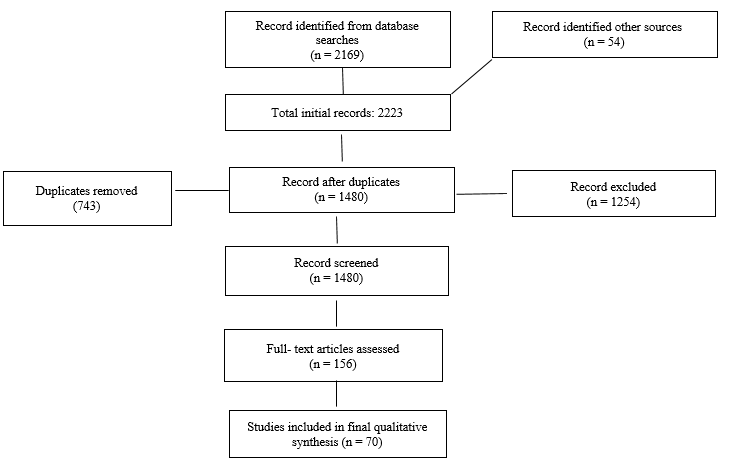
Figure 1. Articles identified during the screening, eligibility, and inclusion stages of the review study on cognitive style in the elderly
Table 1. Summarizing the characteristics of included studies
Ramina Atashgahian 1, Mehdi Shahbazi *1
- Department of Behavioral and Cognitive Science in Sports, Faculty of Sports Science and Health, University of Tehran, Tehran, Iran
- Department of Psychology, Faculty of Educational Science and Psychology, University of Tehran, Tehran, Iran
* Corresponding Author: Department of Behavioral and Cognitive Science in Sports, Faculty of Sports Science and Health, University of Tehran, Tehran, Iran. Tel: +98 9122096299, Email address: shahbazimehdi@ut.ac.ir
Article history
Received 22 Nov 2025
Accepted 17 Dec 2025
A B S T R A C T
Introduction: Aging is generally associated with physiological and psychological changes, and older women often exhibit distinct health trajectories. Cognitive style, which includes distinct patterns of information processing such as optimism and pessimism, is increasingly recognized as a critical determinant of mental and physical health. This systematic review sought to assess the predictive validity of cognitive style on various health outcomes, particularly in the older female population.
Methods: Systematic review approach was employed. Major electronic databases were searched from 2010 to the present using combinations of terms related to “cognitive style,” “optimism,” “pessimism,” “older women,” and “health outcomes”. Eligible studies included longitudinal and analytical designs where cognitive style was assessed as an antecedent variable predicting later health. This study provides a qualitative synthesis of findings and does not include any quantitative statistical pooling, due to methodological heterogeneity across studies.
Results: Across the reviewed literature, optimism consistently predicted healthier psychological and behavioral outcomes among older adults, particularly older women. Higher optimism was associated with lower depressive and anxiety symptoms, greater psychological well-being, enhanced life satisfaction, more adaptive coping strategies, and better sleep quality. Conversely, pessimism was linked to elevated psychological distress and maladaptive coping. Several studies also highlighted the role of contextual factors such as physical activity, social support, and socioeconomic conditions in shaping cognitive styles in later life. Collectively, these findings suggest that optimism may function as a protective psychological resource promoting healthier aging trajectories.
Conclusion: Cognitive style serves as an important and modifiable predictor of health outcomes in older women. The findings strongly suggest that interventions focused on enhancing an optimistic style could be a valuable, non-pharmacological strategy for promoting successful aging in this population group.
Keywords: Cognitive Style, Elderly Women, Optimism, Health Outcomes, Successful Aging
Copyright © 2025 The Author(s). This is an open-access article distributed under the terms of the Creative Commons Attribution-Non Commercial 4.0 International License (http://creativecommons.org/licenses/by-nc/4.0/) which permits copy and redistribute the material just in noncommercial usages, provided the original work is properly cite.
Methods: Systematic review approach was employed. Major electronic databases were searched from 2010 to the present using combinations of terms related to “cognitive style,” “optimism,” “pessimism,” “older women,” and “health outcomes”. Eligible studies included longitudinal and analytical designs where cognitive style was assessed as an antecedent variable predicting later health. This study provides a qualitative synthesis of findings and does not include any quantitative statistical pooling, due to methodological heterogeneity across studies.
Results: Across the reviewed literature, optimism consistently predicted healthier psychological and behavioral outcomes among older adults, particularly older women. Higher optimism was associated with lower depressive and anxiety symptoms, greater psychological well-being, enhanced life satisfaction, more adaptive coping strategies, and better sleep quality. Conversely, pessimism was linked to elevated psychological distress and maladaptive coping. Several studies also highlighted the role of contextual factors such as physical activity, social support, and socioeconomic conditions in shaping cognitive styles in later life. Collectively, these findings suggest that optimism may function as a protective psychological resource promoting healthier aging trajectories.
Conclusion: Cognitive style serves as an important and modifiable predictor of health outcomes in older women. The findings strongly suggest that interventions focused on enhancing an optimistic style could be a valuable, non-pharmacological strategy for promoting successful aging in this population group.
Keywords: Cognitive Style, Elderly Women, Optimism, Health Outcomes, Successful Aging
Copyright © 2025 The Author(s). This is an open-access article distributed under the terms of the Creative Commons Attribution-Non Commercial 4.0 International License (http://creativecommons.org/licenses/by-nc/4.0/) which permits copy and redistribute the material just in noncommercial usages, provided the original work is properly cite.
Introduction
Old age typically beginning between 60 and 65 years constitutes a critical developmental phase within the lifespan perspective (1). The global population is experiencing a rapid shift toward ageing, with the proportion of adults aged 65 years or older expected to rise from 6% in 1990 to 16% by 2050 (2). Healthy ageing, however, encompasses more than the absence of illness; it involves enabling older adults to remain engaged in daily life and actively participate in their communities, regardless of physical limitations. Physiologically, ageing is characterized by a gradual decline in the homeostatic capacity of multiple body systems starting around the fifth decade of life, influenced by genetics, diet, environment, and lifestyle factors (3). In contemporary psychology, positive psychology is defined as the scientific study of optimal human functioning (4). Rather than focusing on deficits, positive psychology highlights strengths, competencies, and human potential, emphasizing the enhancement of quality of life and the development of individuals’ inherent abilities (5). Within this framework, optimism has been extensively examined as a key individual‑difference variable linked to well‑being. Optimism—conceptualized as a generalized tendency to expect favorable outcomes and interpret challenges as manageable—has been associated with better health and social outcomes, more effective coping skills, higher subjective well‑being, improved life satisfaction, positive affect, reduced mortality risk, and greater use of problem‑focused coping (6). By contrast, pessimism is regarded as a distinct cognitive orientation marked by negative expectations and unfavorable interpretations of life circumstances (7). These orientations stem from individuals’ explanatory styles. Optimists typically attribute positive events to internal, stable, and general causes and negative events to external, unstable, and specific ones, whereas pessimists display the opposite attributional pattern (8). These cognitive tendencies shape coping and motivation: optimists are more likely to set goals, plan, and anticipate favorable outcomes, whereas pessimists tend to experience more negative emotions in the face of adversity and rely on avoidance‑based coping strategies (7). Historically, optimism and pessimism were viewed as opposite poles of a single continuum (9), but more recent evidence conceptualizes them as related yet distinct constructs with independent associations with health outcomes (10). For example, Craig et al., reported that pessimism increases the risk of coronary heart disease, whereas optimism appears protective (11). Individual tendencies toward optimism or pessimism may shift depending on circumstances, life events, and psychological functioning (12). Although the present review synthesizes international findings, particular attention is given to regions such as Iran, where socio‑economic disadvantages—including low income, dependency, and barriers to accessing services—are more pronounced. Despite extensive literature on cognitive changes in ageing, a notable gap remains in understanding gender‑specific trajectories in later life. Research focusing exclusively on older women is often fragmented or lacks integration across biological, social, and cultural dimensions. Globally, women live six to eight years longer than men and therefore constitute a larger proportion of the older population; however, they consistently report poorer health status, partly due to more detailed symptom reporting (13). In the Iranian context, older women face disproportionately adverse conditions: lower literacy levels, limited or no income, higher dependency ratios, greater loneliness, higher prevalence of chronic illnesses, and increased rates of institutionalization. Despite elevated health needs, their use of health services is lower, often constrained by financial barriers, insufficient insurance coverage, and a greater reliance on self‑medication. These disparities underscore the need for a targeted evidence synthesis (14). Consequently, this systematic review focuses specifically on older women to address these inequities. Its primary objective is to rigorously evaluate the predictive validity of cognitive style indicators optimism and pessimism—in forecasting subsequent health outcomes among older women.
Methods
Although the links between optimism, pessimism, and health have been widely documented, considerably fewer studies have examined these associations specifically among older adults. A clearer understanding of these relationships can inform the development of interventions aimed at promoting resilience and protecting health in later life. Accordingly, the present review seeks to identify the mediators and moderators shaping the associations between optimism and pessimism in older adults and to synthesize empirical evidence from cross-sectional, longitudinal, and experimental research designs. The systematic search and study selection procedures, including the flow diagram (Figure 1), followed the Preferred Reporting Items for Systematic Reviews and Meta-Analyses (PRISMA) guidelines to ensure transparent and comprehensive reporting. A descriptive qualitative appraisal was undertaken to assess the methodological quality of the included studies. Each study was evaluated with respect to the clarity of its objectives, adequacy of sample size, transparency of methodological procedures, validity of measures assessing cognitive style, control of potential confounding variables, and appropriateness of the analytic approach. Two reviewers performed the appraisal independently, resolving disagreements through discussion. Owing to substantial methodological heterogeneity across studies, the findings are synthesized narratively without statistical pooling.
Search procedure
We aimed to identify studies that (a) targeted an elderly population, (b) measured optimism and/or pessimism as predictors, and (c) assessed health behaviors as outcomes. A systematic search for relevant literature was conducted across multiple electronic databases up to December 2025. The search strategy employed a combination of keywords related to cognitive styles, health outcomes, and the study population.
A comprehensive search was conducted across international databases (ScienceDirect, Scopus, PubMed), national databases (Magiran, Irandoc), and a general academic search engine (Google Scholar). The qualitative appraisal indicated that most studies demonstrated moderate‑to‑good methodological quality, with generally clear reporting of aims, procedures, and cognitive‑style measures. However, several studies showed limitations such as small sample sizes, limited control of confounders, or incomplete reporting of contextual variables. These considerations were taken into account when interpreting the synthesized findings
The primary search strings utilized combinations of the following keywords: optimistic cognitive style, pessimistic cognitive style, aging, anxiety, sports activity, quality of life, and general health. This review is strictly defined as an Analytical Review based on the scope and nature of the evidence synthesis performed. The systematic search strategy covered literature published between January 2010 and November 21, 2025. The 2010 starting point was selected to focus on studies that utilized contemporary and validated psychometric standards for the assessment of cognitive style, thereby ensuring greater homogeneity across the included evidence base.
This revision ensures full transparency regarding the sources utilized in our Analytical Review and aligns terminology throughout the manuscript. The study selection process followed the PRISMA 2020 guidelines and consisted of four stages: identification, screening, eligibility assessment, and final inclusion. After removing duplicate records, titles and abstracts were screened to exclude studies that were clearly irrelevant to the research question. Articles were removed during this stage primarily because they did not focus on optimism or pessimism, did not include older adults, or did not assess psychological or health‑related outcomes. Full texts of the remaining articles were then evaluated for eligibility. At this stage, studies were excluded for the following reasons: 1. not meeting the predefined inclusion criteria (for example, wrong population, wrong exposure, or wrong outcome. 2. lacking an empirical design or not providing original quantitative or qualitative data. 3. absence of validated measures of optimism, pessimism, or explanatory style. 4. failure to report sufficient methodological details to allow evaluation of study quality 5. being review papers, conference abstracts, editorials, or non‑peer‑reviewed materials. After applying these criteria, a total of 70 studies met all inclusion requirements and were included in the final synthesis. (Figure 1)
Results
Overall, the narrative quality appraisal indicated that most of the included studies demonstrated moderate to good methodological quality. In general,
studies clearly reported their aims, participant characteristics, and the procedures used to assess optimism and pessimism. Several studies adequately addressed potential confounding variables and used validated self-report instruments. However, some limitations were evident across the evidence base: small sample sizes, incomplete reporting of covariates, and restricted generalizability due to homogeneous samples in certain studies. Because no standardized appraisal tool was employed and no statistical pooling was conducted, the quality assessment was descriptive rather than quantitative. Despite these limitations, the overall methodological rigor of the included studies was considered acceptable for synthesis.
Findings categorized by health outcome domains
1. Mental health outcomes
Across multiple studies, higher optimism consistently predicted more favorable psychological functioning in older women. Ryu et al., found that optimism buffered the detrimental effects of perceived stress on depressive symptoms (15). Similarly, Colby and Shifren reported that optimism was associated with lower levels of anxiety and depression, as well as greater psychological well‑being (16). Hanssen et al., further demonstrated that motivational coping strategies were positively related to both optimism and overall well‑being (6). These findings align with the broader evidence synthesized by Carver et al., which highlights the role of optimism in reducing emotional distress and promoting adaptive psychological functioning (7).
2. Sleep‑related outcomes
A consistent pattern also emerged in sleep research. Longitudinal analyses from Monroe et al., (17) and Lau et al., showed a bidirectional relationship: optimism predicted improvements in sleep quality over time, while better sleep subsequently enhanced levels of optimism (17). Martínez‑Moreno et al., documented similar associations, emphasizing the contribution of sleep health to successful aging (18).
3. Physical health outcomes
Evidence relating to physical health outcomes underscored the protective effects of optimism. Kim et al., demonstrated that higher optimism significantly reduced the likelihood of stroke, even after controlling for demographic and biomedical variables (19). Barnett and Anderson reported that optimistic older women had better self‑rated health and fewer chronic medical conditions (20). Complementing these findings, Ruthig et al., found that both optimism and realistic expectations were associated with fewer physical symptoms and more favorable health profiles (21)..
Methods
Although the links between optimism, pessimism, and health have been widely documented, considerably fewer studies have examined these associations specifically among older adults. A clearer understanding of these relationships can inform the development of interventions aimed at promoting resilience and protecting health in later life. Accordingly, the present review seeks to identify the mediators and moderators shaping the associations between optimism and pessimism in older adults and to synthesize empirical evidence from cross-sectional, longitudinal, and experimental research designs. The systematic search and study selection procedures, including the flow diagram (Figure 1), followed the Preferred Reporting Items for Systematic Reviews and Meta-Analyses (PRISMA) guidelines to ensure transparent and comprehensive reporting. A descriptive qualitative appraisal was undertaken to assess the methodological quality of the included studies. Each study was evaluated with respect to the clarity of its objectives, adequacy of sample size, transparency of methodological procedures, validity of measures assessing cognitive style, control of potential confounding variables, and appropriateness of the analytic approach. Two reviewers performed the appraisal independently, resolving disagreements through discussion. Owing to substantial methodological heterogeneity across studies, the findings are synthesized narratively without statistical pooling.
Search procedure
We aimed to identify studies that (a) targeted an elderly population, (b) measured optimism and/or pessimism as predictors, and (c) assessed health behaviors as outcomes. A systematic search for relevant literature was conducted across multiple electronic databases up to December 2025. The search strategy employed a combination of keywords related to cognitive styles, health outcomes, and the study population.
A comprehensive search was conducted across international databases (ScienceDirect, Scopus, PubMed), national databases (Magiran, Irandoc), and a general academic search engine (Google Scholar). The qualitative appraisal indicated that most studies demonstrated moderate‑to‑good methodological quality, with generally clear reporting of aims, procedures, and cognitive‑style measures. However, several studies showed limitations such as small sample sizes, limited control of confounders, or incomplete reporting of contextual variables. These considerations were taken into account when interpreting the synthesized findings
The primary search strings utilized combinations of the following keywords: optimistic cognitive style, pessimistic cognitive style, aging, anxiety, sports activity, quality of life, and general health. This review is strictly defined as an Analytical Review based on the scope and nature of the evidence synthesis performed. The systematic search strategy covered literature published between January 2010 and November 21, 2025. The 2010 starting point was selected to focus on studies that utilized contemporary and validated psychometric standards for the assessment of cognitive style, thereby ensuring greater homogeneity across the included evidence base.
This revision ensures full transparency regarding the sources utilized in our Analytical Review and aligns terminology throughout the manuscript. The study selection process followed the PRISMA 2020 guidelines and consisted of four stages: identification, screening, eligibility assessment, and final inclusion. After removing duplicate records, titles and abstracts were screened to exclude studies that were clearly irrelevant to the research question. Articles were removed during this stage primarily because they did not focus on optimism or pessimism, did not include older adults, or did not assess psychological or health‑related outcomes. Full texts of the remaining articles were then evaluated for eligibility. At this stage, studies were excluded for the following reasons: 1. not meeting the predefined inclusion criteria (for example, wrong population, wrong exposure, or wrong outcome. 2. lacking an empirical design or not providing original quantitative or qualitative data. 3. absence of validated measures of optimism, pessimism, or explanatory style. 4. failure to report sufficient methodological details to allow evaluation of study quality 5. being review papers, conference abstracts, editorials, or non‑peer‑reviewed materials. After applying these criteria, a total of 70 studies met all inclusion requirements and were included in the final synthesis. (Figure 1)
Results
Overall, the narrative quality appraisal indicated that most of the included studies demonstrated moderate to good methodological quality. In general,
studies clearly reported their aims, participant characteristics, and the procedures used to assess optimism and pessimism. Several studies adequately addressed potential confounding variables and used validated self-report instruments. However, some limitations were evident across the evidence base: small sample sizes, incomplete reporting of covariates, and restricted generalizability due to homogeneous samples in certain studies. Because no standardized appraisal tool was employed and no statistical pooling was conducted, the quality assessment was descriptive rather than quantitative. Despite these limitations, the overall methodological rigor of the included studies was considered acceptable for synthesis.
Findings categorized by health outcome domains
1. Mental health outcomes
Across multiple studies, higher optimism consistently predicted more favorable psychological functioning in older women. Ryu et al., found that optimism buffered the detrimental effects of perceived stress on depressive symptoms (15). Similarly, Colby and Shifren reported that optimism was associated with lower levels of anxiety and depression, as well as greater psychological well‑being (16). Hanssen et al., further demonstrated that motivational coping strategies were positively related to both optimism and overall well‑being (6). These findings align with the broader evidence synthesized by Carver et al., which highlights the role of optimism in reducing emotional distress and promoting adaptive psychological functioning (7).
2. Sleep‑related outcomes
A consistent pattern also emerged in sleep research. Longitudinal analyses from Monroe et al., (17) and Lau et al., showed a bidirectional relationship: optimism predicted improvements in sleep quality over time, while better sleep subsequently enhanced levels of optimism (17). Martínez‑Moreno et al., documented similar associations, emphasizing the contribution of sleep health to successful aging (18).
3. Physical health outcomes
Evidence relating to physical health outcomes underscored the protective effects of optimism. Kim et al., demonstrated that higher optimism significantly reduced the likelihood of stroke, even after controlling for demographic and biomedical variables (19). Barnett and Anderson reported that optimistic older women had better self‑rated health and fewer chronic medical conditions (20). Complementing these findings, Ruthig et al., found that both optimism and realistic expectations were associated with fewer physical symptoms and more favorable health profiles (21).
Figure 1. Articles identified during the screening, eligibility, and inclusion stages of the review study on cognitive style in the elderly
Table 1. Summarizing the characteristics of included studies
| Citation (Author/Year) | Study design | Country | Sample size | Optimism tool | Main outcome | Main finding summary |
| Martínez-Moreno A et al., (2020) (18) | Cross-sectional | Spain | 381 | LOT-R | Relationship between optimism and sleep quality in older adults. | Optimism is associated with well-being |
| Ryu RH et al., (2023) (15) | Cross-sectional | South Korea | 1234 | LOT-R | The role of optimism in buffering the effect of perceived stress on depressive symptoms over time. | Optimism significantly mitigated the increase in depressive symptoms following high perceived stress. |
| Paat YF, et al., (2024) (23) | Bio-Psycho-Social Approach | United States | 3361 | LOT-R | Relationship between bio-psycho-social factors, optimism/pessimism, and stress response. | Key bio-psycho-social factors identified as influencing optimistic/pessimistic reactions to stress among U.S. adults. |
| Puig-Perez S et al., (2015) (22) |
Cross-sectional/Correlational (Likely) | Spain | 213 | LOT-R | Relationship between optimism/pessimism and specific physiological stress markers (e.g., cortisol, heart rate variability). | Optimism and pessimism are related to different components of the stress response (such as hormonal or cardiovascular response |
| Carver, Scheier & Segerstrom (2010) (7) |
Review Article | USA | review study | LOT-R | Summary of evidence linking dispositional optimism to health outcomes and coping mechanisms. | review on optimism, its measurement, and the biological/behavioral mechanisms through which it impacts health outcomes. |
| Ruthig JC, et al., (2011) (21) | Cross-sectional | Canada | 232 | LOT-R | Relationship between optimism, pessimism, realism, psychosocial factors (e.g., social support), and health status/symptoms. | Realism (the ability to accurately estimate future health) was a significant predictor of health status, independent of optimism and pessimism. |
| Monroe AD, et al., (2024) (17) | Longitudinal | USA | 412 | LOT-R | Bidirectional relationship between dispositional optimism and sleep quality/duration over time. | Sleep quality significantly predicted subsequent levels of optimism, and optimism also influenced later sleep quality, indicating a reciprocal relationship in aging women |
| Barnett & Anderson (2020) (20) | Cross-sectional | USA | 482 | LOT-R | Relationship between optimism/pessimism and various indicators of health (e.g., self-rated health, number of chronic conditions). | Optimism was significantly associated with better self-rated health, while pessimism was linked to poorer health outcomes, even after controlling for demographic factors. |
| Colby & Shifren (2013) (16) |
Cross-sectional | USA | 167 | LOT-R | Relationship between optimism and quality of life (QOL) and mental health (e.g., depression, anxiety) in breast cancer survivors/patients. | Optimism was a significant positive predictor of overall QOL and was inversely related to psychological distress (depression/anxiety) among breast cancer patients. |
| Amirbagloie Daryani M, et al., (2021) (1) |
Correlational | Tehran | 150 | anxiety questionnaire guilt inventory and Anxiety Inventory |
Relationship between Anxiety and Existential Concerns | existential concerns (meaninglessness, sense of responsibility, loneliness and death anxiety) were positively and significantly related to anxiety. |
| Hanssen MM, et al., (2015) (6) | Descriptive statistics and Pearson correlation | Netherlands | 254 | LOT-R Dutch translation of the flexible goal adjustment and tenacious goal pursuit |
Relationship between coping and well-being | Motivational coping is directly related to optimism and well-being. |
| Wojcieszek A, et al., (2023) (12) | Cross-sectional | Poland | 130 | LOT-R (Life Orientation Test–Revised) | Quality of life (QoL), self-efficacy, pain intensity, functional limitations | Higher optimism was associated with better quality of life, greater self‑efficacy, and lower pain in older adults with knee osteoarthritis. Self‑efficacy partially explained how optimism improved quality of life. |
| Renaud J, et al., (2019) (27) | Longitudinal | USA | 218 | self-report measures | Developmental origins of dispositional optimism, attachment security, internal locus of control, and psychological well-being. | Maternal attachment security in childhood promotes dispositional optimism in adolescence via internal locus of control, which in turn enhances psychological well-being in early adulthood |
| Pavey TG, et al., (2015) (25) | Prospective Longitudinal Study | Australia | 9688 | Self-report surveys | Prospective associations between physical activity (PA) and optimism. | Physical activity promotes optimism in young and mid-aged women over time, even considering other psychosocial factors. |
| Craig H et al., (2023) (24) | Cross-sectional study | Australia | 10,146 | LOT-R | Socioeconomic, behavioural, and social health factors correlated with optimism and pessimism. | Higher education, greater physical activity, lower loneliness, and volunteering were associated with higher optimism and lower pessimism. Women were more optimistic and less pessimistic than men. Gender differences were observed in the associations of age, smoking, and alcohol with optimism/pessimism |
| Durbin KA et al., (2019) (33) | Cross-sectional study | USA | 577 | Future-imagining tasks (writing and word-rating) | Age differences in future optimism when projecting to the same age | Younger adults were more optimistic about their near future (15 years) than older adults. However, both age groups showed similar optimism when projecting to the exact same older age (85 years). |
| Kim ES, et al., (2011) (19) | Prospective cohort study | USA | 6,044 | LOT-R | Incident stroke over follow‑up | Higher dispositional optimism significantly predicted lower risk of stroke in older adults, even after adjusting for demographics, health behaviors, and biological risk factors. |
| Fortier MS, et al., (2022) (26) | Cross-sectional study | Canada | 300 | LOT-R | Links between optimism, physical activity, and happiness. | Optimism and physical activity each predicted higher happiness, and optimism partly explained why more active people are happier. |
| Lau EYY et al., (2017) (34) | Longitudinal study | China (Hong Kong) | 180 | LOT-R | Bidirectional relationship between sleep and optimism. | Better sleep predicted higher optimism over time, and higher optimism also predicted better subsequent sleep; stress and negative affect acted as mediators/moderators |
| Chopik WJ et al., (2020) (28) | Longitudinal | USA | 74,886 | derived from large panel study data | Changes in optimism and pessimism across the lifespan and in response to life events. | Optimism generally increased in young adulthood, plateaued in midlife, and decreased in older adulthood in American and Dutch samples; associations with life events were inconsistent |
4. Physiological stress responses
Research examining biological markers revealed distinct physiological pathways linked to optimism and pessimism. In the study by Puig‑Perez et al., these traits were associated with different patterns of cortisol release and heart‑rate variability, indicating differentiated stress‑response profiles (22). Supporting this evidence, Paat et al., reported that biopsychosocial factors shape individual variability in stress regulation among more optimistic versus pessimistic individuals (23).
5. Quality of life and well‑being
Several studies identified optimism as a key determinant of quality of life in older women. Wojcieszek et al., showed that higher optimism was associated with greater self‑efficacy, enhanced well‑being, and reduced limitations related to pain (12). Colby and Shifren similarly found that optimism was a substantial predictor of better overall quality of life and psychological resilience (16).
6. Mortality and death anxiety
Craig et al., observed that optimism was linked to lower levels of death anxiety, whereas pessimism predicted increased concerns about mortality (11). Consistent with these findings, Carver et al., reported that optimism may contribute to reduced long‑term mortality risk, underscoring its relevance to successful aging (7).
7. Socio‑behavioral and lifestyle factors
Large-scale evidence highlights the connection between optimism and beneficial socio‑behavioral patterns. In a study of more than 10,000 older adults, Craig et al., found that higher education, increased physical activity, greater involvement in volunteering, and lower loneliness were associated with higher optimism (24). Likewise, Pavey et al., showed that regular physical activity prospectively predicted increased optimism in women (25). Fortier et al., further emphasized that optimism and physical activity operate synergistically to enhance happiness, with social functioning and perceived health serving as mediators (26).
8. Developmental and psychosocial antecedents
Finally, developmental evidence from Renaud et al., pointed to the psychosocial origins of optimism. Secure childhood attachment and a stronger internal locus of control predicted increased optimism during adolescence, which subsequently contributed to improved psychological well‑being in early adulthood (27).
Discussion
This systematic review examined the predictive role of cognitive styles—specifically dispositional optimism and pessimism in shaping health‑related outcomes among older women. The overall methodological quality of the included studies was acceptable; however, certain limitations, such as small sample sizes and incomplete reporting of key variables, may constrain the generalizability of the findings. As outlined in the introduction, aging is accompanied by reduced regulatory resources, increased psychosocial and physiological vulnerability, and persistent gender‑based inequities. These disparities are especially pronounced in contexts such as Iran, where older women face elevated levels of poverty, financial dependency, restricted access to healthcare, social isolation, and a disproportionately high burden of chronic illness. Within such conditions, identifying cognitive and motivational factors—including optimism and pessimism—is crucial for understanding health trajectories and for informing the design of targeted interventions (13). Across the 12 included studies, findings consistently demonstrated that optimism was associated with a wide range of positive psychological, behavioral, and health outcomes, whereas pessimism showed a stable pattern of association with negative outcomes. Importantly, the direction of these relationships—positive for optimism and negative for pessimism—remained consistent across all studies, highlighting the robustness of these cognitive constructs in later life. For instance, Ryu et al., found that optimism buffered the impact of perceived stress on depressive symptoms, a result that aligns with theoretical frameworks discussed earlier, including self‑regulation theory and explanatory style models (15). Longitudinal evidence from Monroe et al., further demonstrated a bidirectional relationship between sleep quality and optimism in aging women, consistent with known physiological, emotional, and cognitive changes associated with older adulthood (17). Studies examining physiological mechanisms produced similar patterns. Puig‑Perez et al., showed that optimism and pessimism were linked to distinct components of stress reactivity, including heart‑rate dynamics, cortisol recovery, and emotional arousal (22). These findings are consistent with neurobiological evidence discussed in the introduction, particularly hemispheric asymmetry and the association between optimism and left‑hemisphere activation. Additionally, Hanssen et al., reported that motivational coping strategies were directly related to optimism and well‑being, supporting extensive literature positioning cognitive style as central to adaptive coping, goal pursuit, and emotional resilience (6).
The association between optimism and broader indicators of health and quality of life was also supported across several studies. Barnett and Anderson and Colby and Shifren found that optimism predicted better self‑rated health, fewer chronic conditions, and higher quality of life, whereas pessimism was linked to poorer psychological adjustment (20, 16). Martínez‑Moreno et al., and Monroe et al., further confirmed the positive association between optimism and sleep quality, consistent with the gender‑specific vulnerabilities described in the introduction—particularly the heightened psychological and physiological burden experienced by older women (17, 18).
Despite the overall coherence of the findings, the magnitude of associations varied across studies. These discrepancies likely stem from methodological heterogeneity, including variation in measurement tools (e.g., LOT‑R vs. multidimensional scales), sample characteristics (clinical vs. community samples), cultural settings (Iran, Spain, Korea, Canada, the United States), and study designs (cross‑sectional vs. longitudinal). Longitudinal studies tended to identify stronger or more dynamic associations, whereas cross‑sectional studies often found moderate or weaker correlations. This pattern suggests that optimism and pessimism are not merely static traits but dynamic cognitive styles shaped by temporal changes and interactions with sociocultural and biological factors (28). These results hold particular significance for older women, especially in Iran. Due to greater longevity, increased disease burden, higher rates of social isolation, and reduced access to healthcare, older women experience disproportionate psychosocial risk exposure. In this context, optimism may function as a protective factor, while pessimism may amplify the adverse effects of structural stressors. This interpretation aligns with findings by Amirbagloei Daryani et al.,, who reported strong positive associations between existential concerns and anxiety, highlighting how negative cognitive interpretations can heighten emotional vulnerability (1). Overall, the evidence synthesized in this review supports the conclusion that optimism serves as a key psychological resource promoting better physical and mental health in later life, whereas pessimism acts as a risk factor that exacerbates aging‑related challenges. Given the sociocultural and economic disadvantages faced by older women, interventions aimed at strengthening optimistic cognitive styles and modifying maladaptive explanatory patterns may offer meaningful benefits.
Cognitive style also plays a crucial role in identifying psychological vulnerability and explaining anxiety and affective disorders. Accurate awareness of one’s own emotional states—as well as those of others—can meaningfully influence interpersonal functioning. Research indicates that an optimistic attributional style can be an important factor in treatment and in reducing relapse risk for psychological disorders. Conversely, pessimism has been associated with increased risk of coronary artery disease, while optimism has been linked to lower likelihood of chronic conditions (11).
Physical activity represents an effective non‑pharmacological approach for preserving cognitive functioning, and evidence shows that it exerts positive effects on overall cognition in older adults (29). When physical activity is experienced as enjoyable, individuals tend to appraise their abilities more favorably and develop a more optimistic attitude toward the activity itself (30). Individual differences in optimism have been directly and indirectly linked to psychological and social risk factors. Optimism has been associated with multiple psychological benefits, including lower anxiety, greater well‑being, higher life satisfaction, positive affect, reduced depressive symptoms, and more active problem‑focused coping. In contrast, pessimism is linked to negative affect, psychological distress, denial‑ and avoidance‑based coping, heightened attention to negative emotions, and more severe depressive symptoms (31). Health‑promotion strategies at the individual level (e.g., regular physical activity), provider level (e.g., social prescribing or improving equitable access to care), and community level (e.g., low‑cost social programs for older adults) may foster optimism and reduce pessimism, thereby contributing to healthier aging (32). For factors such as physical activity, social support, and socioeconomic status to effectively shape cognitive styles in older adults, a clear understanding of their current living conditions is essential. As cognitive style shifts across the lifespan—and optimism tends to decline with age—policy development in this area appears increasingly necessary. The evidence synthesized in this review demonstrates that optimism meaningfully enhances life satisfaction and well‑being among older adults. Optimistic individuals generally hold more positive attitudes toward society and life events, enabling them to view challenges as manageable and to adapt more effectively. Future research should employ more representative samples, longitudinal designs, and standardized measurement instruments to clarify causal pathways and identify culturally specific variations. Additionally, evaluating interventions aimed at enhancing optimism and reducing pessimism—particularly among older women with limited education, income, and access to healthcare—may provide critical evidence for the development of psychologically informed health policies and programs.
Conclusion
The policy recommendations presented in this review are grounded in the consistent patterns identified across the included studies. Evidence from the 12 reviewed articles showed that optimism is associated with better psychological well‑being, lower depressive and anxiety symptoms, better sleep quality, healthier coping strategies, and improved overall health status among older adults—particularly older women. These findings suggest that interventions capable of enhancing optimism or reducing pessimism may contribute meaningfully to healthier aging trajectories. Therefore, policies that expand access to regular physical activity, strengthen social support systems, and improve the availability and quality of community‑based health services align directly with the psychological and behavioral mechanisms identified in this review. While the present study did not calculate pooled effect sizes through meta‑analysis, the convergence of findings across diverse populations and contexts provides a strong qualitative justification for prioritizing these interventions for older women. Increasing the availability of recreational and sports centers for older adults, expanding access to comprehensive health services for this population, and providing government economic support can meaningfully contribute to improving the well‑being of older adults.
Study limitations
In addition, variations in age ranges, health status, and sociocultural contexts among elderly women across studies may limit the generalizability of the findings to all older female populations.
Conflict of interests
The authors declare that they have no competing interests.
Acknowledgements
The authors thank all researchers whose work contributed to this review and the reviewers for their helpful comments.
Funding
This research received no specific grant from any funding agency in the public, commercial, or not‑for‑profit sectors.
Authors’ contributions
Study concept and design: M.SH., R. A., R. R., and E. A.; Analysis and interpretation of data: M. SH.; Drafting of the manuscript: M.SH., and R. A. Critical revision of the manuscript for important intellectual content: M.SH., R. A., and E. A.
References
1. Amirbagloie Daryani M, Khatoon Marashi M. Feeling guilty and anxiety in the elderly: The role of existential concerns. Aging Psychology. 2021; 7.1: 41-29. [Persian]
2. Zhao P, Xie J. Aging: a global challenge. In: Population aging and age-friendly transport in China. Singapore: Springer Nature Singapore; 2023. p. 25-41.
3. World Health Organization. Self-care [Internet]. Geneva: World Health Organization; 2016 [cited 2015 Mar 12]. Available from: https://www.who.int
4. Avia MD, Vázquez C. Optimismo inteligente. Madrid: Alianza Editorial; 2011.
5. Seligman MEP. Flourish: A visionary new understanding of happiness and well-being. New York: Simon & Schuster; 2011.
6. Hanssen MM, Vancleef LMG, Vlaeyen JWS, Hayes AF, Schouten EGW, Peters ML. Optimism, motivational coping and well-being: evidence supporting the importance of flexible goal adjustment. Journal of Happiness Studies. 2015; 16(6): 1525–37.
7. Carver CS, Scheier MF, Segerstrom SC. Optimism. Clinical Psychology Review. 2010; 30(7): 879–89.
8. Hewitt AK, Foxcroft DR, MacDonald J. Multitrait–multimethod confirmatory factor analysis of the attributional style questionnaire. Personality and Individual Differences. 2004; 37(7): 1483–91.
9. Scheier MF, Swanson JD, Barlow MA, Greenhouse JB, Wrosch C, Tindle HA. Optimism versus pessimism as predictors of physical health: a comprehensive reanalysis of dispositional optimism research. American Psychologist. 2021; 76(3): 529-48.
10. Shiner RL, Soto CJ, De Fruyt F. Personality assessment of children and adolescents. Annual Review of Developmental Psychology. 2021; 3: 113–37.
11. Craig H, Freak-Poli R, Phyo AZZ, Ryan J, Gasevic D. The association of optimism and pessimism and all-cause mortality: a systematic review. Personality and Individual Differences. 2021; 177: 110788.
12. Wojcieszek A, Kurowska A, Majda A, Kołodziej K, Liszka H, Gądek A. Relationship between optimism, self-efficacy and quality of life: a cross-sectional study in elderly people with knee osteoarthritis. Geriatrics. 2023; 8(5): 1-15.
13. Bani FH, Alizadeh AMB, Shahamfar J, Abdi B. Gender and health: analyzing the role of gender in health inequalities. Two Quarterly Journal of Contemporary Sociological Research. 2014; 3(4): 1–29. [Persian]
14. Farajzadeh M, Ghanei Gheshlagh R, Sayehmiri K. Health related quality of life in Iranian elderly citizens: a systematic review and meta-analysis. International Journal of Community Based Nursing and Midwifery Logo. 2017; 5(2): 100–11.
15. Ryu RH, Larsen B, LaCroix A, Nguyen S, Posis AIB, Schumacher BT, et al. Associations of physical activity and sedentary behavior with optimism and positive affect in older women. Journal of Happiness Studies. 2023; 24(2): 717–43.
16.Colby DA, Shifren K. Optimism, mental health, and quality of life: a study among breast cancer patients. Psychology, Health Medicine. 2013; 18(1): 10–20.
17. Monroe AD, Judge ST, Bass CL, Crofford LJ, Segerstrom SC. Optimism and sleep in aging women: bidirectional relationships. Journal of Psychosomatic Research. 2024; 86(4): 244–51.
Research examining biological markers revealed distinct physiological pathways linked to optimism and pessimism. In the study by Puig‑Perez et al., these traits were associated with different patterns of cortisol release and heart‑rate variability, indicating differentiated stress‑response profiles (22). Supporting this evidence, Paat et al., reported that biopsychosocial factors shape individual variability in stress regulation among more optimistic versus pessimistic individuals (23).
5. Quality of life and well‑being
Several studies identified optimism as a key determinant of quality of life in older women. Wojcieszek et al., showed that higher optimism was associated with greater self‑efficacy, enhanced well‑being, and reduced limitations related to pain (12). Colby and Shifren similarly found that optimism was a substantial predictor of better overall quality of life and psychological resilience (16).
6. Mortality and death anxiety
Craig et al., observed that optimism was linked to lower levels of death anxiety, whereas pessimism predicted increased concerns about mortality (11). Consistent with these findings, Carver et al., reported that optimism may contribute to reduced long‑term mortality risk, underscoring its relevance to successful aging (7).
7. Socio‑behavioral and lifestyle factors
Large-scale evidence highlights the connection between optimism and beneficial socio‑behavioral patterns. In a study of more than 10,000 older adults, Craig et al., found that higher education, increased physical activity, greater involvement in volunteering, and lower loneliness were associated with higher optimism (24). Likewise, Pavey et al., showed that regular physical activity prospectively predicted increased optimism in women (25). Fortier et al., further emphasized that optimism and physical activity operate synergistically to enhance happiness, with social functioning and perceived health serving as mediators (26).
8. Developmental and psychosocial antecedents
Finally, developmental evidence from Renaud et al., pointed to the psychosocial origins of optimism. Secure childhood attachment and a stronger internal locus of control predicted increased optimism during adolescence, which subsequently contributed to improved psychological well‑being in early adulthood (27).
Discussion
This systematic review examined the predictive role of cognitive styles—specifically dispositional optimism and pessimism in shaping health‑related outcomes among older women. The overall methodological quality of the included studies was acceptable; however, certain limitations, such as small sample sizes and incomplete reporting of key variables, may constrain the generalizability of the findings. As outlined in the introduction, aging is accompanied by reduced regulatory resources, increased psychosocial and physiological vulnerability, and persistent gender‑based inequities. These disparities are especially pronounced in contexts such as Iran, where older women face elevated levels of poverty, financial dependency, restricted access to healthcare, social isolation, and a disproportionately high burden of chronic illness. Within such conditions, identifying cognitive and motivational factors—including optimism and pessimism—is crucial for understanding health trajectories and for informing the design of targeted interventions (13). Across the 12 included studies, findings consistently demonstrated that optimism was associated with a wide range of positive psychological, behavioral, and health outcomes, whereas pessimism showed a stable pattern of association with negative outcomes. Importantly, the direction of these relationships—positive for optimism and negative for pessimism—remained consistent across all studies, highlighting the robustness of these cognitive constructs in later life. For instance, Ryu et al., found that optimism buffered the impact of perceived stress on depressive symptoms, a result that aligns with theoretical frameworks discussed earlier, including self‑regulation theory and explanatory style models (15). Longitudinal evidence from Monroe et al., further demonstrated a bidirectional relationship between sleep quality and optimism in aging women, consistent with known physiological, emotional, and cognitive changes associated with older adulthood (17). Studies examining physiological mechanisms produced similar patterns. Puig‑Perez et al., showed that optimism and pessimism were linked to distinct components of stress reactivity, including heart‑rate dynamics, cortisol recovery, and emotional arousal (22). These findings are consistent with neurobiological evidence discussed in the introduction, particularly hemispheric asymmetry and the association between optimism and left‑hemisphere activation. Additionally, Hanssen et al., reported that motivational coping strategies were directly related to optimism and well‑being, supporting extensive literature positioning cognitive style as central to adaptive coping, goal pursuit, and emotional resilience (6).
The association between optimism and broader indicators of health and quality of life was also supported across several studies. Barnett and Anderson and Colby and Shifren found that optimism predicted better self‑rated health, fewer chronic conditions, and higher quality of life, whereas pessimism was linked to poorer psychological adjustment (20, 16). Martínez‑Moreno et al., and Monroe et al., further confirmed the positive association between optimism and sleep quality, consistent with the gender‑specific vulnerabilities described in the introduction—particularly the heightened psychological and physiological burden experienced by older women (17, 18).
Despite the overall coherence of the findings, the magnitude of associations varied across studies. These discrepancies likely stem from methodological heterogeneity, including variation in measurement tools (e.g., LOT‑R vs. multidimensional scales), sample characteristics (clinical vs. community samples), cultural settings (Iran, Spain, Korea, Canada, the United States), and study designs (cross‑sectional vs. longitudinal). Longitudinal studies tended to identify stronger or more dynamic associations, whereas cross‑sectional studies often found moderate or weaker correlations. This pattern suggests that optimism and pessimism are not merely static traits but dynamic cognitive styles shaped by temporal changes and interactions with sociocultural and biological factors (28). These results hold particular significance for older women, especially in Iran. Due to greater longevity, increased disease burden, higher rates of social isolation, and reduced access to healthcare, older women experience disproportionate psychosocial risk exposure. In this context, optimism may function as a protective factor, while pessimism may amplify the adverse effects of structural stressors. This interpretation aligns with findings by Amirbagloei Daryani et al.,, who reported strong positive associations between existential concerns and anxiety, highlighting how negative cognitive interpretations can heighten emotional vulnerability (1). Overall, the evidence synthesized in this review supports the conclusion that optimism serves as a key psychological resource promoting better physical and mental health in later life, whereas pessimism acts as a risk factor that exacerbates aging‑related challenges. Given the sociocultural and economic disadvantages faced by older women, interventions aimed at strengthening optimistic cognitive styles and modifying maladaptive explanatory patterns may offer meaningful benefits.
Cognitive style also plays a crucial role in identifying psychological vulnerability and explaining anxiety and affective disorders. Accurate awareness of one’s own emotional states—as well as those of others—can meaningfully influence interpersonal functioning. Research indicates that an optimistic attributional style can be an important factor in treatment and in reducing relapse risk for psychological disorders. Conversely, pessimism has been associated with increased risk of coronary artery disease, while optimism has been linked to lower likelihood of chronic conditions (11).
Physical activity represents an effective non‑pharmacological approach for preserving cognitive functioning, and evidence shows that it exerts positive effects on overall cognition in older adults (29). When physical activity is experienced as enjoyable, individuals tend to appraise their abilities more favorably and develop a more optimistic attitude toward the activity itself (30). Individual differences in optimism have been directly and indirectly linked to psychological and social risk factors. Optimism has been associated with multiple psychological benefits, including lower anxiety, greater well‑being, higher life satisfaction, positive affect, reduced depressive symptoms, and more active problem‑focused coping. In contrast, pessimism is linked to negative affect, psychological distress, denial‑ and avoidance‑based coping, heightened attention to negative emotions, and more severe depressive symptoms (31). Health‑promotion strategies at the individual level (e.g., regular physical activity), provider level (e.g., social prescribing or improving equitable access to care), and community level (e.g., low‑cost social programs for older adults) may foster optimism and reduce pessimism, thereby contributing to healthier aging (32). For factors such as physical activity, social support, and socioeconomic status to effectively shape cognitive styles in older adults, a clear understanding of their current living conditions is essential. As cognitive style shifts across the lifespan—and optimism tends to decline with age—policy development in this area appears increasingly necessary. The evidence synthesized in this review demonstrates that optimism meaningfully enhances life satisfaction and well‑being among older adults. Optimistic individuals generally hold more positive attitudes toward society and life events, enabling them to view challenges as manageable and to adapt more effectively. Future research should employ more representative samples, longitudinal designs, and standardized measurement instruments to clarify causal pathways and identify culturally specific variations. Additionally, evaluating interventions aimed at enhancing optimism and reducing pessimism—particularly among older women with limited education, income, and access to healthcare—may provide critical evidence for the development of psychologically informed health policies and programs.
Conclusion
The policy recommendations presented in this review are grounded in the consistent patterns identified across the included studies. Evidence from the 12 reviewed articles showed that optimism is associated with better psychological well‑being, lower depressive and anxiety symptoms, better sleep quality, healthier coping strategies, and improved overall health status among older adults—particularly older women. These findings suggest that interventions capable of enhancing optimism or reducing pessimism may contribute meaningfully to healthier aging trajectories. Therefore, policies that expand access to regular physical activity, strengthen social support systems, and improve the availability and quality of community‑based health services align directly with the psychological and behavioral mechanisms identified in this review. While the present study did not calculate pooled effect sizes through meta‑analysis, the convergence of findings across diverse populations and contexts provides a strong qualitative justification for prioritizing these interventions for older women. Increasing the availability of recreational and sports centers for older adults, expanding access to comprehensive health services for this population, and providing government economic support can meaningfully contribute to improving the well‑being of older adults.
Study limitations
In addition, variations in age ranges, health status, and sociocultural contexts among elderly women across studies may limit the generalizability of the findings to all older female populations.
Conflict of interests
The authors declare that they have no competing interests.
Acknowledgements
The authors thank all researchers whose work contributed to this review and the reviewers for their helpful comments.
Funding
This research received no specific grant from any funding agency in the public, commercial, or not‑for‑profit sectors.
Authors’ contributions
Study concept and design: M.SH., R. A., R. R., and E. A.; Analysis and interpretation of data: M. SH.; Drafting of the manuscript: M.SH., and R. A. Critical revision of the manuscript for important intellectual content: M.SH., R. A., and E. A.
References
1. Amirbagloie Daryani M, Khatoon Marashi M. Feeling guilty and anxiety in the elderly: The role of existential concerns. Aging Psychology. 2021; 7.1: 41-29. [Persian]
2. Zhao P, Xie J. Aging: a global challenge. In: Population aging and age-friendly transport in China. Singapore: Springer Nature Singapore; 2023. p. 25-41.
3. World Health Organization. Self-care [Internet]. Geneva: World Health Organization; 2016 [cited 2015 Mar 12]. Available from: https://www.who.int
4. Avia MD, Vázquez C. Optimismo inteligente. Madrid: Alianza Editorial; 2011.
5. Seligman MEP. Flourish: A visionary new understanding of happiness and well-being. New York: Simon & Schuster; 2011.
6. Hanssen MM, Vancleef LMG, Vlaeyen JWS, Hayes AF, Schouten EGW, Peters ML. Optimism, motivational coping and well-being: evidence supporting the importance of flexible goal adjustment. Journal of Happiness Studies. 2015; 16(6): 1525–37.
7. Carver CS, Scheier MF, Segerstrom SC. Optimism. Clinical Psychology Review. 2010; 30(7): 879–89.
8. Hewitt AK, Foxcroft DR, MacDonald J. Multitrait–multimethod confirmatory factor analysis of the attributional style questionnaire. Personality and Individual Differences. 2004; 37(7): 1483–91.
9. Scheier MF, Swanson JD, Barlow MA, Greenhouse JB, Wrosch C, Tindle HA. Optimism versus pessimism as predictors of physical health: a comprehensive reanalysis of dispositional optimism research. American Psychologist. 2021; 76(3): 529-48.
10. Shiner RL, Soto CJ, De Fruyt F. Personality assessment of children and adolescents. Annual Review of Developmental Psychology. 2021; 3: 113–37.
11. Craig H, Freak-Poli R, Phyo AZZ, Ryan J, Gasevic D. The association of optimism and pessimism and all-cause mortality: a systematic review. Personality and Individual Differences. 2021; 177: 110788.
12. Wojcieszek A, Kurowska A, Majda A, Kołodziej K, Liszka H, Gądek A. Relationship between optimism, self-efficacy and quality of life: a cross-sectional study in elderly people with knee osteoarthritis. Geriatrics. 2023; 8(5): 1-15.
13. Bani FH, Alizadeh AMB, Shahamfar J, Abdi B. Gender and health: analyzing the role of gender in health inequalities. Two Quarterly Journal of Contemporary Sociological Research. 2014; 3(4): 1–29. [Persian]
14. Farajzadeh M, Ghanei Gheshlagh R, Sayehmiri K. Health related quality of life in Iranian elderly citizens: a systematic review and meta-analysis. International Journal of Community Based Nursing and Midwifery Logo. 2017; 5(2): 100–11.
15. Ryu RH, Larsen B, LaCroix A, Nguyen S, Posis AIB, Schumacher BT, et al. Associations of physical activity and sedentary behavior with optimism and positive affect in older women. Journal of Happiness Studies. 2023; 24(2): 717–43.
16.Colby DA, Shifren K. Optimism, mental health, and quality of life: a study among breast cancer patients. Psychology, Health Medicine. 2013; 18(1): 10–20.
17. Monroe AD, Judge ST, Bass CL, Crofford LJ, Segerstrom SC. Optimism and sleep in aging women: bidirectional relationships. Journal of Psychosomatic Research. 2024; 86(4): 244–51.
18. Martínez-Moreno A, Ibáñez-Pérez RJ, Cavas-García F, Cano-Noguera F. The influence of physical activity, anxiety, resilience and engagement on the optimism of older adults. International Journal of Environmental Research and Public Health. 2020; 17(21): 8284.
19. Kim ES, Park N, Peterson C. Dispositional optimism protects older adults from stroke: the health and retirement study. Stroke. 2011; 42(10): 2855–9.
20. Barnett MD, Anderson EA. The glass is not half empty: optimism, pessimism, and health among older adults. International Psychogeriatrics. 2020; 32(1): 135–9.
21. Ruthig JC, Hanson BL, Pedersen H, Weber A, Chipperfield JG. Later life health: optimism, pessimism and realism: psychosocial contributors and health correlates. Psychology & Health. 2011; 26(7): 835–53.
22. Puig‑Perez S, Villada C, Pulopulos MM, Almela M, Hidalgo V, Salvador A. Optimism and pessimism are related to different components of the stress response in healthy older people. International Journal of Psychophysiology. 2015; 98(2): 213–221.
23. Paat YF, Hope TL, Ferreira‑Pinto JB, Olvera Alvarez H. A bio‑psycho‑social approach to understanding optimism and pessimism in response to stress. European Journal of Investigation in Health, Psychology and Education. 2024; 14(10): 2671–85.
24. Craig H, Gasevic D, Ryan J, Owen A, McNeil J, Woods R, et al. Socioeconomic, behavioural, and social health correlates of optimism and pessimism in older men and women: a cross-sectional study. International Journal of Environmental Research and Public Health. 2023; 20(4): 1-17.
25. Pavey TG, Burton NW, Brown WJ. Prospective relationships between physical activity and optimism in young and mid‑aged women. Journal of Physical Activity and Health. 2015; 12(7): 915–23.
26. Fortier MS, Morgan TL. How optimism and physical activity interplay to promote happiness. Current Psychology. 2022; 41(12): 8559–67.
27. Renaud J, Barker ET, Hendricks C, Putnick DL, Bornstein MH. The developmental origins and future implications of dispositional optimism in the transition to adulthood. International Journal of Behavioral Development. 2019; 43(3): 221-30.
28. Chopik WJ, Kim ES, Schwaba T, Krämer MD, Smith J. Changes in optimism and pessimism in response to life events: Evidence from three large panel studies. Journal of Research in Personality. 2020; 88: 103985.
29. Turner DT, Hu MX, Generaal E, Bos D, Ikram MK, Heshmatollah A, et al. Physical exercise interventions targeting cognitive functioning and the cognitive domains in nondementia samples: a systematic review of meta-analyses. Journal of Geriatric Psychiatry and Neurology. 2021; 34(2): 91-101.
30. Panter JR, Jones AP, van Sluijs EM, Griffin SJ. Attitudes, social support and environmental perceptions as predictors of active commuting behaviour in school children. Journal of Epidemiology & Community Health. 2010; 64(01): 41-8.
31. Rasmussen HN, Scheier MF, Greenhouse JB. Optimism and physical health: A meta-analytic review. Annals of Behavioral Medicine. 2009; 37(3): 239-56.
32. Hajek A, Hans-Helmut K. Does the beginning and the end of income poverty affect psychosocial factors among middle-aged and older adults? Findings based on nationally representative longitudinal data. Aging & Mental Health. 2021; 25(5): 906-12.
33. Durbin KA, Barber SJ, Brown M, Mather M. Optimism for the future in younger and older adults. The Journals of Gerontology: Series B. 2019; 74(4): 565-574.
34. Lau EYY, Hui CH, Lam J, CH SF. Sleep and optimism: A longitudinal study of bidirectional causal relationship and its mediating and moderating variables in a Chinese student sample. Chronobiology International. 2017; 34(3): 360-372.
20. Barnett MD, Anderson EA. The glass is not half empty: optimism, pessimism, and health among older adults. International Psychogeriatrics. 2020; 32(1): 135–9.
21. Ruthig JC, Hanson BL, Pedersen H, Weber A, Chipperfield JG. Later life health: optimism, pessimism and realism: psychosocial contributors and health correlates. Psychology & Health. 2011; 26(7): 835–53.
22. Puig‑Perez S, Villada C, Pulopulos MM, Almela M, Hidalgo V, Salvador A. Optimism and pessimism are related to different components of the stress response in healthy older people. International Journal of Psychophysiology. 2015; 98(2): 213–221.
23. Paat YF, Hope TL, Ferreira‑Pinto JB, Olvera Alvarez H. A bio‑psycho‑social approach to understanding optimism and pessimism in response to stress. European Journal of Investigation in Health, Psychology and Education. 2024; 14(10): 2671–85.
24. Craig H, Gasevic D, Ryan J, Owen A, McNeil J, Woods R, et al. Socioeconomic, behavioural, and social health correlates of optimism and pessimism in older men and women: a cross-sectional study. International Journal of Environmental Research and Public Health. 2023; 20(4): 1-17.
25. Pavey TG, Burton NW, Brown WJ. Prospective relationships between physical activity and optimism in young and mid‑aged women. Journal of Physical Activity and Health. 2015; 12(7): 915–23.
26. Fortier MS, Morgan TL. How optimism and physical activity interplay to promote happiness. Current Psychology. 2022; 41(12): 8559–67.
27. Renaud J, Barker ET, Hendricks C, Putnick DL, Bornstein MH. The developmental origins and future implications of dispositional optimism in the transition to adulthood. International Journal of Behavioral Development. 2019; 43(3): 221-30.
28. Chopik WJ, Kim ES, Schwaba T, Krämer MD, Smith J. Changes in optimism and pessimism in response to life events: Evidence from three large panel studies. Journal of Research in Personality. 2020; 88: 103985.
29. Turner DT, Hu MX, Generaal E, Bos D, Ikram MK, Heshmatollah A, et al. Physical exercise interventions targeting cognitive functioning and the cognitive domains in nondementia samples: a systematic review of meta-analyses. Journal of Geriatric Psychiatry and Neurology. 2021; 34(2): 91-101.
30. Panter JR, Jones AP, van Sluijs EM, Griffin SJ. Attitudes, social support and environmental perceptions as predictors of active commuting behaviour in school children. Journal of Epidemiology & Community Health. 2010; 64(01): 41-8.
31. Rasmussen HN, Scheier MF, Greenhouse JB. Optimism and physical health: A meta-analytic review. Annals of Behavioral Medicine. 2009; 37(3): 239-56.
32. Hajek A, Hans-Helmut K. Does the beginning and the end of income poverty affect psychosocial factors among middle-aged and older adults? Findings based on nationally representative longitudinal data. Aging & Mental Health. 2021; 25(5): 906-12.
33. Durbin KA, Barber SJ, Brown M, Mather M. Optimism for the future in younger and older adults. The Journals of Gerontology: Series B. 2019; 74(4): 565-574.
34. Lau EYY, Hui CH, Lam J, CH SF. Sleep and optimism: A longitudinal study of bidirectional causal relationship and its mediating and moderating variables in a Chinese student sample. Chronobiology International. 2017; 34(3): 360-372.
Type of Study: Research |
Subject:
General
Received: 2025/11/22 | Accepted: 2025/12/17 | Published: 2025/12/19
Received: 2025/11/22 | Accepted: 2025/12/17 | Published: 2025/12/19
References
1. Amirbagloie Daryani M, Khatoon Marashi M. Feeling guilty and anxiety in the elderly: The role of existential concerns. Aging Psychology. 2021; 7.1: 41-29. [Persian]
2. Zhao P, Xie J. Aging: a global challenge. In: Population aging and age-friendly transport in China. Singapore: Springer Nature Singapore; 2023. p. 25-41.
3. World Health Organization. Self-care [Internet]. Geneva: World Health Organization; 2016 [cited 2015 Mar 12]. Available from: https://www.who.int
4. Avia MD, Vázquez C. Optimismo inteligente. Madrid: Alianza Editorial; 2011.
5. Seligman MEP. Flourish: A visionary new understanding of happiness and well-being. New York: Simon & Schuster; 2011.
6. Hanssen MM, Vancleef LMG, Vlaeyen JWS, Hayes AF, Schouten EGW, Peters ML. Optimism, motivational coping and well-being: evidence supporting the importance of flexible goal adjustment. Journal of Happiness Studies. 2015; 16(6): 1525–37.
7. Carver CS, Scheier MF, Segerstrom SC. Optimism. Clinical Psychology Review. 2010; 30(7): 879–89.
8. Hewitt AK, Foxcroft DR, MacDonald J. Multitrait–multimethod confirmatory factor analysis of the attributional style questionnaire. Personality and Individual Differences. 2004; 37(7): 1483–91.
9. Scheier MF, Swanson JD, Barlow MA, Greenhouse JB, Wrosch C, Tindle HA. Optimism versus pessimism as predictors of physical health: a comprehensive reanalysis of dispositional optimism research. American Psychologist. 2021; 76(3): 529-48.
10. Shiner RL, Soto CJ, De Fruyt F. Personality assessment of children and adolescents. Annual Review of Developmental Psychology. 2021; 3: 113–37.
11. Craig H, Freak-Poli R, Phyo AZZ, Ryan J, Gasevic D. The association of optimism and pessimism and all-cause mortality: a systematic review. Personality and Individual Differences. 2021; 177: 110788.
12. Wojcieszek A, Kurowska A, Majda A, Kołodziej K, Liszka H, Gądek A. Relationship between optimism, self-efficacy and quality of life: a cross-sectional study in elderly people with knee osteoarthritis. Geriatrics. 2023; 8(5): 1-15.
13. Bani FH, Alizadeh AMB, Shahamfar J, Abdi B. Gender and health: analyzing the role of gender in health inequalities. Two Quarterly Journal of Contemporary Sociological Research. 2014; 3(4): 1–29. [Persian]
14. Farajzadeh M, Ghanei Gheshlagh R, Sayehmiri K. Health related quality of life in Iranian elderly citizens: a systematic review and meta-analysis. International Journal of Community Based Nursing and Midwifery Logo. 2017; 5(2): 100–11.
15. Ryu RH, Larsen B, LaCroix A, Nguyen S, Posis AIB, Schumacher BT, et al. Associations of physical activity and sedentary behavior with optimism and positive affect in older women. Journal of Happiness Studies. 2023; 24(2): 717–43.
16. Colby DA, Shifren K. Optimism, mental health, and quality of life: a study among breast cancer patients. Psychology, Health Medicine. 2013; 18(1): 10–20.
17. Monroe AD, Judge ST, Bass CL, Crofford LJ, Segerstrom SC. Optimism and sleep in aging women: bidirectional relationships. Journal of Psychosomatic Research. 2024; 86(4): 244–51.
18. Martínez-Moreno A, Ibáñez-Pérez RJ, Cavas-García F, Cano-Noguera F. The influence of physical activity, anxiety, resilience and engagement on the optimism of older adults. International Journal of Environmental Research and Public Health. 2020; 17(21): 8284.
19. Kim ES, Park N, Peterson C. Dispositional optimism protects older adults from stroke: the health and retirement study. Stroke. 2011; 42(10): 2855–9.
20. Barnett MD, Anderson EA. The glass is not half empty: optimism, pessimism, and health among older adults. International Psychogeriatrics. 2020; 32(1): 135–9.
21. Ruthig JC, Hanson BL, Pedersen H, Weber A, Chipperfield JG. Later life health: optimism, pessimism and realism: psychosocial contributors and health correlates. Psychology & Health. 2011; 26(7): 835–53.
22. Puig Perez S, Villada C, Pulopulos MM, Almela M, Hidalgo V, Salvador A. Optimism and pessimism are related to different components of the stress response in healthy older people. International Journal of Psychophysiology. 2015; 98(2): 213–221.
23. Paat YF, Hope TL, Ferreira Pinto JB, Olvera Alvarez H. A bio psycho social approach to understanding optimism and pessimism in response to stress. European Journal of Investigation in Health, Psychology and Education. 2024; 14(10): 2671–85.
24. Craig H, Gasevic D, Ryan J, Owen A, McNeil J, Woods R, et al. Socioeconomic, behavioural, and social health correlates of optimism and pessimism in older men and women: a cross-sectional study. International Journal of Environmental Research and Public Health. 2023; 20(4): 1-17.
25. Pavey TG, Burton NW, Brown WJ. Prospective relationships between physical activity and optimism in young and mid aged women. Journal of Physical Activity and Health. 2015; 12(7): 915–23.
26. Fortier MS, Morgan TL. How optimism and physical activity interplay to promote happiness. Current Psychology. 2022; 41(12): 8559–67.
27. Renaud J, Barker ET, Hendricks C, Putnick DL, Bornstein MH. The developmental origins and future implications of dispositional optimism in the transition to adulthood. International Journal of Behavioral Development. 2019; 43(3): 221-30.
28. Chopik WJ, Kim ES, Schwaba T, Krämer MD, Smith J. Changes in optimism and pessimism in response to life events: Evidence from three large panel studies. Journal of Research in Personality. 2020; 88: 103985.
29. Turner DT, Hu MX, Generaal E, Bos D, Ikram MK, Heshmatollah A, et al. Physical exercise interventions targeting cognitive functioning and the cognitive domains in nondementia samples: a systematic review of meta-analyses. Journal of Geriatric Psychiatry and Neurology. 2021; 34(2): 91-101.
30. Panter JR, Jones AP, van Sluijs EM, Griffin SJ. Attitudes, social support and environmental perceptions as predictors of active commuting behaviour in school children. Journal of Epidemiology & Community Health. 2010; 64(01): 41-8.
31. Rasmussen HN, Scheier MF, Greenhouse JB. Optimism and physical health: A meta-analytic review. Annals of Behavioral Medicine. 2009; 37(3): 239-56.
32. Hajek A, Hans-Helmut K. Does the beginning and the end of income poverty affect psychosocial factors among middle-aged and older adults? Findings based on nationally representative longitudinal data. Aging & Mental Health. 2021; 25(5): 906-12.
33. Durbin KA, Barber SJ, Brown M, Mather M. Optimism for the future in younger and older adults. The Journals of Gerontology: Series B. 2019; 74(4): 565-574.
34. Lau EYY, Hui CH, Lam J, CH SF. Sleep and optimism: A longitudinal study of bidirectional causal relationship and its mediating and moderating variables in a Chinese student sample. Chronobiology International. 2017; 34(3): 360-372.
Send email to the article author
| Rights and permissions | |
 |
This work is licensed under a Creative Commons Attribution-NonCommercial 4.0 International License. |