
Volume 12, Issue 1 (June 2026)
Elderly Health Journal 2026, 12(1): 17-22 |
Back to browse issues page



Download citation:
BibTeX | RIS | EndNote | Medlars | ProCite | Reference Manager | RefWorks
Send citation to:


BibTeX | RIS | EndNote | Medlars | ProCite | Reference Manager | RefWorks
Send citation to:
Merdasi F, Bostani M. The Effects of Aerobic and Strength Training on Plasma Sestrin 2 Levels in Inactive Elderly Men. Elderly Health Journal 2026; 12 (1) :17-22
URL: http://ehj.ssu.ac.ir/article-1-378-en.html
URL: http://ehj.ssu.ac.ir/article-1-378-en.html


Department of Physical Education, Ahv.C., Islamic Azad University, Ahvaz, Iran , mehdi.boustani@iau.ac.ir
Full-Text [PDF 415 kb]
(150 Downloads)
| Abstract (HTML) (370 Views)
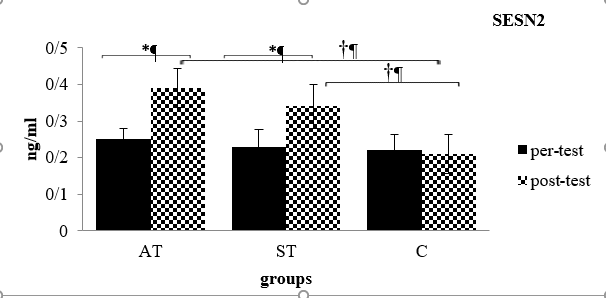
Figure 1. Plasma SESN2 levels in the AT, ST AND C groups before (pre) and after (post) the 8-weeks intervention.
* indicates a significant within-group difference (p < 0.05). † indicates a significant between-group difference (p < 0.05), adjusted for baseline values via ANCOVA
Full-Text: (105 Views)
The Effects of Aerobic and Strength Training on Plasma Sestrin 2 Levels in Inactive Elderly Men
Fatemeh Merdasi 1, Mehdi Bostani 2*
Received 26 Apr 2026
Accepted 10 May 2026
A B S T R A C T
Fatemeh Merdasi 1, Mehdi Bostani 2*
- Department of Physical Education, Ahv.C., Islamic Azad University, Ahvaz, Iran
Received 26 Apr 2026
Accepted 10 May 2026
A B S T R A C T
Introduction: Aging is associated with increased oxidative stress and decreased Sestrin 2 levels.The aim of the present study was to investigate the effect of eight weeks of aerobic and strength training on plasma levels of Sestrin2 in inactive elderly men.
Methods: In the present quasi -experimental study, forty-five elderly men with an age range of 60 to 74 years were selected using convenience sampling and then randomly assigned to three groups: an aerobic training group, a strength training group, and a control group. The aerobic training group trained for eight weeks, three sessions per week, at an intensity of 55-70% of heart rate reserve (HRR) based on the principle of progressive overload. The Strength training group also performed upper and lower body resistance training, three days a week and for eight weeks at an intensity of 30 to 80 percent of one Repetition Maximum(1RM). The control group did not participate in any training program. Blood samples were collected from all three groups 48 hours before and after the training intervention. Plasma Sestrin2 levels were measured using an ELISA kit. Analysis of Covariance (ANCOVA) along with Tukey's post hoc test was employed to compare the variables in the three groups. The data were analyzed at a significance level of 0.05 and using SPSS-23 software.
Results: Eight weeks of aerobic and strength training resulted in a significant increase in plasma Sestrin2 levels (p < 0.05), and no significant difference was observed between the two aerobic and strength training groups (p > 0.05).
Conclusion: Elderly people benefit from aerobic and resistance training to reduce oxidative stress caused by aging and, consequently, reduce the diseases caused by it.
Keywords: Aerobic Training , Strength Training, Sestrin 2, Aged
Copyright © 2026 The Author(s). This is an open-access article distributed under the terms of the Creative Commons Attribution-Non Commercial 4.0 International License (http://creativecommons.org/licenses/by-nc/4.0/) which permits copy and redistribute the material just in noncommercial usages, provided the original work is properly cite.
Introduction
Methods: In the present quasi -experimental study, forty-five elderly men with an age range of 60 to 74 years were selected using convenience sampling and then randomly assigned to three groups: an aerobic training group, a strength training group, and a control group. The aerobic training group trained for eight weeks, three sessions per week, at an intensity of 55-70% of heart rate reserve (HRR) based on the principle of progressive overload. The Strength training group also performed upper and lower body resistance training, three days a week and for eight weeks at an intensity of 30 to 80 percent of one Repetition Maximum(1RM). The control group did not participate in any training program. Blood samples were collected from all three groups 48 hours before and after the training intervention. Plasma Sestrin2 levels were measured using an ELISA kit. Analysis of Covariance (ANCOVA) along with Tukey's post hoc test was employed to compare the variables in the three groups. The data were analyzed at a significance level of 0.05 and using SPSS-23 software.
Results: Eight weeks of aerobic and strength training resulted in a significant increase in plasma Sestrin2 levels (p < 0.05), and no significant difference was observed between the two aerobic and strength training groups (p > 0.05).
Conclusion: Elderly people benefit from aerobic and resistance training to reduce oxidative stress caused by aging and, consequently, reduce the diseases caused by it.
Keywords: Aerobic Training , Strength Training, Sestrin 2, Aged
Copyright © 2026 The Author(s). This is an open-access article distributed under the terms of the Creative Commons Attribution-Non Commercial 4.0 International License (http://creativecommons.org/licenses/by-nc/4.0/) which permits copy and redistribute the material just in noncommercial usages, provided the original work is properly cite.
Introduction
Aging is a physiological condition accompanied by a decline in organ function and age‑related diseases. In fact, one of the hallmarks of aging is the reduced homeostasis of tissues and the body’s tendency toward disease and, ultimately, death (1). Studies have shown that the increase in free radicals and oxidative stress are important factors that accelerate the aging process (2).
Sestrins are a group of protective proteins in the body that are induced by oxidative stress and nucleic acid oxidation (3). To date, three isoforms include Sestrin‑1, Sestrin‑2, and Sestrin‑3 have been identified. Studies have shown that these proteins are important for the maintenance of metabolic homeostasis, for the protection of cells against age-related physiological damage and, mainly, for the control of Adenosine Monophosphate Kinase (AMPK)/Mammalian Target of Rapamycin (mTOR) signaling. Among them, Sestrin‑2 (SESN2) plays a direct role in reducing free radicals and suppressing the mTORCC1 pathway, thereby slowing down the aging process (4).
SESN2 can protect cells from damage caused by oxidative stress and help maintain normal metabolism, homeostasis, cell growth, and survival. Reduced levels of SESN2 lead to numerous disorders, such as oxidative damage, mitochondrial dysfunction, insulin resistance, and age-associated diseases (5).
In this regard, Sun et al., (6) showed that intracellular SESN2 protein levels in aged mice were lower compared to young mice. Also, SESN2 is involved in regulating energy metabolism. As age increases, the body’s metabolism changes, and disruption in this process can lead to premature aging and age-related diseases. Research has shown that SESN2 levels change with age (6). On the other hand SESN2 protein is involved in activating pathways that help cells cope with environmental and molecular stresses. The ability of cells to manage stress decreases with age, which can lead to cellular damage and aging (7). Also, SESN2 affects the function of mitochondria and disruption in mitochondrial function is one of the key factors in the aging process (8). The effect of exercise training on oxidative stress indicators, especially SESN2, has been studied. For example, Crisol et al., (9) have reported that four weeks of moderate-intensity endurance training leads to an increase in SESN2 levels in rats. Furthermore, Zeng et al., (10) have demonstrated that even a single session of acute exercise results in increased SESN2 expression in the skeletal muscles of young men. However, limited research has been conducted on the effect of endurance and resistance training on SESN2 levels in aging. Therefore, the aim of the present study was to investigate and compare the effect of eight weeks of aerobic and resistance training on plasma levels of SESN2 in inactive elderly men.
Methods
Participants
This quasi -experimental, applied study investigated the effect of eight weeks of aerobic and strength training on plasma SESN2 levels in inactive elderly men. The statistical population of this study included inactive elderly men aged 60 to 74 years in Ahvaz city. After screening based on the inclusion criteria, forty-five sedentary elderly men were recruited via convenience sampling and then randomly assigned to three groups by lottery.
Aerobic training group
This group consisted of 15 healthy and inactive elderly men whose blood samples were taken 48 hours before the start of the exercise period and they performed aerobic exercise for eight weeks. Blood samples were taken again 48 hours after the last exercise session to assess the effect of exercise on the research variable.
Strength training group
This group consisted of 15 healthy and inactive elderly men whose blood samples were taken 48 hours before the start of the exercise period and they
performed strength exercise for eight weeks. Blood samples were taken again 48 hours after the last exercise session to assess the effect of strength training on the research variable.
Control group
This group also consisted of 15 healthy and inactive elderly men who maintained their sedentary lifestyle, refrained from structured physical activity, and only engaged in routine daily activities, but blood was taken from them simultaneously with the elderly training group in two pre-test and post-test stages.
Inclusion criteria
No participation in sports training for at least the past six months, age range of 60 to 74 years for participants, no use of medications known to affect inflammatory markers or cardiovascular function, no smoking or alcohol consumption, no cardiovascular disease, high blood pressure, respiratory disease, or other diseases.
Exclusion criteria
Injury or illness, withdrawal, unwillingness to cooperate, unwillingness to perform the training protocol, absence of more than three training sessions, presence of symptoms related to the need to stop sports activities such as chest pain and other symptoms in accordance with the ACSM guidelines on sports withdrawal syndrome.
Blinding
Due to the nature of the intervention, blinding of the researcher and participants was not possible. However, the blood sample analyzer was blinded to group allocation.
Aerobic training protocol
The training program included aerobic training for eight weeks with a frequency of three sessions per week. Each 60-minute session consisted of a 10-minute warm-up, 45 minutes of main exercise, and a 5-minute cool-down. The main exercise performed with the intensity of the 55-70% heart rate reserve (HRR). The warm-up and cool-down of each training session included stretching exercises and slow running. The participants were advised not to participate in any other sports activities during the eight weeks of the training program. The initial training intensity for the first week was determined at an intensity of 55% of the heart rate reserve. After measuring the resting heart rate of the participants in the supine position and based on the maximum heart rate formula based on age, the training intensity was calculated using the Karonen formula. Exercise heart rate was monitored using Polar heart rate monitors to ensure training intensity. Based on the principle of gradual overload, the training intensity was increased by 5% every two weeks until the training intensity reached 70% of the reserve heart rate in the seventh and eighth weeks (11). A summary of the aerobic training program is given in Table 1.
Table 1. Aerobic exercise protocol
Strength training protocol
Sestrins are a group of protective proteins in the body that are induced by oxidative stress and nucleic acid oxidation (3). To date, three isoforms include Sestrin‑1, Sestrin‑2, and Sestrin‑3 have been identified. Studies have shown that these proteins are important for the maintenance of metabolic homeostasis, for the protection of cells against age-related physiological damage and, mainly, for the control of Adenosine Monophosphate Kinase (AMPK)/Mammalian Target of Rapamycin (mTOR) signaling. Among them, Sestrin‑2 (SESN2) plays a direct role in reducing free radicals and suppressing the mTORCC1 pathway, thereby slowing down the aging process (4).
SESN2 can protect cells from damage caused by oxidative stress and help maintain normal metabolism, homeostasis, cell growth, and survival. Reduced levels of SESN2 lead to numerous disorders, such as oxidative damage, mitochondrial dysfunction, insulin resistance, and age-associated diseases (5).
In this regard, Sun et al., (6) showed that intracellular SESN2 protein levels in aged mice were lower compared to young mice. Also, SESN2 is involved in regulating energy metabolism. As age increases, the body’s metabolism changes, and disruption in this process can lead to premature aging and age-related diseases. Research has shown that SESN2 levels change with age (6). On the other hand SESN2 protein is involved in activating pathways that help cells cope with environmental and molecular stresses. The ability of cells to manage stress decreases with age, which can lead to cellular damage and aging (7). Also, SESN2 affects the function of mitochondria and disruption in mitochondrial function is one of the key factors in the aging process (8). The effect of exercise training on oxidative stress indicators, especially SESN2, has been studied. For example, Crisol et al., (9) have reported that four weeks of moderate-intensity endurance training leads to an increase in SESN2 levels in rats. Furthermore, Zeng et al., (10) have demonstrated that even a single session of acute exercise results in increased SESN2 expression in the skeletal muscles of young men. However, limited research has been conducted on the effect of endurance and resistance training on SESN2 levels in aging. Therefore, the aim of the present study was to investigate and compare the effect of eight weeks of aerobic and resistance training on plasma levels of SESN2 in inactive elderly men.
Methods
Participants
This quasi -experimental, applied study investigated the effect of eight weeks of aerobic and strength training on plasma SESN2 levels in inactive elderly men. The statistical population of this study included inactive elderly men aged 60 to 74 years in Ahvaz city. After screening based on the inclusion criteria, forty-five sedentary elderly men were recruited via convenience sampling and then randomly assigned to three groups by lottery.
Aerobic training group
This group consisted of 15 healthy and inactive elderly men whose blood samples were taken 48 hours before the start of the exercise period and they performed aerobic exercise for eight weeks. Blood samples were taken again 48 hours after the last exercise session to assess the effect of exercise on the research variable.
Strength training group
This group consisted of 15 healthy and inactive elderly men whose blood samples were taken 48 hours before the start of the exercise period and they
performed strength exercise for eight weeks. Blood samples were taken again 48 hours after the last exercise session to assess the effect of strength training on the research variable.
Control group
This group also consisted of 15 healthy and inactive elderly men who maintained their sedentary lifestyle, refrained from structured physical activity, and only engaged in routine daily activities, but blood was taken from them simultaneously with the elderly training group in two pre-test and post-test stages.
Inclusion criteria
No participation in sports training for at least the past six months, age range of 60 to 74 years for participants, no use of medications known to affect inflammatory markers or cardiovascular function, no smoking or alcohol consumption, no cardiovascular disease, high blood pressure, respiratory disease, or other diseases.
Exclusion criteria
Injury or illness, withdrawal, unwillingness to cooperate, unwillingness to perform the training protocol, absence of more than three training sessions, presence of symptoms related to the need to stop sports activities such as chest pain and other symptoms in accordance with the ACSM guidelines on sports withdrawal syndrome.
Blinding
Due to the nature of the intervention, blinding of the researcher and participants was not possible. However, the blood sample analyzer was blinded to group allocation.
Aerobic training protocol
The training program included aerobic training for eight weeks with a frequency of three sessions per week. Each 60-minute session consisted of a 10-minute warm-up, 45 minutes of main exercise, and a 5-minute cool-down. The main exercise performed with the intensity of the 55-70% heart rate reserve (HRR). The warm-up and cool-down of each training session included stretching exercises and slow running. The participants were advised not to participate in any other sports activities during the eight weeks of the training program. The initial training intensity for the first week was determined at an intensity of 55% of the heart rate reserve. After measuring the resting heart rate of the participants in the supine position and based on the maximum heart rate formula based on age, the training intensity was calculated using the Karonen formula. Exercise heart rate was monitored using Polar heart rate monitors to ensure training intensity. Based on the principle of gradual overload, the training intensity was increased by 5% every two weeks until the training intensity reached 70% of the reserve heart rate in the seventh and eighth weeks (11). A summary of the aerobic training program is given in Table 1.
Table 1. Aerobic exercise protocol
| Frequency | Duration (minutes) | Intensity (HRR%) | Week |
| 3 | 60 | 55 | 1 |
| 3 | 60 | 55 | 2 |
| 3 | 60 | 60 | 3 |
| 3 | 60 | 60 | 4 |
| 3 | 60 | 65 | 5 |
| 3 | 60 | 65 | 6 |
| 3 | 60 | 70 | 7 |
| 3 | 60 | 70 | 8 |
Strength training protocol
The strength training program was designed to be conducted three days per week for a duration of eight weeks, with at least 48 hours of rest between sessions. Each session comprised three phases: warm-up, specific training, and cool-down. The warm-up included five minutes of general warm-up and five minutes of specific warm-up. The resistance training exercises consisted of four upper-body exercises, four lower-body exercises, and one abdominal exercise at the end. These were performed in the following order: leg press, bench press, leg extension, lat pulldown, leg curl, dumbbell triceps extension, calf raises, dumbbell biceps curl, and crunches. The resistance exercises were based on the American College of Sports Medicine (ACSM) recommendations for healthy older adults. The training intensity for the first two weeks was set at 30-40% of one-repetition maximum (1RM) with 10-12 repetitions per exercise. In weeks three and four, training intensity increased to 50-60% of 1RM with 8-10 repetitions per exercise. For weeks five through eight, the intensity was further elevated to 70-80% of 1RM with 8-10 repetitions per exercise. Each exercise was performed for three sets, with 90 seconds of rest between sets and 2 minutes of rest between exercises. The cool-down consisted of five minutes of walking and static stretching exercises for the upper and lower body to prevent muscle soreness (12).
Blood collection and measurement of biochemical variables
Blood samples were taken from the participants of three groups 48 hours before the first training session and 48 hours after the last training session, by a laboratory technician; then samples were centrifuged at 3000 rpm for 10 minutes and the blood plasma of the samples was separated. Blood samples were collected after a 12-hour overnight fast while participants were at rest, and each time 5 cc was taken from the anterior vein of the left hand of the participants in a sitting position. The participants did not engage in any specific physical activity in the 48 hours prior to sampling. They also did not consume coffee, tea, or any other stimulant drinks during the 12-hour fast, and they were normally hydrated. Blood was collected into sterile tubes containing blood anticoagulant and EDTA. The obtained plasma was poured into 1 ml microtubes and transported to the laboratory for the next steps and stored at -80 ° C. To measure plasma levels of SESN2, the ELISA method was used using a human ELISA kit from CUSABIO (China), with a sensitivity of 0.043 ng/ml.
Statistical analysis
The mean ± standard deviation was used to describe the data. The dependent t-test was used for intra-group comparison and Analysis of Covariance (ANCOVA) along with Tukey's post hoc test was used for comparison between three groups. Shapiro-Wilk test indicated normal distribution in all groups (p > 0.05) and Levene's test confirmed homogeneity of variances (p = 0.263). The data were analyzed by SPSS-23 software at a significance level of 0.05.
Ethical considerations
Given that the present study was conducted on human samples with exercise intervention over a relatively long period of time, therefore, in full compliance with the ethical principles of research, approval was obtained from the ethics committee of Islamic Azad University, Ahvaz Branch (ID:IR.IAU.AHVAZ.REC.1403.208). Informed written consent was obtained from all participants.
Results
Descriptive data related to the frequency, mean and standard deviation of age, height, weight and body mass index (BMI) of the participants in the three groups are presented in Table 2. One-way analysis of variance (ANOVA) was used to compare the variables between the three groups. As shown in table 2, the participants in the three groups were homogeneous in all variables and no significant difference was observed between the three groups.
Intra-group comparison of SESN2 plasma levels: A paired-samples t-test was used to compare pre and post-test SESN2 levels; the results are presented in Table 3. As shown in Table 3, a significant difference was found between pre-test and post-test SESN2 plasma levels in the AT (p = 0.001) and ST (p = 0.009) groups, but no significant difference was observed between pre-test and post-test SESN2 plasma levels in the control group (p = 0.231).
Between-group comparison in plasma SESN2 levels: As shown in table 4 the results of ANCOVA showed that there was a significant difference in plasma SESN2 levels between groups (p = 0.001). Therefore, Tukey's post hoc test was used for pairwise comparisons, that the results of this test are presented in Table 5. As shown in this table, significant differences were observed between the AT and C groups (p = 0.001), as well as between the ST and C groups (p = 0.012). However, comparable effects were observed between the AT and ST groups in plasma SESN2 levels (p = 0.145). Figure 1 shows the within and Between-group comparison in plasma SESN2 levels.
Blood collection and measurement of biochemical variables
Blood samples were taken from the participants of three groups 48 hours before the first training session and 48 hours after the last training session, by a laboratory technician; then samples were centrifuged at 3000 rpm for 10 minutes and the blood plasma of the samples was separated. Blood samples were collected after a 12-hour overnight fast while participants were at rest, and each time 5 cc was taken from the anterior vein of the left hand of the participants in a sitting position. The participants did not engage in any specific physical activity in the 48 hours prior to sampling. They also did not consume coffee, tea, or any other stimulant drinks during the 12-hour fast, and they were normally hydrated. Blood was collected into sterile tubes containing blood anticoagulant and EDTA. The obtained plasma was poured into 1 ml microtubes and transported to the laboratory for the next steps and stored at -80 ° C. To measure plasma levels of SESN2, the ELISA method was used using a human ELISA kit from CUSABIO (China), with a sensitivity of 0.043 ng/ml.
Statistical analysis
The mean ± standard deviation was used to describe the data. The dependent t-test was used for intra-group comparison and Analysis of Covariance (ANCOVA) along with Tukey's post hoc test was used for comparison between three groups. Shapiro-Wilk test indicated normal distribution in all groups (p > 0.05) and Levene's test confirmed homogeneity of variances (p = 0.263). The data were analyzed by SPSS-23 software at a significance level of 0.05.
Ethical considerations
Given that the present study was conducted on human samples with exercise intervention over a relatively long period of time, therefore, in full compliance with the ethical principles of research, approval was obtained from the ethics committee of Islamic Azad University, Ahvaz Branch (ID:IR.IAU.AHVAZ.REC.1403.208). Informed written consent was obtained from all participants.
Results
Descriptive data related to the frequency, mean and standard deviation of age, height, weight and body mass index (BMI) of the participants in the three groups are presented in Table 2. One-way analysis of variance (ANOVA) was used to compare the variables between the three groups. As shown in table 2, the participants in the three groups were homogeneous in all variables and no significant difference was observed between the three groups.
Intra-group comparison of SESN2 plasma levels: A paired-samples t-test was used to compare pre and post-test SESN2 levels; the results are presented in Table 3. As shown in Table 3, a significant difference was found between pre-test and post-test SESN2 plasma levels in the AT (p = 0.001) and ST (p = 0.009) groups, but no significant difference was observed between pre-test and post-test SESN2 plasma levels in the control group (p = 0.231).
Between-group comparison in plasma SESN2 levels: As shown in table 4 the results of ANCOVA showed that there was a significant difference in plasma SESN2 levels between groups (p = 0.001). Therefore, Tukey's post hoc test was used for pairwise comparisons, that the results of this test are presented in Table 5. As shown in this table, significant differences were observed between the AT and C groups (p = 0.001), as well as between the ST and C groups (p = 0.012). However, comparable effects were observed between the AT and ST groups in plasma SESN2 levels (p = 0.145). Figure 1 shows the within and Between-group comparison in plasma SESN2 levels.
Table 2. Baseline characteristics of the participants in the three groups
Table 3.The intra-group changes in plasma SESN2 levels
* Significant difference between pre-test and post-test (p < 0.05)
Table 4. Results of the ANCOVA for between-group comparison
*Significant difference between the groups
Table 5. Results of the Tukey's post hoc test for between-group comparison
*Significant difference between the two groups
| Variable | Group | N | Mean ± S. D | F | p |
| Age (year) | AT | 15 | 2.29 ± 66.26 | 2.241 | 0.183 |
| ST | 15 | 3.71 ± 64.45 | |||
| C | 15 | 4.12 ± 67.53 | |||
| Height (cm) | AT | 15 | 2.59 ± 174.38 | 3.147 | 0.136 |
| ST | 15 | 3.18 ± 178.40 | |||
| C | 15 | 3.47 ± 175.62 | |||
| Weight(Kg) | AT | 15 | 4.32 ± 86.92 | 1.319 | 0.241 |
| ST | 15 | 3.85 ± 85.24 | |||
| C | 15 | 3.61 ± 84.32 | |||
| BMI (kg/m2) | AT | 15 | 1.36 ± 28.58 | 1.068 | 0.315 |
| ST | 15 | 2.08 ± 26.78 | |||
| C | 15 | 1.74 ± 27.33 |
Table 3.The intra-group changes in plasma SESN2 levels
| p | t | df | Cohen’s d | Difference (Pre-Post) | Mean ± SD | Stage | Group |
| 0.001* | 7.32 | 14 | 0.523 | 0.14 | 0.031 ± 0.25 | Pre-test | AT |
| 0.054 ± 0.39 | Post-test | ||||||
| 0.009* | 6.54 | 14 | 0.467 | 0.11 | 0.047 ± 0.23 | Pre-test | ST |
| 0.061 ± 0.34 | Post-test | ||||||
| 0.231 | 0.68 | 14 | 0.203 | 0.01 | 0.044 ± 0.22 | Pre-test | C |
| 0.052 ± 0.21 | Post-test |
Table 4. Results of the ANCOVA for between-group comparison
| Partial η² | p | F | Mean square | df | Type III sum of squares | Source |
| 0.607 | 0.139 | 25.105 | 0.034 | 1 | 0.034 | Intercept |
| 0.043 | 0.516 | 2.421 | 0.001 | 1 | 0.001 | Pre-test |
| 0.813 | 0.001* | 96.015 | 0.048 | 2 | 0.096 | Group |
| 0.0005 | 41 | 0.022 | Error | |||
| 45 | 4.025 | Total |
Table 5. Results of the Tukey's post hoc test for between-group comparison
| p | Std. error | Mean difference | Group J | Group I |
| 0.001* | 0.007 | 0.17 | AT | C |
| 0.012* | 0.008 | 0.13 | ST | |
| 0.145 | 0.011 | 0.05 | ST | AT |
Discussion
The present study showed that eight weeks of aerobic and strength training resulted in a significant increase in plasma SESN2 levels, and no significant difference was observed between the two aerobic and Strength training groups.
Aging is associated with elevated oxidative stress, impaired AMPK signaling, mitochondrial dysfunction, and sarcopenia. Basal SESN2 expression declines with age, leads to reduced antioxidant capacity and altered energy balance (13). Exercise training is one of the most effective interventions to restore SESN2 signaling in aging (14).
Previous studies (15, 16) have shown that regular exercise has been shown to modulate SESN2 expression, thereby contributing to improved mitochondrial function, oxidative balance, and cellular resilience against metabolic and environmental stressors. Changes in SESN2 expression differ depending on the type, intensity, and duration of exercise training (15). Moreover, SESN2 functions as an oxidative stress sensor, activating antioxidant systems such as Nrf2 and glutathione (GSH), thus mitigating exercise-induced oxidative damage (16).
The present study showed that eight weeks of aerobic and strength training resulted in a significant increase in plasma SESN2 levels, and no significant difference was observed between the two aerobic and Strength training groups.
Aging is associated with elevated oxidative stress, impaired AMPK signaling, mitochondrial dysfunction, and sarcopenia. Basal SESN2 expression declines with age, leads to reduced antioxidant capacity and altered energy balance (13). Exercise training is one of the most effective interventions to restore SESN2 signaling in aging (14).
Previous studies (15, 16) have shown that regular exercise has been shown to modulate SESN2 expression, thereby contributing to improved mitochondrial function, oxidative balance, and cellular resilience against metabolic and environmental stressors. Changes in SESN2 expression differ depending on the type, intensity, and duration of exercise training (15). Moreover, SESN2 functions as an oxidative stress sensor, activating antioxidant systems such as Nrf2 and glutathione (GSH), thus mitigating exercise-induced oxidative damage (16).
Figure 1. Plasma SESN2 levels in the AT, ST AND C groups before (pre) and after (post) the 8-weeks intervention.
* indicates a significant within-group difference (p < 0.05). † indicates a significant between-group difference (p < 0.05), adjusted for baseline values via ANCOVA
Consistent with the results of the present study, Kim et al., (7), showed that eight to twelve weeks of regular aerobic training significantly increase circulating and skeletal muscle SESN2 levels. The most important mechanisms for increasing SESN2 due to aerobic exercise include Activation of AMPK–ULK1-mediated autophagy and suppression of mTOR signaling, Upregulation of antioxidant defenses (Nrf2, SOD, GPx) and Restoration of metabolic flexibility and energy homeostasis (7).
Findings from the effect of resistance training on SESN2 are somewhat heterogeneous. For example Zeng et al., (17) reported a transient post-exercise increase in SESN2. As well as, Huang et al., (18) found no major basal change after 12 weeks of resistance training in SESN2 levels, though muscle strength improved notably. Also, previous studies have shown that exercise can increase muscle cell autophagy ability by increasing SESN2 levels (19).
PGC-1α, one of the most important downstream targets of SESN2 , plays a particularly important role in modulating its effects in response to long-term endurance exercise (20). Also, other studies have shown that long-term aerobic exercise can slow down the process of protein breakdown and the development of senile sarcopenia through the activation of the PGC1-α/AMPK signaling pathway and the activation of autophagy function (21).
It has been shown that SESN2 as an AMPK activator and mTORC inhibitor protect against various metabolic disorders such as diabetes, obesity, cancer, and atherosclerosis, especially in aging (22). In addition, SESN2 can increase fatty acid oxidation and lipolysis via Protein Kinase activation (23). Therefore, exercise plays an important role in controlling oxidative stress and reducing various metabolic diseases by increasing SESN2 levels, in old age.
Study limitations
Given that the present study was conducted on human samples and it was not possible to select the sample randomly, the initial selection of participants was by convenience sampling, which can be referred to as a research limitation. Also, lack of the accurate nutritional control and inability to measure tissue levels of SESN2 were the most important limitations of the present study.
Conclusion
Aging is associated with increased oxidative stress and changes in related indices. In the present study, it was shown that eight weeks of aerobic and resistance training resulted in a significant increase in the levels of SESN2 protein. Therefore, exercise activities, both resistance and aerobic, as a useful and non-pharmacological strategy by increasing SESN2 levels play an important role in controlling oxidative stress and related diseases in aging.
Conflict of interest
The authors declare no conflict of interest in the present study.
Acknowledgements
This article is derived from the master's thesis of the Islamic Azad University of Ahvaz Branch, which hereby acknowledges and thanks the research of the Islamic Azad University of Ahvaz Branch and the research participants.
Funding
This research received no external funding.
Authors, contributions
Conceptualization: F.M., M.B., Methodology: F.M., M.B., Formal analysis: F.M., M.B.; Investigation: F.M., M.B.; Writing - original draft: F.M., M.B.; Writing–review & editing: F.M., M.B.; Supervision: M.B.
References
Findings from the effect of resistance training on SESN2 are somewhat heterogeneous. For example Zeng et al., (17) reported a transient post-exercise increase in SESN2. As well as, Huang et al., (18) found no major basal change after 12 weeks of resistance training in SESN2 levels, though muscle strength improved notably. Also, previous studies have shown that exercise can increase muscle cell autophagy ability by increasing SESN2 levels (19).
PGC-1α, one of the most important downstream targets of SESN2 , plays a particularly important role in modulating its effects in response to long-term endurance exercise (20). Also, other studies have shown that long-term aerobic exercise can slow down the process of protein breakdown and the development of senile sarcopenia through the activation of the PGC1-α/AMPK signaling pathway and the activation of autophagy function (21).
It has been shown that SESN2 as an AMPK activator and mTORC inhibitor protect against various metabolic disorders such as diabetes, obesity, cancer, and atherosclerosis, especially in aging (22). In addition, SESN2 can increase fatty acid oxidation and lipolysis via Protein Kinase activation (23). Therefore, exercise plays an important role in controlling oxidative stress and reducing various metabolic diseases by increasing SESN2 levels, in old age.
Study limitations
Given that the present study was conducted on human samples and it was not possible to select the sample randomly, the initial selection of participants was by convenience sampling, which can be referred to as a research limitation. Also, lack of the accurate nutritional control and inability to measure tissue levels of SESN2 were the most important limitations of the present study.
Conclusion
Aging is associated with increased oxidative stress and changes in related indices. In the present study, it was shown that eight weeks of aerobic and resistance training resulted in a significant increase in the levels of SESN2 protein. Therefore, exercise activities, both resistance and aerobic, as a useful and non-pharmacological strategy by increasing SESN2 levels play an important role in controlling oxidative stress and related diseases in aging.
Conflict of interest
The authors declare no conflict of interest in the present study.
Acknowledgements
This article is derived from the master's thesis of the Islamic Azad University of Ahvaz Branch, which hereby acknowledges and thanks the research of the Islamic Azad University of Ahvaz Branch and the research participants.
Funding
This research received no external funding.
Authors, contributions
Conceptualization: F.M., M.B., Methodology: F.M., M.B., Formal analysis: F.M., M.B.; Investigation: F.M., M.B.; Writing - original draft: F.M., M.B.; Writing–review & editing: F.M., M.B.; Supervision: M.B.
References
- Cui H, Kong Y, Zhang H. Oxidative stress, mitochondrial dysfunction, and aging. Journal of Signal Transduction. 2021; 2012(1): 1-13.
- Birch-Machin MA, Bowman A. Oxidative stress and ageing. British Journal of Dermatology. 2016; 175(S2): 26-9.
- Pasha M, Eid AH, Eid AA, Gorin Y, Munusamy S. Sestrin2 as a novel biomarker and therapeutic target for various diseases. Oxidative Medicine and Cellular Longevity. 2017; 2017(1): 1-10.
- Ho A, Cho CS, Namkoong S, Cho US, Lee JH. Biochemical basis of Sestrins physiological activities. Trends in Biochemical Sciences. 2016; 41(7): 621-32.
- Rai N, Dey S. Protective response of Sestrin under stressful conditions in aging. Ageing Research Reviews. 2020; 64: 101186.
- Sun W, Wang Y, Zheng Y, Quan N. The emerging role of Sestrin2 in cell metabolism, and cardiovascular and age-related diseases. Aging and Disease. 2020; 11(1): 154-63.
- Kim M, Kowalsky AH, Lee JH. Sestrins in physiological stress responses. Annual Review of Physiology. 2020; 83(1): 381-403.
- Sun B, Wang JD, Wu MY, Chen HY, Yang SQ, Chen YM, et al. Sestrin2 alleviates sepsis-induced immunosuppression of dendritic cells by regulating mitochondrial dynamics. Free Radical Biology and Medicine. 2025; 240: 583-96.
- Crisol BM, Lenhare L, Gaspar RS, Gaspar RC, Muñoz VR, da Silva AS, et al. The role of physical exercise on Sestrin1 and 2 accumulations in the skeletal muscle of mice. Life Sciences. 2018; 194(1): 98-103.
- Zeng N, D'Souza RF, Figueiredo VC, Markworth JF, Roberts LA, Peake JM, et al. Acute resistance exercise induces Sestrin2 phosphorylation and p62 dephosphorylation in human skeletal muscle. Physiological Reports. 2017; 5(24): 1-9.
- Ghamarchehreh ME, Shamsoddini A, Alavian SM. Investigating the impact of eight weeks of aerobic and resistance training on blood lipid profile in elderly with non-alcoholic fatty liver disease: a randomized clinical trial. Gastroenterology and Hepatology from Bed to Bench. 2019; 12(3): 190-6.
- Barzegari M, Shojaedin SS, Bayat TM. The effect of 8-week strength training, balance training and combined training on the dynamic and static balance of the elderly inactive men. Specific Physical Therapy Journal. 2019; 9(1): 15-22.
- Quan N, Wang L, Chen X, Luckett C, Cates C, Rousselle T, et al. Sestrin2 prevents age-related intolerance to post myocardial infarction via AMPK/PGC-1α pathway. Journal of Molecular and Cellular Cardiology. 2018; 115: 170-8.
- Mohabbat M, Arazi H. Effect of resistance training plus enriched probiotic supplement on sestrin2, oxidative stress, and mitophagy markers in elderly male Wistar rats. Scientific Reports. 2024; 14(1): 7744.
- Hwang I, Kim M. Muscular Sestrins: roles in exercise physiology and stress resistance. Biomolecules. 2023; 13(5): 722.
- Liu S, Li H, Zhang Y, Song H, Fu L. Exercise ameliorates chronic inflammatory response induced by high-fat diet via Sestrin2 in an Nrf2-dependent manner. Biochimica et Biophysica Acta (BBA)-Molecular Basis of Disease. 2023; 1869(7): 166792.
- Zeng N, D’Souza RF, Sorrenson B, Merry TL, Barnett MP, Mitchell CJ, et al. The putative leucine sensor Sestrin2 is hyperphosphorylated by acute resistance exercise but not protein ingestion in human skeletal muscle. European Journal of Applied Physiology. 2018; 118(6): 1241-53.
- Huang Y, Sun S, Yang X, Li X, Zhou Y, Liu S, et al. SESN2 mediates resistance training-induced improvements in exercise performance and energy metabolism in C57BL/6J mice. Experimental Cell Research. 2025; 450(1): 114617.
- Lenhare L, Crisol BM, Silva VR, Katashima CK, Cordeiro AV, Pereira KD, et al. Physical exercise increases Sestrin 2 protein levels and induces autophagy in the skeletal muscle of old mice. Experimental Gerontology. 2017; 97: 17-21.
- Liu S, Yu C, Xie L, Niu Y, Fu L. Aerobic exercise improves mitochondrial function in sarcopenia mice through Sestrin2 in an AMPKα2-dependent manner. The Journals of Gerontology. 2021; 76(7): 1161-8.
- Liang J, Zhang H, Zeng Z, Wu L, Zhang Y, Guo Y, et al. Lifelong aerobic exercise alleviates sarcopenia by activating autophagy and inhibiting protein degradation via the AMPK/PGC-1α signaling pathway. Metabolites. 2021; 11(5): 1-16.
- Chen Y, Huang T, Yu Z, Yu Q, Wang Y, Hu JA, et al. The functions and roles of Sestrins in regulating human diseases. Cellular & Molecular Biology Letters. 2022; 27(1): 1-24.
- Fang Z, Kim HG, Huang M, Chowdhury K, Li MO, Liangpunsakul S, et al. Sestrin proteins protect against lipotoxicity-induced oxidative stress in the liver via suppression of C-Jun N-terminal kinases. Cellular and Molecular Gastroenterology and Hepatology. 2021; 12(3): 921-42.
Type of Study: Research |
Subject:
General
Received: 2026/04/26 | Accepted: 2026/05/10 | Published: 2026/06/20
Received: 2026/04/26 | Accepted: 2026/05/10 | Published: 2026/06/20
References
1. Cui H, Kong Y, Zhang H. Oxidative stress, mitochondrial dysfunction, and aging. Journal of Signal Transduction. 2021; 2012(1): 1-13.
2. Birch-Machin MA, Bowman A. Oxidative stress and ageing. British Journal of Dermatology. 2016; 175(S2): 26-9.
3. Pasha M, Eid AH, Eid AA, Gorin Y, Munusamy S. Sestrin2 as a novel biomarker and therapeutic target for various diseases. Oxidative Medicine and Cellular Longevity. 2017; 2017(1): 1-10.
4. Ho A, Cho CS, Namkoong S, Cho US, Lee JH. Biochemical basis of Sestrins physiological activities. Trends in Biochemical Sciences. 2016; 41(7): 621-32.
5. Rai N, Dey S. Protective response of Sestrin under stressful conditions in aging. Ageing Research Reviews. 2020; 64: 101186.
6. Sun W, Wang Y, Zheng Y, Quan N. The emerging role of Sestrin2 in cell metabolism, and cardiovascular and age-related diseases. Aging and Disease. 2020; 11(1): 154-63.
7. Kim M, Kowalsky AH, Lee JH. Sestrins in physiological stress responses. Annual Review of Physiology. 2020; 83(1): 381-403.
8. Sun B, Wang JD, Wu MY, Chen HY, Yang SQ, Chen YM, et al. Sestrin2 alleviates sepsis-induced immunosuppression of dendritic cells by regulating mitochondrial dynamics. Free Radical Biology and Medicine. 2025; 240: 583-96.
9. Crisol BM, Lenhare L, Gaspar RS, Gaspar RC, Muñoz VR, da Silva AS, et al. The role of physical exercise on Sestrin1 and 2 accumulations in the skeletal muscle of mice. Life Sciences. 2018; 194(1): 98-103.
10. Zeng N, D'Souza RF, Figueiredo VC, Markworth JF, Roberts LA, Peake JM, et al. Acute resistance exercise induces Sestrin2 phosphorylation and p62 dephosphorylation in human skeletal muscle. Physiological Reports. 2017; 5(24): 1-9.
11. Ghamarchehreh ME, Shamsoddini A, Alavian SM. Investigating the impact of eight weeks of aerobic and resistance training on blood lipid profile in elderly with non-alcoholic fatty liver disease: a randomized clinical trial. Gastroenterology and Hepatology from Bed to Bench. 2019; 12(3): 190-6.
12. Barzegari M, Shojaedin SS, Bayat TM. The effect of 8-week strength training, balance training and combined training on the dynamic and static balance of the elderly inactive men. Specific Physical Therapy Journal. 2019; 9(1): 15-22.
13. Quan N, Wang L, Chen X, Luckett C, Cates C, Rousselle T, et al. Sestrin2 prevents age-related intolerance to post myocardial infarction via AMPK/PGC-1α pathway. Journal of Molecular and Cellular Cardiology. 2018; 115: 170-8.
14. Mohabbat M, Arazi H. Effect of resistance training plus enriched probiotic supplement on sestrin2, oxidative stress, and mitophagy markers in elderly male Wistar rats. Scientific Reports. 2024; 14(1): 7744.
15. Hwang I, Kim M. Muscular Sestrins: roles in exercise physiology and stress resistance. Biomolecules. 2023; 13(5): 722.
16. Liu S, Li H, Zhang Y, Song H, Fu L. Exercise ameliorates chronic inflammatory response induced by high-fat diet via Sestrin2 in an Nrf2-dependent manner. Biochimica et Biophysica Acta (BBA)-Molecular Basis of Disease. 2023; 1869(7): 166792.
17. Zeng N, D’Souza RF, Sorrenson B, Merry TL, Barnett MP, Mitchell CJ, et al. The putative leucine sensor Sestrin2 is hyperphosphorylated by acute resistance exercise but not protein ingestion in human skeletal muscle. European Journal of Applied Physiology. 2018; 118(6): 1241-53.
18. Huang Y, Sun S, Yang X, Li X, Zhou Y, Liu S, et al. SESN2 mediates resistance training-induced improvements in exercise performance and energy metabolism in C57BL/6J mice. Experimental Cell Research. 2025; 450(1): 114617.
19. Lenhare L, Crisol BM, Silva VR, Katashima CK, Cordeiro AV, Pereira KD, et al. Physical exercise increases Sestrin 2 protein levels and induces autophagy in the skeletal muscle of old mice. Experimental Gerontology. 2017; 97: 17-21.
20. Liu S, Yu C, Xie L, Niu Y, Fu L. Aerobic exercise improves mitochondrial function in sarcopenia mice through Sestrin2 in an AMPKα2-dependent manner. The Journals of Gerontology. 2021; 76(7): 1161-8.
21. Liang J, Zhang H, Zeng Z, Wu L, Zhang Y, Guo Y, et al. Lifelong aerobic exercise alleviates sarcopenia by activating autophagy and inhibiting protein degradation via the AMPK/PGC-1α signaling pathway. Metabolites. 2021; 11(5): 1-16.
22. Chen Y, Huang T, Yu Z, Yu Q, Wang Y, Hu JA, et al. The functions and roles of Sestrins in regulating human diseases. Cellular & Molecular Biology Letters. 2022; 27(1): 1-24.
23. Fang Z, Kim HG, Huang M, Chowdhury K, Li MO, Liangpunsakul S, et al. Sestrin proteins protect against lipotoxicity-induced oxidative stress in the liver via suppression of C-Jun N-terminal kinases. Cellular and Molecular Gastroenterology and Hepatology. 2021; 12(3): 921-42.
Send email to the article author
| Rights and permissions | |
 |
This work is licensed under a Creative Commons Attribution-NonCommercial 4.0 International License. |