

Volume 12, Issue 1 (June 2026)
Elderly Health Journal 2026, 12(1): 59-71 |
Back to browse issues page



Download citation:
BibTeX | RIS | EndNote | Medlars | ProCite | Reference Manager | RefWorks
Send citation to:


BibTeX | RIS | EndNote | Medlars | ProCite | Reference Manager | RefWorks
Send citation to:
Maleki S, Morsali R, Sanaei N, Gorbanalipour M. Prediction of Existential Anxiety in Older Adults: The Effects of Meaning in Life and Dark Personality Traits Through Loneliness. Elderly Health Journal 2026; 12 (1) :59-71
URL: http://ehj.ssu.ac.ir/article-1-380-en.html
URL: http://ehj.ssu.ac.ir/article-1-380-en.html


Department of Psychology, Faculty of Psychology and Educational Sciences, Khoy Branch, Islamic Azad University, Khoy, Iran , masoudqorbanalipour@gmail.com
Full-Text [PDF 637 kb]
(106 Downloads)
| Abstract (HTML) (379 Views)
Full-Text: (114 Views)
Prediction of Existential Anxiety in Older Adults: The Effects of Meaning in Life and Dark Personality Traits Through Loneliness
Shayan Maleki 1, Rezvan Morsali 2, Nafiseh Sanaei 3, Masoud Gorbanalipour 1*
Article history
Received 28 Apr 2026
Accepted 10 May 2026
A B S T R A C T
Introduction
Table 1. Demographic characteristics of participants
Table 2. Descriptive statistics of research variables
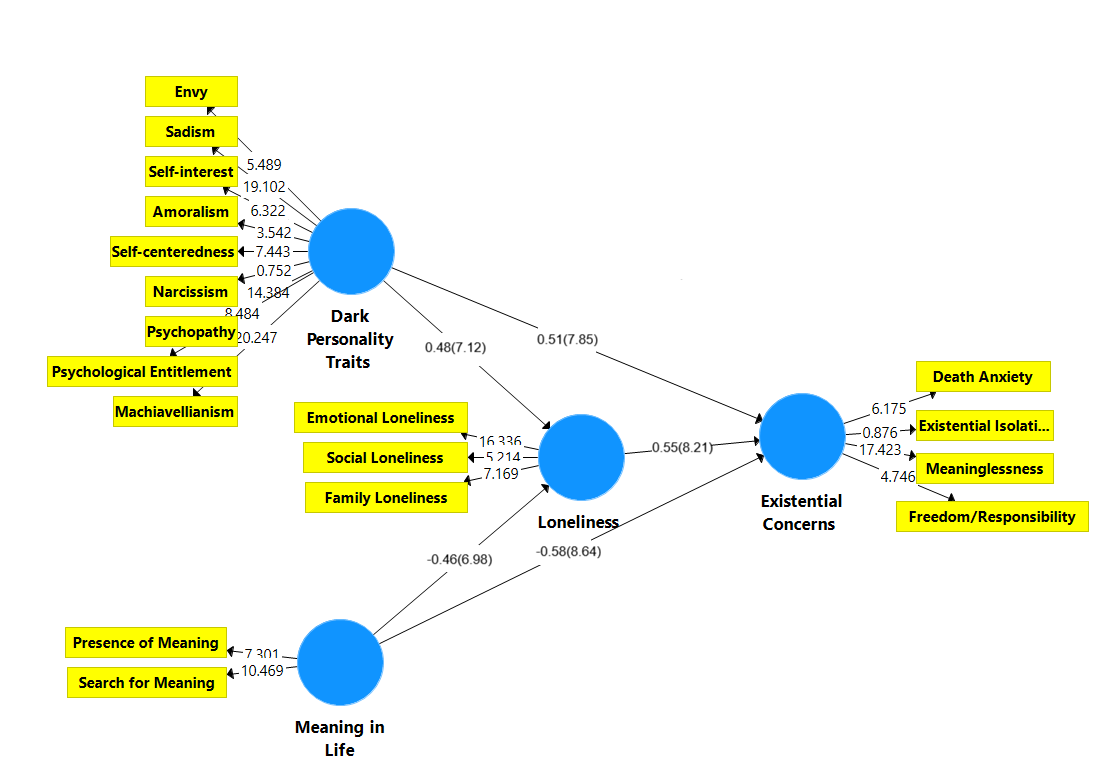
Figure 1. Structural Equation Modeling results with standardized path coefficients (β) and t-values
Table 4. Direct, indirect, and total path coefficients
Shayan Maleki 1, Rezvan Morsali 2, Nafiseh Sanaei 3, Masoud Gorbanalipour 1*
- Department of Psychology, Faculty of Psychology and Educational Sciences, Islamic Azad University, Khoy Branch, Khoy, Iran
- Department of Psychology, Faculty of Psychology and Educational Sciences, Islamic Azad University, Anar Branch, Iran
- Department of Psychology, Faculty of Psychology and Educational Sciences, Islamic Azad University, Urmia Branch, Iran
Article history
Received 28 Apr 2026
Accepted 10 May 2026
A B S T R A C T
Introduction: Existential anxiety is a fundamental psychological experience related to awareness of mortality, isolation, and meaninglessness, and it becomes more prominent in older adulthood due to aging-related changes. The present study aimed to examine the relationships among dark personality traits, meaning in life, loneliness, and existential anxiety in older adults, with emphasis on the mediating role of loneliness.
Methods: This quantitative, cross-sectional correlational study was conducted using Structural Equation Modeling. The sample consisted of 204 older adults aged 60 years and above living in Khoy city, West Azerbaijan Province (2025–2026), selected through convenience sampling. Data were collected using standardized questionnaires assessing existential anxiety, meaning in life, dark personality traits, and loneliness. Analyses were performed using SPSS and SmartPLS, including Pearson correlation, SEM, and bootstrapping.
Results: The results showed that dark personality traits were positively associated with loneliness (β = 0.48, p < 0.001) and existential anxiety (β = 0.51, p < 0.001). Meaning in life was negatively associated with loneliness (β = -0.46, p < 0.001) and existential anxiety (β = -0.58, p < 0.001). Loneliness also positively predicted existential anxiety (β = 0.55, p < 0.001). In addition, dark personality traits had a significant indirect effect on existential anxiety through loneliness (β = 0.26, p < 0.001), while meaning in life had a significant negative indirect effect through loneliness (β = -0.25, p < 0.001).
Conclusion: Existential anxiety in older adults is influenced by both maladaptive personality traits and meaning in life, with loneliness playing a central mediating role. Strengthening meaning in life and reducing loneliness may be effective targets for reducing existential distress in late adulthood.
Keywords: Existential Anxiety, Older Adults, Meaning in Life, Dark Personality Traits, Loneliness
Methods: This quantitative, cross-sectional correlational study was conducted using Structural Equation Modeling. The sample consisted of 204 older adults aged 60 years and above living in Khoy city, West Azerbaijan Province (2025–2026), selected through convenience sampling. Data were collected using standardized questionnaires assessing existential anxiety, meaning in life, dark personality traits, and loneliness. Analyses were performed using SPSS and SmartPLS, including Pearson correlation, SEM, and bootstrapping.
Results: The results showed that dark personality traits were positively associated with loneliness (β = 0.48, p < 0.001) and existential anxiety (β = 0.51, p < 0.001). Meaning in life was negatively associated with loneliness (β = -0.46, p < 0.001) and existential anxiety (β = -0.58, p < 0.001). Loneliness also positively predicted existential anxiety (β = 0.55, p < 0.001). In addition, dark personality traits had a significant indirect effect on existential anxiety through loneliness (β = 0.26, p < 0.001), while meaning in life had a significant negative indirect effect through loneliness (β = -0.25, p < 0.001).
Conclusion: Existential anxiety in older adults is influenced by both maladaptive personality traits and meaning in life, with loneliness playing a central mediating role. Strengthening meaning in life and reducing loneliness may be effective targets for reducing existential distress in late adulthood.
Keywords: Existential Anxiety, Older Adults, Meaning in Life, Dark Personality Traits, Loneliness
Copyright © 2026 The Author(s). This is an open-access article distributed under the terms of the Creative Commons Attribution-Non Commercial 4.0 International License (http://creativecommons.org/licenses/by-nc/4.0/) which permits copy and redistribute the material just in noncommercial usages, provided the original work is properly cite.
Introduction
Existential anxiety refers to a fundamental form of anxiety rooted in human awareness of existence—including concerns about death, meaninglessness, freedom, and isolation. Unlike situational or clinical anxiety, existential anxiety is not focused on a specific object or event but arises from confronting the ultimate conditions of human life. It is considered a core dimension of psychological experience that becomes more salient when individuals reflect on mortality and the meaning of life (1). In this sense, existential anxiety is closely linked to existential concerns such as death anxiety, loss of meaning, and awareness of personal finitude (2). In older adults, existential anxiety tends to become more pronounced due to increased proximity to death, retirement, physical decline, and social role changes. Aging is often accompanied by heightened reflection on life achievements, meaning, and future uncertainty, which can intensify existential concerns (3). However, some studies also suggest variability in this pattern, indicating that existential anxiety does not uniformly increase with age but may be influenced by psychological resources such as basic hope and coping mechanisms (2). In late adulthood, individuals may experience existential vulnerability when facing losses such as reduced autonomy, social isolation, and declining health, all of which can amplify existential distress (4). The importance of existential anxiety in older adults lies in its strong association with mental health outcomes. Elevated existential anxiety has been linked to increased feelings of guilt, death anxiety, and psychological distress in the elderly population (5). Moreover, it can negatively affect quality of life and emotional well-being by increasing rumination and reducing life satisfaction (6). Nevertheless, psychological interventions, particularly cognitive-existential therapies, have shown effectiveness in reducing existential anxiety among older adults, highlighting its modifiable nature (7). Overall, existential anxiety represents a critical construct in gero-psychology, as it plays a central role in understanding psychological adjustment and well-being in late life.
Meaning in life is a central construct in existential and positive psychology, referring to the extent to which individuals perceive their lives as significant, purposeful, and coherent. It also involves the feeling that one’s existence has value and direction, as well as the ability to interpret life experiences within a meaningful framework (42). According to existential perspectives, meaning in life serves as a fundamental psychological resource that helps individuals cope with inherent human concerns such as death, freedom, isolation, and meaninglessness (8). A large body of research has demonstrated that meaning in life is closely linked to existential anxiety (20). Existential anxiety, which arises from awareness of life’s ultimate concerns, tends to increase when individuals experience a lack of meaning or existential vacuum. In contrast, individuals with a strong sense of meaning in life generally report lower levels of anxiety, stress, and psychological distress (9). Empirical findings consistently indicate that the presence of meaning is negatively associated with anxiety-related constructs, including health anxiety and existential fear (10). From an explanatory perspective, meaning in life acts as a psychological buffer against existential anxiety. It enables individuals to interpret suffering, uncertainty, and mortality within a coherent narrative, thereby reducing the emotional impact of existential threats (11). Furthermore, studies have shown that existential anxiety may mediate the relationship between meaning in life and mental health outcomes such as depression, suggesting that meaning reduces psychological distress partly by lowering existential concerns (12). Overall, research consistently supports the view that meaning in life plays a protective role in mental health. Individuals who experience a strong sense of meaning are better able to regulate existential fears and maintain psychological well-being, whereas a lack of meaning increases vulnerability to existential anxiety and related emotional difficulties (13).
Dark personality traits, conceptualized within frameworks such as the Dark Triad (narcissism, Machiavellianism, and psychopathy) and related antagonistic dispositions, include self-centeredness, manipulativeness, reduced empathy, and a tendency toward interpersonal exploitation. These traits are typically associated with maladaptive emotional regulation and dysfunctional interpersonal patterns (14). In contrast, existential anxiety refers to a fundamental form of psychological distress arising from human awareness of ultimate existential concerns such as death, meaninglessness, freedom, and existential isolation (14). Empirical evidence suggests a consistent positive relationship between dark personality traits and existential anxiety. Individuals high in these traits tend to experience greater existential insecurity due to fragile self-concepts, difficulties in constructing stable meaning systems, and weakened intimate social bonds. For instance, findings indicate that narcissistic traits are positively associated with existential anxiety, and that existential anxiety may function as a mediating mechanism in the relationship between narcissism and broader psychological outcomes (14). In addition, existential anxiety has been identified as a significant predictor of maladaptive personality functioning and emotional distress in young adults, further supporting this association (15). From a theoretical standpoint, individuals with elevated dark personality traits often struggle to develop coherent meaning-making systems, which increases their vulnerability to existential concerns (18). Research shows that existential anxiety is negatively associated with adaptive personality characteristics such as humility and identity integration, suggesting that weaker ego coherence is linked to higher existential distress (11, 16). Accordingly, deficits in self-integration and meaning-making processes appear to intensify existential vulnerability. Moreover, studies in personality pathology indicate that maladaptive traits, including dark personality dimensions, are associated with higher levels of death anxiety and existential insecurity (17). Existentially oriented interpretations further suggest that traits such as psychopathy may represent a distorted response to existential concerns, characterized by emotional detachment and avoidance of existential awareness (18). Overall, the literature consistently supports a positive association between dark personality traits and existential anxiety, indicating that individuals with higher levels of these traits are more prone to existential distress, reduced meaning in life, and psychological instability.
On the other hand, a review of the research literature in this field indicates that dark personality traits may contribute to increased feelings of loneliness. Individuals high in dark traits such as Machiavellianism, narcissism, psychopathy, and sadism often exhibit interpersonal styles characterized by manipulation, lack of empathy, and social exploitation, which can weaken the quality and stability of their social relationships (44). As a result, they are more likely to experience social disconnection and emotional isolation (20). Empirical findings support this association. For example, studies have shown that each of the Dark Tetrad traits, as well as overall dark personality profiles, are significantly related to higher levels of loneliness (19).
Furthermore, research indicates that loneliness not only correlates positively with dark traits but may also act as a mediating or moderating variable in explaining maladaptive outcomes such as problematic social behavior (20). Additionally, evidence suggests that dark personality traits are indirectly associated with loneliness through reduced empathic tendencies, highlighting the role of impaired empathy in social disconnection (21). Overall, the literature consistently suggests that individuals with higher levels of dark personality traits are more vulnerable to experiencing loneliness due to maladaptive interpersonal patterns and reduced social connectedness.
Meaning in life is not only a protective psychological resource but may also be closely linked to experiences of loneliness. Empirical research suggests that the relationship between meaning in life and loneliness is complex and sometimes bidirectional, indicating that low levels of meaning in life can be associated with higher feelings of loneliness, and vice versa (22). In this regard, individuals who perceive their lives as less meaningful are more likely to experience social and emotional disconnection (22). Several studies have demonstrated that meaning in life is significantly related to loneliness, particularly in vulnerable populations (22-26). For example, research during the COVID-19 pandemic indicated that loneliness was positively associated with psychological distress, while meaning in life served as a key protective factor that could buffer these negative effects (23). Similarly, findings among older adults showed that meaning in life mediates the relationship between loneliness and depressive symptoms, suggesting that lower meaning intensifies the psychological consequences of loneliness (24). In addition, evidence indicates that loneliness can reduce individuals’ ability to perceive life as meaningful, thereby reinforcing a negative cycle between these constructs (25). From a broader perspective, studies have shown that meaning in life is a strong predictor of loneliness, comparable to well-established factors such as health status and social connectedness (22). Moreover, research across European samples has confirmed that meaning in life significantly mediates the relationship between loneliness and mental health outcomes, highlighting its central role in emotional well-being (26). Overall, the literature suggests that deficits in meaning in life are associated with increased loneliness, while a strong sense of meaning may reduce feelings of social isolation and emotional disconnection.
Loneliness is a psychological and existential experience characterized by a perceived gap between an individual’s desired and actual social relationships. It is not limited to the absence of social contact but also includes existential loneliness, which refers to a deeper sense of fundamental disconnection from others and the world, even in the presence of social relationships (27). From this perspective, loneliness can be understood as a multidimensional construct that involves both emotional and existential isolation. Empirical research indicates that loneliness is not only an outcome of psychological distress but also an important predictor of existential anxiety (8, 28, 29). Studies have shown that loneliness is positively associated with increased death anxiety, perceived existential insecurity, and general psychological distress (28). In addition, research among university students has demonstrated that loneliness is significantly related to higher levels of existential anxiety, general anxiety, and stress (29). Furthermore, evidence suggests that loneliness is closely linked to core existential concerns such as meaninglessness and existential isolation, which are central components of existential anxiety (8). Theoretically, loneliness intensifies existential anxiety by reinforcing feelings of fundamental separation from others and disrupting the individual’s sense of belonging and meaning. This heightened sense of isolation can trigger deeper existential concerns about life’s purpose, freedom, and mortality (30). Overall, the literature consistently suggests that loneliness is not only a social experience but also a significant psychological risk factor that contributes to heightened existential anxiety and the intensification of fundamental existential concerns (8, 28, 29).
The relationships among dark personality traits, meaning in life, loneliness, and existential anxiety can be conceptualized within a mediational framework, in which loneliness acts as a key psychological mechanism linking antecedent variables to existential distress. Specifically, dark personality traits may increase loneliness due to interpersonal antagonism, reduced empathy, and dysfunctional relationship patterns, while meaning in life may reduce loneliness by fostering a sense of connectedness, purpose, and existential coherence. In turn, loneliness—particularly its existential dimension—can intensify existential anxiety by reinforcing feelings of isolation, meaninglessness, and disconnection from others and the world. This pattern can be theoretically explained through Existential Theory and Terror Management Theory (TMT). From an existential perspective, humans are fundamentally motivated to overcome isolation and find meaning; when this need is unmet, existential anxiety emerges (31). Similarly, TMT posits that when individuals lack psychological buffers such as meaning and social connectedness, awareness of mortality and existential vulnerability increases anxiety (32). Within this framework, loneliness serves as a critical mediator that reflects the failure of relational and meaning-based buffers. Despite growing attention to each of these constructs separately, several research gaps remain. First, few studies have simultaneously examined dark personality traits, meaning in life, loneliness, and existential anxiety within a unified structural model. Second, limited research has tested the mediating role of loneliness in older adult populations, who are particularly vulnerable to existential concerns due to aging-related changes. Third, most existing studies are cross-sectional and fragmented, lacking integrative models that explain underlying psychological pathways. Given the increasing importance of existential well-being in aging populations, understanding these mechanisms is essential for both theory development and clinical intervention. Therefore, the present study addresses the following question: How do dark personality traits and meaning in life influence existential anxiety through the mediating role of loneliness in older adults?
Methods
Study design
This quantitative, cross-sectional correlational study employed Structural Equation Modeling (SEM).
Participants
The statistical population consisted of all older adults living in Khoy city, West Azerbaijan Province, Iran, during the period 2025–2026. A purposive and convenience sampling method was employed to recruit participants from health service centers, nursing homes, and socio-cultural centers frequented by older adults. Ultimately, 204 individuals who met the inclusion criteria were selected as the final sample. To ensure the adequacy of the sample size for SEM, an a priori power analysis was conducted using the guidelines proposed by Sarstedt et al., (33) for PLS-SEM. Considering the maximum number of arrows pointing at any latent construct in the model (i.e., loneliness with two predictors), a minimum sample
size of 84–100 was required to achieve a statistical power of 0.80 at a significance level of 0.05 for detecting a medium effect size (f² = 0.15). In addition, according to the “10-times rule” and more conservative recommendations for complex models with large measurement instruments (such as the Dark Personality Scale with multiple indicators), a sample size above 200 is considered acceptable. Therefore, the final sample size of 204 participants was deemed sufficient for reliable estimation of the structural model parameters and for achieving adequate statistical power in the present study. The inclusion criteria were: being 60 years of age or older, having the ability to understand and complete the questionnaires, and providing informed consent to participate voluntarily in the study. The exclusion criteria included the presence of severe cognitive impairments (such as dementia), acute and disabling psychiatric disorders, and incomplete or invalid questionnaire responses.
Instruments
Existential concerns questionnaire
The Existential Concerns Questionnaire (ECQ) is a relatively new and valid instrument developed by van Bruggen et al., (34) for assessing existential anxiety. Grounded in existential theory, particularly Yalom’s perspective, this tool was designed to measure fundamental human concerns about existence. The questionnaire consists of 22 items organized into four subscales: death anxiety, meaninglessness, existential isolation, and responsibility/freedom. It is scored on a five-point Likert scale ranging from “strongly disagree” to “strongly agree,” with each item rated from 1 to 5. Therefore, the total score ranges from a minimum of 22 to a maximum of 110. No specific cutoff score is typically provided, and interpretation is usually based on relative levels (low, moderate, and high) or descriptive statistics such as the mean and standard deviation of the sample. Each subscale score is calculated by summing the relevant items corresponding to that dimension. In terms of psychometric properties, the ECQ demonstrates good construct validity, supported by confirmatory factor analysis confirming its four-factor structure. The original version also reports satisfactory reliability, with Cronbach’s alpha coefficients generally above 0.80 for the total scale and its subscales, indicating acceptable internal consistency. Additionally, convergent validity has been supported through positive correlations with variables such as anxiety and depression, while discriminant validity has been established through its distinction from constructs such as life satisfaction. In the present study, the psychometric properties of the ECQ were examined using Smart PLS. The results indicated that the scale demonstrated acceptable internal consistency, as well as adequate convergent and discriminant validity. Overall, the ECQ showed satisfactory psychometric properties in the elderly sample of this study.
Meaning in Life Questionnaire
The Meaning in Life Questionnaire (MLQ) is a valid instrument in the field of positive psychology developed by Steger et al., (35). Its aim is to assess individuals’ sense of meaning in life across two main dimensions: “presence of meaning in life” and “search for meaning in life.” This instrument consists of 10 items and includes two subscales. The “presence of meaning” subscale includes items 1 to 5 and reflects an individual’s perception of life as purposeful and meaningful. The “search for meaning” subscale includes items 6 to 10 and assesses the active effort to find meaning and purpose in life. The items are rated on a five-point Likert scale ranging from “strongly disagree” to “strongly agree,” with scores from 1 to 5. Item 3 is reverse-scored. The total score ranges from 10 to 50, and each subscale ranges from 5 to 25. The MLQ does not have a specific cutoff score, and interpretation is generally based on relative levels (low, moderate, high) or sample-based descriptive statistics. Subscale scores are calculated by summing the relevant items, while the total score is obtained by summing all items. In terms of psychometric properties, the original version shows good reliability, with Cronbach’s alpha coefficients reported as 0.86 for the presence of meaning subscale and 0.87 for the search for meaning subscale. The two-factor structure has been confirmed through factor analysis, supporting its construct validity. In Iran, research by Mesrabadi et al., (36) demonstrated that the Persian version of the MLQ has acceptable reliability and validity.
Dark Tetrad Personality Traits Questionnaire
This scale was developed by Moshagen et al., (37) to assess nine dark personality traits, including spitefulness, sadism, self-interest, amorality, self-centeredness, narcissism, psychopathy, psychological entitlement, and Machiavellianism. The instrument consists of 84 items, with each dimension measured by a specific set of items. The subscales and their corresponding item ranges are as follows: spitefulness (items 1–17), sadism (18–31), self-interest (32–41), amorality (42–55), self-centeredness (56–64), narcissism (65–71), psychopathy (72–76), psychological entitlement (77–80), and Machiavellianism (81–84). The questionnaire is scored on a five-point Likert scale ranging from “strongly disagree” to “strongly agree,” with responses scored from 1 to 5. The score for each dimension is calculated by summing the relevant items within that subscale. In terms of psychometric properties, the face and content validity of the Persian version of the scale have been confirmed by academic experts. The reliability of the instrument has been reported as excellent, with a Cronbach’s alpha coefficient of 0.93, indicating high internal consistency (38).
Adult Loneliness Scale
This scale was developed by DiTommaso et al., (39) to assess and measure the level of loneliness in adults. The questionnaire consists of 16 items and is divided into three dimensions: emotional, social, and family loneliness. Items 1 to 5 assess emotional loneliness, reflecting the absence or loss of close emotional attachments. Items 6 to 11 measure social loneliness, focusing on the lack of a meaningful and engaging social network and socially significant relationships. Items 12 to 16 assess family loneliness, which reflects weak or absent meaningful family bonds and relationships. The questionnaire is scored on a five-point Likert scale ranging from “strongly disagree” to “strongly agree,” with responses scored from 1 to 5. The total score is obtained by summing all 16 items, with higher scores indicating greater levels of loneliness. In terms of psychometric properties, the content and face validity of the scale have been confirmed through expert review and necessary revisions. Reliability coefficients based on Cronbach’s alpha have been reported as 0.86 for the total scale, 0.64 for emotional loneliness, 0.85 for social loneliness, and 0.86 for family loneliness in an Iranian study (40).
Statistical analysis
The collected data, after initial coding, were entered into SPSS and Smart PLS software and analyzed at both descriptive and inferential levels. At the descriptive level, indices such as mean, standard deviation, frequency, and percentage were calculated to describe the demographic characteristics and main study variables. At the inferential level, Pearson correlation analysis, Structural Equation Modeling (SEM), and bootstrapping were employed to examine the relationships between variables and to test the conceptual model of the study. Bootstrapping with 5,000 resamples and a 95% bias-corrected confidence interval was used to assess the significance of direct and indirect effects in the structural model. This approach allows for robust estimation of path coefficients and mediation effects without assuming normal distribution of the data. In evaluating the model, model fit indices such as the standardized root mean square residual (SRMR) and the normed fit index (NFI) were used to assess the extent to which the theoretical model fitted the empirical data. The significance level for all statistical tests was set at 0.05.
Ethical considerations
This study was conducted in accordance with the Declaration of Helsinki and was approved by the Ethics Committee of Islamic Azad University, Urmia Branch (protocol code: IR.IAU.URIMA.REC.1404.005). All participants provided written informed consent prior to participation.
Results
Demographic characteristics
The demographic findings of the study sample are presented in Table 1. Based on these results, out of a total of 204 participants, 48.0% were male and 52.0% were female, indicating a relatively balanced gender distribution among the older adults included in the study. The mean age of the participants was 67.8 years with a standard deviation of 6.4, reflecting that the sample falls within the typical range of older adulthood. Regarding educational level, the highest frequency was observed in the “high school diploma or below” group (54.9%), indicating a predominance of lower educational attainment within this age group. This was followed by 29.9% holding a bachelor’s degree and 15.2% holding a master’s degree or higher. Overall, these results suggest an acceptable diversity in educational background and reflect, to some extent, the demographic characteristics of the older population in the studied community. The findings indicate that the sample possesses sufficient heterogeneity in demographic characteristics, supporting its adequacy for subsequent statistical analyses in the present study.
The descriptive results of the study are presented in Table 2. The findings indicate that existential concerns are relatively high in the sample (M = 71.45), with meaninglessness and death anxiety showing higher means compared to other subdimensions. In contrast, the “search for meaning” subscale of the MLQ was lower than the “presence of meaning” (M = 13.84 vs. M = 18.90), suggesting a reduced sense of meaning in life alongside weaker active meaning-seeking tendencies. Dark personality traits were at a moderate to relatively high level (M = 214.63), with envy and amoralism (as a subscale of the measure) showing the highest means and psychopathy the lowest. In addition, loneliness was at a moderate level (M = 45.28), with social loneliness being more prominent than emotional and family loneliness.
Dark personality traits, conceptualized within frameworks such as the Dark Triad (narcissism, Machiavellianism, and psychopathy) and related antagonistic dispositions, include self-centeredness, manipulativeness, reduced empathy, and a tendency toward interpersonal exploitation. These traits are typically associated with maladaptive emotional regulation and dysfunctional interpersonal patterns (14). In contrast, existential anxiety refers to a fundamental form of psychological distress arising from human awareness of ultimate existential concerns such as death, meaninglessness, freedom, and existential isolation (14). Empirical evidence suggests a consistent positive relationship between dark personality traits and existential anxiety. Individuals high in these traits tend to experience greater existential insecurity due to fragile self-concepts, difficulties in constructing stable meaning systems, and weakened intimate social bonds. For instance, findings indicate that narcissistic traits are positively associated with existential anxiety, and that existential anxiety may function as a mediating mechanism in the relationship between narcissism and broader psychological outcomes (14). In addition, existential anxiety has been identified as a significant predictor of maladaptive personality functioning and emotional distress in young adults, further supporting this association (15). From a theoretical standpoint, individuals with elevated dark personality traits often struggle to develop coherent meaning-making systems, which increases their vulnerability to existential concerns (18). Research shows that existential anxiety is negatively associated with adaptive personality characteristics such as humility and identity integration, suggesting that weaker ego coherence is linked to higher existential distress (11, 16). Accordingly, deficits in self-integration and meaning-making processes appear to intensify existential vulnerability. Moreover, studies in personality pathology indicate that maladaptive traits, including dark personality dimensions, are associated with higher levels of death anxiety and existential insecurity (17). Existentially oriented interpretations further suggest that traits such as psychopathy may represent a distorted response to existential concerns, characterized by emotional detachment and avoidance of existential awareness (18). Overall, the literature consistently supports a positive association between dark personality traits and existential anxiety, indicating that individuals with higher levels of these traits are more prone to existential distress, reduced meaning in life, and psychological instability.
On the other hand, a review of the research literature in this field indicates that dark personality traits may contribute to increased feelings of loneliness. Individuals high in dark traits such as Machiavellianism, narcissism, psychopathy, and sadism often exhibit interpersonal styles characterized by manipulation, lack of empathy, and social exploitation, which can weaken the quality and stability of their social relationships (44). As a result, they are more likely to experience social disconnection and emotional isolation (20). Empirical findings support this association. For example, studies have shown that each of the Dark Tetrad traits, as well as overall dark personality profiles, are significantly related to higher levels of loneliness (19).
Furthermore, research indicates that loneliness not only correlates positively with dark traits but may also act as a mediating or moderating variable in explaining maladaptive outcomes such as problematic social behavior (20). Additionally, evidence suggests that dark personality traits are indirectly associated with loneliness through reduced empathic tendencies, highlighting the role of impaired empathy in social disconnection (21). Overall, the literature consistently suggests that individuals with higher levels of dark personality traits are more vulnerable to experiencing loneliness due to maladaptive interpersonal patterns and reduced social connectedness.
Meaning in life is not only a protective psychological resource but may also be closely linked to experiences of loneliness. Empirical research suggests that the relationship between meaning in life and loneliness is complex and sometimes bidirectional, indicating that low levels of meaning in life can be associated with higher feelings of loneliness, and vice versa (22). In this regard, individuals who perceive their lives as less meaningful are more likely to experience social and emotional disconnection (22). Several studies have demonstrated that meaning in life is significantly related to loneliness, particularly in vulnerable populations (22-26). For example, research during the COVID-19 pandemic indicated that loneliness was positively associated with psychological distress, while meaning in life served as a key protective factor that could buffer these negative effects (23). Similarly, findings among older adults showed that meaning in life mediates the relationship between loneliness and depressive symptoms, suggesting that lower meaning intensifies the psychological consequences of loneliness (24). In addition, evidence indicates that loneliness can reduce individuals’ ability to perceive life as meaningful, thereby reinforcing a negative cycle between these constructs (25). From a broader perspective, studies have shown that meaning in life is a strong predictor of loneliness, comparable to well-established factors such as health status and social connectedness (22). Moreover, research across European samples has confirmed that meaning in life significantly mediates the relationship between loneliness and mental health outcomes, highlighting its central role in emotional well-being (26). Overall, the literature suggests that deficits in meaning in life are associated with increased loneliness, while a strong sense of meaning may reduce feelings of social isolation and emotional disconnection.
Loneliness is a psychological and existential experience characterized by a perceived gap between an individual’s desired and actual social relationships. It is not limited to the absence of social contact but also includes existential loneliness, which refers to a deeper sense of fundamental disconnection from others and the world, even in the presence of social relationships (27). From this perspective, loneliness can be understood as a multidimensional construct that involves both emotional and existential isolation. Empirical research indicates that loneliness is not only an outcome of psychological distress but also an important predictor of existential anxiety (8, 28, 29). Studies have shown that loneliness is positively associated with increased death anxiety, perceived existential insecurity, and general psychological distress (28). In addition, research among university students has demonstrated that loneliness is significantly related to higher levels of existential anxiety, general anxiety, and stress (29). Furthermore, evidence suggests that loneliness is closely linked to core existential concerns such as meaninglessness and existential isolation, which are central components of existential anxiety (8). Theoretically, loneliness intensifies existential anxiety by reinforcing feelings of fundamental separation from others and disrupting the individual’s sense of belonging and meaning. This heightened sense of isolation can trigger deeper existential concerns about life’s purpose, freedom, and mortality (30). Overall, the literature consistently suggests that loneliness is not only a social experience but also a significant psychological risk factor that contributes to heightened existential anxiety and the intensification of fundamental existential concerns (8, 28, 29).
The relationships among dark personality traits, meaning in life, loneliness, and existential anxiety can be conceptualized within a mediational framework, in which loneliness acts as a key psychological mechanism linking antecedent variables to existential distress. Specifically, dark personality traits may increase loneliness due to interpersonal antagonism, reduced empathy, and dysfunctional relationship patterns, while meaning in life may reduce loneliness by fostering a sense of connectedness, purpose, and existential coherence. In turn, loneliness—particularly its existential dimension—can intensify existential anxiety by reinforcing feelings of isolation, meaninglessness, and disconnection from others and the world. This pattern can be theoretically explained through Existential Theory and Terror Management Theory (TMT). From an existential perspective, humans are fundamentally motivated to overcome isolation and find meaning; when this need is unmet, existential anxiety emerges (31). Similarly, TMT posits that when individuals lack psychological buffers such as meaning and social connectedness, awareness of mortality and existential vulnerability increases anxiety (32). Within this framework, loneliness serves as a critical mediator that reflects the failure of relational and meaning-based buffers. Despite growing attention to each of these constructs separately, several research gaps remain. First, few studies have simultaneously examined dark personality traits, meaning in life, loneliness, and existential anxiety within a unified structural model. Second, limited research has tested the mediating role of loneliness in older adult populations, who are particularly vulnerable to existential concerns due to aging-related changes. Third, most existing studies are cross-sectional and fragmented, lacking integrative models that explain underlying psychological pathways. Given the increasing importance of existential well-being in aging populations, understanding these mechanisms is essential for both theory development and clinical intervention. Therefore, the present study addresses the following question: How do dark personality traits and meaning in life influence existential anxiety through the mediating role of loneliness in older adults?
Methods
Study design
This quantitative, cross-sectional correlational study employed Structural Equation Modeling (SEM).
Participants
The statistical population consisted of all older adults living in Khoy city, West Azerbaijan Province, Iran, during the period 2025–2026. A purposive and convenience sampling method was employed to recruit participants from health service centers, nursing homes, and socio-cultural centers frequented by older adults. Ultimately, 204 individuals who met the inclusion criteria were selected as the final sample. To ensure the adequacy of the sample size for SEM, an a priori power analysis was conducted using the guidelines proposed by Sarstedt et al., (33) for PLS-SEM. Considering the maximum number of arrows pointing at any latent construct in the model (i.e., loneliness with two predictors), a minimum sample
size of 84–100 was required to achieve a statistical power of 0.80 at a significance level of 0.05 for detecting a medium effect size (f² = 0.15). In addition, according to the “10-times rule” and more conservative recommendations for complex models with large measurement instruments (such as the Dark Personality Scale with multiple indicators), a sample size above 200 is considered acceptable. Therefore, the final sample size of 204 participants was deemed sufficient for reliable estimation of the structural model parameters and for achieving adequate statistical power in the present study. The inclusion criteria were: being 60 years of age or older, having the ability to understand and complete the questionnaires, and providing informed consent to participate voluntarily in the study. The exclusion criteria included the presence of severe cognitive impairments (such as dementia), acute and disabling psychiatric disorders, and incomplete or invalid questionnaire responses.
Instruments
Existential concerns questionnaire
The Existential Concerns Questionnaire (ECQ) is a relatively new and valid instrument developed by van Bruggen et al., (34) for assessing existential anxiety. Grounded in existential theory, particularly Yalom’s perspective, this tool was designed to measure fundamental human concerns about existence. The questionnaire consists of 22 items organized into four subscales: death anxiety, meaninglessness, existential isolation, and responsibility/freedom. It is scored on a five-point Likert scale ranging from “strongly disagree” to “strongly agree,” with each item rated from 1 to 5. Therefore, the total score ranges from a minimum of 22 to a maximum of 110. No specific cutoff score is typically provided, and interpretation is usually based on relative levels (low, moderate, and high) or descriptive statistics such as the mean and standard deviation of the sample. Each subscale score is calculated by summing the relevant items corresponding to that dimension. In terms of psychometric properties, the ECQ demonstrates good construct validity, supported by confirmatory factor analysis confirming its four-factor structure. The original version also reports satisfactory reliability, with Cronbach’s alpha coefficients generally above 0.80 for the total scale and its subscales, indicating acceptable internal consistency. Additionally, convergent validity has been supported through positive correlations with variables such as anxiety and depression, while discriminant validity has been established through its distinction from constructs such as life satisfaction. In the present study, the psychometric properties of the ECQ were examined using Smart PLS. The results indicated that the scale demonstrated acceptable internal consistency, as well as adequate convergent and discriminant validity. Overall, the ECQ showed satisfactory psychometric properties in the elderly sample of this study.
Meaning in Life Questionnaire
The Meaning in Life Questionnaire (MLQ) is a valid instrument in the field of positive psychology developed by Steger et al., (35). Its aim is to assess individuals’ sense of meaning in life across two main dimensions: “presence of meaning in life” and “search for meaning in life.” This instrument consists of 10 items and includes two subscales. The “presence of meaning” subscale includes items 1 to 5 and reflects an individual’s perception of life as purposeful and meaningful. The “search for meaning” subscale includes items 6 to 10 and assesses the active effort to find meaning and purpose in life. The items are rated on a five-point Likert scale ranging from “strongly disagree” to “strongly agree,” with scores from 1 to 5. Item 3 is reverse-scored. The total score ranges from 10 to 50, and each subscale ranges from 5 to 25. The MLQ does not have a specific cutoff score, and interpretation is generally based on relative levels (low, moderate, high) or sample-based descriptive statistics. Subscale scores are calculated by summing the relevant items, while the total score is obtained by summing all items. In terms of psychometric properties, the original version shows good reliability, with Cronbach’s alpha coefficients reported as 0.86 for the presence of meaning subscale and 0.87 for the search for meaning subscale. The two-factor structure has been confirmed through factor analysis, supporting its construct validity. In Iran, research by Mesrabadi et al., (36) demonstrated that the Persian version of the MLQ has acceptable reliability and validity.
Dark Tetrad Personality Traits Questionnaire
This scale was developed by Moshagen et al., (37) to assess nine dark personality traits, including spitefulness, sadism, self-interest, amorality, self-centeredness, narcissism, psychopathy, psychological entitlement, and Machiavellianism. The instrument consists of 84 items, with each dimension measured by a specific set of items. The subscales and their corresponding item ranges are as follows: spitefulness (items 1–17), sadism (18–31), self-interest (32–41), amorality (42–55), self-centeredness (56–64), narcissism (65–71), psychopathy (72–76), psychological entitlement (77–80), and Machiavellianism (81–84). The questionnaire is scored on a five-point Likert scale ranging from “strongly disagree” to “strongly agree,” with responses scored from 1 to 5. The score for each dimension is calculated by summing the relevant items within that subscale. In terms of psychometric properties, the face and content validity of the Persian version of the scale have been confirmed by academic experts. The reliability of the instrument has been reported as excellent, with a Cronbach’s alpha coefficient of 0.93, indicating high internal consistency (38).
Adult Loneliness Scale
This scale was developed by DiTommaso et al., (39) to assess and measure the level of loneliness in adults. The questionnaire consists of 16 items and is divided into three dimensions: emotional, social, and family loneliness. Items 1 to 5 assess emotional loneliness, reflecting the absence or loss of close emotional attachments. Items 6 to 11 measure social loneliness, focusing on the lack of a meaningful and engaging social network and socially significant relationships. Items 12 to 16 assess family loneliness, which reflects weak or absent meaningful family bonds and relationships. The questionnaire is scored on a five-point Likert scale ranging from “strongly disagree” to “strongly agree,” with responses scored from 1 to 5. The total score is obtained by summing all 16 items, with higher scores indicating greater levels of loneliness. In terms of psychometric properties, the content and face validity of the scale have been confirmed through expert review and necessary revisions. Reliability coefficients based on Cronbach’s alpha have been reported as 0.86 for the total scale, 0.64 for emotional loneliness, 0.85 for social loneliness, and 0.86 for family loneliness in an Iranian study (40).
Statistical analysis
The collected data, after initial coding, were entered into SPSS and Smart PLS software and analyzed at both descriptive and inferential levels. At the descriptive level, indices such as mean, standard deviation, frequency, and percentage were calculated to describe the demographic characteristics and main study variables. At the inferential level, Pearson correlation analysis, Structural Equation Modeling (SEM), and bootstrapping were employed to examine the relationships between variables and to test the conceptual model of the study. Bootstrapping with 5,000 resamples and a 95% bias-corrected confidence interval was used to assess the significance of direct and indirect effects in the structural model. This approach allows for robust estimation of path coefficients and mediation effects without assuming normal distribution of the data. In evaluating the model, model fit indices such as the standardized root mean square residual (SRMR) and the normed fit index (NFI) were used to assess the extent to which the theoretical model fitted the empirical data. The significance level for all statistical tests was set at 0.05.
Ethical considerations
This study was conducted in accordance with the Declaration of Helsinki and was approved by the Ethics Committee of Islamic Azad University, Urmia Branch (protocol code: IR.IAU.URIMA.REC.1404.005). All participants provided written informed consent prior to participation.
Results
Demographic characteristics
The demographic findings of the study sample are presented in Table 1. Based on these results, out of a total of 204 participants, 48.0% were male and 52.0% were female, indicating a relatively balanced gender distribution among the older adults included in the study. The mean age of the participants was 67.8 years with a standard deviation of 6.4, reflecting that the sample falls within the typical range of older adulthood. Regarding educational level, the highest frequency was observed in the “high school diploma or below” group (54.9%), indicating a predominance of lower educational attainment within this age group. This was followed by 29.9% holding a bachelor’s degree and 15.2% holding a master’s degree or higher. Overall, these results suggest an acceptable diversity in educational background and reflect, to some extent, the demographic characteristics of the older population in the studied community. The findings indicate that the sample possesses sufficient heterogeneity in demographic characteristics, supporting its adequacy for subsequent statistical analyses in the present study.
The descriptive results of the study are presented in Table 2. The findings indicate that existential concerns are relatively high in the sample (M = 71.45), with meaninglessness and death anxiety showing higher means compared to other subdimensions. In contrast, the “search for meaning” subscale of the MLQ was lower than the “presence of meaning” (M = 13.84 vs. M = 18.90), suggesting a reduced sense of meaning in life alongside weaker active meaning-seeking tendencies. Dark personality traits were at a moderate to relatively high level (M = 214.63), with envy and amoralism (as a subscale of the measure) showing the highest means and psychopathy the lowest. In addition, loneliness was at a moderate level (M = 45.28), with social loneliness being more prominent than emotional and family loneliness.
Table 1. Demographic characteristics of participants
| Variable | Category | Frequency (n) | Percentage (%) |
| Gender | Male | 98 | 48.0 |
| Female | 106 | 52.0 | |
| Education | High school diploma or below | 112 | 54.9 |
| Bachelor’s degree | 61 | 29.9 | |
| Master’s degree and above | 31 | 15.2 | |
| Age | Mean ± Standard Deviation | 67.8 ± 6.4 | — |
Table 2. Descriptive statistics of research variables
| Variable | Number of items | Mean | SD | Min | Max |
| Existential concerns questionnaire (ECQ) | 22 | 71.45 | 12.38 | 38 | 104 |
| Death anxiety | 6 | 18.92 | 4.21 | 9 | 30 |
| Meaninglessness | 6 | 17.85 | 4.06 | 8 | 29 |
| Existential isolation | 5 | 16.10 | 3.74 | 7 | 25 |
| Freedom/Responsibility | 5 | 18.58 | 4.15 | 9 | 30 |
| Meaning in life questionnaire (MLQ) | 10 | 32.74 | 6.58 | 15 | 48 |
| Presence of meaning | 5 | 18.90 | 3.92 | 7 | 25 |
| Search for meaning | 5 | 13.84 | 3.88 | 5 | 23 |
| Dark Tetrad Dirty Dozen (DTDD) | 84 | 214.63 | 28.47 | 150 | 280 |
| Envy | 17 | 41.22 | 7.31 | 25 | 60 |
| Sadism | 14 | 32.18 | 6.44 | 18 | 52 |
| Self-Interest | 10 | 24.36 | 5.02 | 12 | 40 |
| Amoralism | 14 | 36.05 | 6.98 | 20 | 56 |
| Self-Centeredness | 9 | 22.11 | 4.73 | 12 | 36 |
| Narcissism | 7 | 18.45 | 3.96 | 10 | 30 |
| Psychopathy | 5 | 12.87 | 3.41 | 6 | 22 |
| Psychological Entitlement | 4 | 11.02 | 2.98 | 5 | 18 |
| Machiavellianism | 4 | 16.37 | 3.22 | 8 | 24 |
| Adult Loneliness Scale | 16 | 45.28 | 9.14 | 20 | 75 |
| Emotional loneliness | 5 | 14.62 | 3.21 | 6 | 25 |
| Social loneliness | 6 | 16.88 | 3.94 | 7 | 30 |
| Family loneliness | 5 | 13.78 | 3.05 | 6 | 25 |
The correlation matrix presented in Table 3 illustrates the relationships between existential concerns and all study variables. Overall, existential concern components showed strong and statistically significant positive associations with each other, particularly between meaninglessness and death anxiety (r = 0.76, p < 0.01), as well as existential isolation and meaninglessness (r = 0.74, p < 0.01), indicating a coherent internal structure of the construct. Regarding Meaning in Life, all dimensions demonstrated significant negative relationships with existential concerns. Presence of meaning showed strong inverse associations with death anxiety (r = −0.60, p < 0.01), meaninglessness (r = −0.64, p < 0.01), and existential isolation (r = −0.57, p < 0.01), suggesting that higher perceived meaning in life is linked to lower existential distress. In contrast, search for meaning showed weak to moderate positive correlations with existential concerns (e.g., r = 0.24 to 0.33, p < 0.01), indicating that individuals actively seeking meaning tend to experience slightly higher existential anxiety.
Loneliness also demonstrated moderate to strong positive relationships with all existential concern dimensions (r = 0.49 to 0.60, p < 0.01), highlighting its central role in existential distress. Similarly, all dark personality traits were positively and significantly associated with existential concerns, with correlations ranging from moderate to relatively strong (r = 0.36 to 0.56, p < 0.01). Among these, psychopathy, sadism, and amoralism showed the strongest associations. Overall, the findings suggest that higher existential anxiety is accompanied by lower meaning in life, higher loneliness, and stronger dark personality traits, providing empirical support for the proposed structural model.
Prior to conducting SEM, the statistical assumptions were examined in the elderly sample of the present study. Normality of the distribution of the main variables was assessed using the Kolmogorov–Smirnov test. The results indicated that for all variables, the significance values were greater than 0.05, suggesting an acceptable level of normality in the data distribution. In addition, skewness and kurtosis values for all main study variables fell within the acceptable range of ±2, indicating that the assumption of normality was adequately met in the elderly sample. To examine the independence of errors, the Durbin–Watson statistic was calculated, yielding a value of 1.921. This value falls within the acceptable range of 1.5 to 2.5, indicating that no autocorrelation exists among the residuals. Furthermore, multicollinearity among predictor variables was assessed using Tolerance and Variance Inflation Factor (VIF) indices. The results showed that tolerance values were close to 1 and all VIF values were below 2, indicating that multicollinearity was not a concern in the model. Overall, the results confirmed that the dataset derived from older adults met the required statistical assumptions for SEM analysis. Therefore, the data were considered appropriate for estimating model parameters using the bootstrapping method in the structural equation modeling framework.
Before testing the structural relationships, the proposed model was estimated using SmartPLS, and its overall fit and adequacy were evaluated prior to hypothesis testing. The assessment of model fit indices indicated that the structural model demonstrated an acceptable and satisfactory fit to the observed data in the elderly sample. Specifically, the Standardized Root Mean Square Residual (SRMR) value was within the recommended threshold (< 0.08), indicating a low discrepancy between the observed and model-implied correlations. In addition, the discrepancy measures d_ULS and d_G were below their corresponding bootstrap-based confidence intervals, further supporting the goodness-of-fit of the model. The Chi-Square statistic, although sensitive to sample size, was not indicative of poor model fit when considered alongside other indices. Moreover, the NFI exceeded the acceptable cutoff value of 0.90, demonstrating adequate incremental fit compared to the null model. The evaluation of model fit indices indicated that the structural model demonstrated an acceptable fit to the data. Specifically, the SRMR was below the recommended threshold of 0.08, indicating a good fit between the observed and predicted correlations. The NFI also exceeded 0.90, suggesting adequate model fit. Furthermore, predictive relevance was assessed using the Stone-Geisser Q² value (cross-validated redundancy), which indicated that the model had acceptable predictive relevance for the endogenous constructs. These results collectively support the adequacy of the structural model in explaining the relationships among the study variables. Collectively, these indices confirmed that the proposed structural model provides a good representation of the relationships among existential concerns, meaning in life, dark personality traits, and loneliness in older adults. Following confirmation of model fit, the bootstrapping procedure was applied to test the significance of direct and indirect effects. This approach allowed for robust estimation of mediation pathways, particularly the mediating role of loneliness in the relationship between meaning in life, dark personality traits, and existential anxiety. Overall, the satisfactory model fit indices provide strong empirical support for proceeding with structural path analysis and hypothesis testing in the present study.
Loneliness also demonstrated moderate to strong positive relationships with all existential concern dimensions (r = 0.49 to 0.60, p < 0.01), highlighting its central role in existential distress. Similarly, all dark personality traits were positively and significantly associated with existential concerns, with correlations ranging from moderate to relatively strong (r = 0.36 to 0.56, p < 0.01). Among these, psychopathy, sadism, and amoralism showed the strongest associations. Overall, the findings suggest that higher existential anxiety is accompanied by lower meaning in life, higher loneliness, and stronger dark personality traits, providing empirical support for the proposed structural model.
Prior to conducting SEM, the statistical assumptions were examined in the elderly sample of the present study. Normality of the distribution of the main variables was assessed using the Kolmogorov–Smirnov test. The results indicated that for all variables, the significance values were greater than 0.05, suggesting an acceptable level of normality in the data distribution. In addition, skewness and kurtosis values for all main study variables fell within the acceptable range of ±2, indicating that the assumption of normality was adequately met in the elderly sample. To examine the independence of errors, the Durbin–Watson statistic was calculated, yielding a value of 1.921. This value falls within the acceptable range of 1.5 to 2.5, indicating that no autocorrelation exists among the residuals. Furthermore, multicollinearity among predictor variables was assessed using Tolerance and Variance Inflation Factor (VIF) indices. The results showed that tolerance values were close to 1 and all VIF values were below 2, indicating that multicollinearity was not a concern in the model. Overall, the results confirmed that the dataset derived from older adults met the required statistical assumptions for SEM analysis. Therefore, the data were considered appropriate for estimating model parameters using the bootstrapping method in the structural equation modeling framework.
Before testing the structural relationships, the proposed model was estimated using SmartPLS, and its overall fit and adequacy were evaluated prior to hypothesis testing. The assessment of model fit indices indicated that the structural model demonstrated an acceptable and satisfactory fit to the observed data in the elderly sample. Specifically, the Standardized Root Mean Square Residual (SRMR) value was within the recommended threshold (< 0.08), indicating a low discrepancy between the observed and model-implied correlations. In addition, the discrepancy measures d_ULS and d_G were below their corresponding bootstrap-based confidence intervals, further supporting the goodness-of-fit of the model. The Chi-Square statistic, although sensitive to sample size, was not indicative of poor model fit when considered alongside other indices. Moreover, the NFI exceeded the acceptable cutoff value of 0.90, demonstrating adequate incremental fit compared to the null model. The evaluation of model fit indices indicated that the structural model demonstrated an acceptable fit to the data. Specifically, the SRMR was below the recommended threshold of 0.08, indicating a good fit between the observed and predicted correlations. The NFI also exceeded 0.90, suggesting adequate model fit. Furthermore, predictive relevance was assessed using the Stone-Geisser Q² value (cross-validated redundancy), which indicated that the model had acceptable predictive relevance for the endogenous constructs. These results collectively support the adequacy of the structural model in explaining the relationships among the study variables. Collectively, these indices confirmed that the proposed structural model provides a good representation of the relationships among existential concerns, meaning in life, dark personality traits, and loneliness in older adults. Following confirmation of model fit, the bootstrapping procedure was applied to test the significance of direct and indirect effects. This approach allowed for robust estimation of mediation pathways, particularly the mediating role of loneliness in the relationship between meaning in life, dark personality traits, and existential anxiety. Overall, the satisfactory model fit indices provide strong empirical support for proceeding with structural path analysis and hypothesis testing in the present study.
Table 3. Correlation matrix of research variables
p < 0.01
| Variables | 1 | 2 | 3 | 4 | 5 | 6 | 7 | 8 | 9 | 10 | 11 | 12 | 13 | 14 | 15 | 16 |
| Death anxiety | 1 | |||||||||||||||
| Meaninglessness | 0.76** | 1 | ||||||||||||||
| Existential isolation | 0.72** | 0.74** | 1 | |||||||||||||
| Freedom/Responsibility | 0.68** | 0.70** | 0.71** | 1 | ||||||||||||
| Presence of meaning | -0.60** | -0.64** | -0.57** | -0.55** | 1 | |||||||||||
| Search for meaning | 0.24** | 0.26** | 0.30** | 0.33** | -0.22* | 1 | ||||||||||
| Loneliness (Total) | 0.52** | 0.55** | 0.60** | 0.49** | -0.46** | 0.21** | 1 | |||||||||
| Machiavellianism | 0.41** | 0.44** | 0.39** | 0.43** | -0.35** | 0.25** | 0.40** | 1 | ||||||||
| Narcissism | 0.37** | 0.39** | 0.36** | 0.40** | -0.31** | 0.22** | 0.34** | 0.48** | 1 | |||||||
| Psychopathy | 0.44** | 0.47** | 0.42** | 0.45** | -0.39** | 0.27** | 0.43** | 0.52** | 0.56** | 1 | ||||||
| Sadism | 0.46** | 0.49** | 0.45** | 0.41** | -0.37** | 0.29** | 0.44** | 0.50** | 0.53** | 0.58** | 1 | |||||
| Envy | 0.42** | 0.45** | 0.41** | 0.44** | -0.36** | 0.26** | 0.38** | 0.47** | 0.49** | 0.54** | 0.57** | 1 | ||||
| Selfishness | 0.40** | 0.43** | 0.38** | 0.42** | -0.33** | 0.23** | 0.36** | 0.46** | 0.44** | 0.49** | 0.52** | 0.50** | 1 | |||
| Amoralism | 0.45** | 0.48** | 0.44** | 0.46** | -0.38** | 0.28** | 0.41** | 0.49** | 0.51** | 0.55** | 0.57** | 0.59** | 0.60** | 1 | ||
| Psychological entitlement | 0.39** | 0.42** | 0.37** | 0.41** | -0.32** | 0.24** | 0.35** | 0.45** | 0.47** | 0.51** | 0.53** | 0.55** | 0.54** | 0.58** | 1 | |
| Self-interest | 0.40** | 0.43** | 0.38** | 0.42** | -0.34** | 0.25** | 0.36** | 0.46** | 0.44** | 0.49** | 0.52** | 0.50** | 0.53** | 0.55** | 0.57** | 1 |
Figure 1. Structural Equation Modeling results with standardized path coefficients (β) and t-values
The results of the structural equation modeling presented in Table 4 indicate that all direct, indirect, and total paths were statistically significant at the 0.001 level, confirming all proposed hypotheses of the study. In terms of direct effects, dark personality traits showed a significant positive effect on loneliness (β = 0.48, t = 7.12) and existential anxiety (β = 0.51, t = 7.85), indicating their role as risk-enhancing factors in psychological distress among older adults. In contrast, meaning in life demonstrated significant negative effects on both loneliness (β = -0.46, t = -6.98) and existential anxiety (β = -0.58, t = -8.64), highlighting its strong protective function, particularly in reducing existential distress. Loneliness also had a significant positive effect on existential anxiety (β = 0.55, t = 8.21), emphasizing its central mediating role in the proposed model. According to Cohen’s (41) guidelines for effect size interpretation in behavioral sciences, standardized path coefficients can be interpreted as small (β = 0.10), medium (β = 0.30), and large (β ≥ 0.50) effects. Based on these criteria, the effect of loneliness on existential anxiety (β = 0.55) represents a large effect size. Similarly, the effects of dark personality traits on existential anxiety (β = 0.51) and meaning in life on existential anxiety (β = -0.58) also indicate large effect sizes, suggesting strong practical significance of these relationships in the proposed model. Regarding indirect effects, dark personality traits significantly increased existential anxiety through the mediating role of loneliness (β = 0.26, t = 6.45), indicating that part of their impact is transmitted via heightened feelings of social and emotional isolation. Conversely, meaning in life exerted a significant negative indirect effect on existential anxiety through loneliness (β = -0.25, t = -6.31), suggesting that a stronger sense of meaning reduces loneliness, which in turn lowers existential anxiety.
Finally, total effects revealed that the strongest positive predictive pathway was the effect of dark personality traits on existential anxiety via loneliness (β = 0.77), while the strongest negative predictive pathway was the effect of meaning in life on existential anxiety through loneliness (β = -0.83). Overall, these findings demonstrate that meaning in life serves as the most powerful protective factor, whereas dark personality traits act as the strongest risk factor in predicting existential anxiety among older adults, with loneliness functioning as a key mediating mechanism.
Discussion
This study was conducted with the aim of examining the predictive role of meaning in life and dark personality traits on existential anxiety in older adults, with a particular focus on the direct effects of these variables within a structural model. The results of the analysis provided empirical evidence supporting all proposed direct hypotheses and clarified the psychological mechanisms underlying existential anxiety in late adulthood.
The findings related to the first direct hypothesis indicated that dark personality traits have a significant positive effect on existential anxiety in older adults. In other words, higher levels of dark personality features are associated with greater existential anxiety. This suggests that individuals characterized by antagonistic, self-centered, manipulative, and low-empathy tendencies are more vulnerable to experiencing existential distress. Such individuals appear to struggle more with existential concerns such as death awareness, meaninglessness, and existential isolation. These findings are consistent with evidence suggesting that maladaptive personality structures increase psychological vulnerability and weaken adaptive coping with existential concerns. Research has shown that dark personality traits are associated with increased existential insecurity and emotional instability, partly due to deficits in empathy, emotional regulation, and stable self-concept formation (14, 15). In older adulthood, these vulnerabilities may become more pronounced due to reduced social roles and increased confrontation with existential limitations.
Finally, total effects revealed that the strongest positive predictive pathway was the effect of dark personality traits on existential anxiety via loneliness (β = 0.77), while the strongest negative predictive pathway was the effect of meaning in life on existential anxiety through loneliness (β = -0.83). Overall, these findings demonstrate that meaning in life serves as the most powerful protective factor, whereas dark personality traits act as the strongest risk factor in predicting existential anxiety among older adults, with loneliness functioning as a key mediating mechanism.
Discussion
This study was conducted with the aim of examining the predictive role of meaning in life and dark personality traits on existential anxiety in older adults, with a particular focus on the direct effects of these variables within a structural model. The results of the analysis provided empirical evidence supporting all proposed direct hypotheses and clarified the psychological mechanisms underlying existential anxiety in late adulthood.
The findings related to the first direct hypothesis indicated that dark personality traits have a significant positive effect on existential anxiety in older adults. In other words, higher levels of dark personality features are associated with greater existential anxiety. This suggests that individuals characterized by antagonistic, self-centered, manipulative, and low-empathy tendencies are more vulnerable to experiencing existential distress. Such individuals appear to struggle more with existential concerns such as death awareness, meaninglessness, and existential isolation. These findings are consistent with evidence suggesting that maladaptive personality structures increase psychological vulnerability and weaken adaptive coping with existential concerns. Research has shown that dark personality traits are associated with increased existential insecurity and emotional instability, partly due to deficits in empathy, emotional regulation, and stable self-concept formation (14, 15). In older adulthood, these vulnerabilities may become more pronounced due to reduced social roles and increased confrontation with existential limitations.
Table 4. Direct, indirect, and total path coefficients
| Paths | β | t-value | p |
| Direct effects | |||
| Dark personality → Loneliness | 0.48 | 7.12 | 0.001 |
| Dark personality → Existential anxiety | 0.51 | 7.85 | 0.001 |
| Meaning in life → Loneliness | -0.46 | -6.98 | 0.001 |
| Meaning in life → Existential anxiety | -0.58 | -8.64 | 0.001 |
| Loneliness → Existential anxiety | 0.55 | 8.21 | 0.001 |
| Indirect effects | |||
| Dark personality → Loneliness → Existential anxiety | 0.26 | 6.45 | 0.001 |
| Meaning in life → Loneliness → Existential anxiety | -0.25 | -6.31 | 0.001 |
| Total effects | |||
| Dark personality → Existential anxiety (via Loneliness) | 0.77 | 9.32 | 0.001 |
| Meaning in life → Existential anxiety (via Loneliness) | -0.83 | -10.15 | 0.001 |
The second direct hypothesis showed that meaning in life has a significant negative effect on existential anxiety. This means that individuals who perceive their lives as meaningful, purposeful, and coherent tend to experience lower levels of existential anxiety. Conversely, those with lower meaning in life are more prone to existential distress. This finding is consistent with extensive empirical literature emphasizing meaning in life as a central protective factor in existential and positive psychology. Studies have consistently demonstrated that meaning in life is negatively associated with anxiety-related constructs and serves as a psychological buffer against existential concerns such as death anxiety, isolation, and meaninglessness (10, 11). In older adults, the presence of meaning appears particularly important, as it helps individuals interpret aging-related losses, maintain psychological coherence, and sustain emotional stability in the face of declining physical and social resources
The third direct hypothesis indicated that loneliness has a significant positive effect on existential anxiety. This finding suggests that individuals who experience higher levels of loneliness are more likely to experience existential anxiety. Loneliness, particularly in its existential form, reflects not only the absence of social relationships but also a deeper sense of disconnection from others and from life itself. This condition intensifies existential concerns such as isolation, meaninglessness, and lack of belonging. Empirical research has consistently shown that loneliness is strongly associated with existential anxiety, psychological distress, and increased awareness of mortality-related fears (27, 29). In older adults, loneliness may be particularly impactful due to life transitions such as retirement, bereavement, and reduced social participation, all of which contribute to heightened existential vulnerability.
The findings of the present study are consistent with previous research that has independently examined these variables. For example, studies have shown that dark personality traits are linked to poorer interpersonal functioning and increased social disconnection, which can indirectly contribute to psychological distress and existential concerns (19, 21). Similarly, meaning in life has been widely recognized as a key psychological resource that reduces both loneliness and existential distress across different populations (22, 23). Furthermore, loneliness has been repeatedly identified as a significant predictor of existential anxiety and related psychological outcomes such as depression, stress, and death anxiety (28). The convergence of these findings across studies reinforces the robustness of the observed relationships in the present research.
From a theoretical perspective, these relationships can be explained through Existential Theory, particularly the framework proposed by Yalom, as well as TMT (31). Existential Theory posits that human beings are fundamentally confronted with existential givens, including death, freedom, isolation, and meaninglessness. When individuals lack sufficient psychological resources to manage these concerns, existential anxiety emerges. Within this framework, meaning in life functions as a central protective factor that allows individuals to construct coherence and purpose, thereby reducing existential distress. Conversely, dark personality traits may weaken meaning-making processes and interpersonal connection, increasing vulnerability to existential concerns. TMT further explains these findings by suggesting that humans manage existential terror, particularly awareness of mortality, through cultural worldviews, self-esteem, meaning systems, and social bonds (32). When these buffers are weakened—such as in the case of low meaning in life or high loneliness—existential anxiety intensifies. Loneliness, in particular, represents a breakdown of the social buffering system, leaving individuals more exposed to existential fears. Similarly, individuals with dark personality traits may possess unstable or defensive self-structures that are less effective in managing mortality-related anxiety.
In addition to these established frameworks, the present study offers an integrative interpretation of the relationships among the studied variables. The findings suggest that existential anxiety in older adults is not solely a direct outcome of aging-related changes but is also shaped by deeper personality structures and existential resources. Dark personality traits may increase existential anxiety by disrupting interpersonal trust, reducing empathy, and weakening meaningful social bonds. Meaning in life, on the other hand, serves as a stabilizing force that promotes psychological coherence and reduces existential vulnerability. Loneliness operates as a key emotional and existential mechanism through which these effects are manifested. Overall, the present findings highlight the importance of considering both personality and existential factors in understanding psychological well-being in older adulthood. They suggest that existential anxiety is the result of a complex interplay between internal dispositions and external psychological resources. Strengthening meaning in life and reducing loneliness may therefore be essential targets for psychological interventions aimed at improving existential well-being in older adults.
The present study also examined two indirect pathways in which loneliness functioned as a mediating variable between (1) dark personality traits and existential anxiety, and (2) meaning in life and existential anxiety. These mediation effects provide important insight into the psychological mechanisms underlying existential distress in older adults and highlight loneliness as a central explanatory process in the proposed model. The first indirect pathway indicated that dark personality traits influence existential anxiety through loneliness. In other words, individuals with higher levels of dark personality characteristics are more likely to experience loneliness, which in turn increases their existential anxiety. This finding is consistent with prior research showing that dark personality traits such as narcissism, Machiavellianism, psychopathy, and related antagonistic dispositions are strongly associated with interpersonal dysfunction, reduced empathy, and difficulties in maintaining stable and meaningful social relationships. These interpersonal patterns often lead to social rejection or emotional disconnection, thereby increasing feelings of loneliness (19, 21). Loneliness, in turn, intensifies existential concerns by amplifying perceptions of isolation, lack of belonging, and disconnection from others and the world. From an existential standpoint, such disconnection weakens the individual’s sense of relational grounding, thereby increasing awareness of existential threats such as meaninglessness and mortality. Therefore, loneliness acts as a critical psychological bridge through which maladaptive personality traits translate into heightened existential anxiety.
The second indirect pathway demonstrated that meaning in life reduces existential anxiety through the reduction of loneliness. Specifically, individuals with a stronger sense of meaning in life are less likely to experience loneliness, which subsequently leads to lower levels of existential anxiety. This finding aligns with evidence suggesting that meaning in life enhances perceived connectedness, fosters a sense of coherence, and strengthens individuals’ perception of belongingness in both social and existential domains (22, 23). Meaningful life orientation allows individuals to interpret their relationships, experiences, and suffering within a coherent framework, which reduces feelings of isolation and emotional disconnection. Reduced loneliness then functions as a protective mechanism against existential anxiety by reinforcing social and emotional integration. In contrast, a lack of meaning contributes to feelings of emptiness and disconnection, which increase loneliness and subsequently intensify existential distress. From a theoretical perspective, both indirect pathways can be explained through Existential Theory and TMT. Existential Theory emphasizes that humans have a fundamental need for meaning and connection, and when these needs are unmet, existential anxiety emerges. Loneliness represents a direct manifestation of existential isolation, making it a key mediator between internal psychological structures and existential distress. Similarly, TMT suggests that social connection and meaning systems serve as buffers against existential fears. When these buffers are weakened—either by maladaptive personality traits or by a lack of meaning in life—loneliness increases, reducing psychological protection and thereby intensifying existential anxiety.
Conclusion
This study examined the structural relationships among meaning in life, dark personality traits, loneliness, and existential anxiety in older adults. The findings regarding the indirect pathways indicated that loneliness plays a central explanatory mechanism linking both adaptive and maladaptive personality-related variables to existential anxiety. In the first indirect pathway, dark personality traits increased existential anxiety through loneliness. Individuals high in dark traits such as narcissism, Machiavellianism, psychopathy, and related antagonistic dispositions tend to experience impaired interpersonal functioning. These traits are associated with reduced empathy, manipulative behavior, and difficulties in maintaining stable social relationships. Consequently, such individuals are more prone to social disconnection and subjective feelings of loneliness. From an existential perspective, loneliness is not merely the absence of social interaction but a profound sense of isolation and disconnection from others and the world. This existential form of loneliness intensifies awareness of ultimate concerns such as death, meaninglessness, and freedom, thereby increasing existential anxiety. In this way, loneliness acts as a mediating psychological mechanism through which dark personality traits translate into existential distress. In the second indirect pathway, meaning in life reduced existential anxiety through its negative effect on loneliness. Individuals who perceive their lives as meaningful are less likely to experience loneliness because meaning provides a sense of coherence, belonging, and connection. A strong sense of meaning allows individuals to interpret life experiences within a coherent framework and reduces feelings of existential isolation. As loneliness decreases, the intensity of existential concerns such as death anxiety and meaninglessness also diminish. Thus, meaning in life serves as an existential protective factor that operates indirectly by reducing loneliness and strengthening psychological integration. Overall, the findings highlight loneliness as a key mediating mechanism linking both personality structure and existential resources to existential anxiety.
Study limitations
Despite its meaningful findings, this study has several limitations. First, the cross-sectional design limits causal inferences among the studied variables. Second, the use of convenience sampling and the inclusion of older adults from a single city (Khoy) in West Azerbaijan Province, Iran, restrict the generalizability of the findings to broader populations. In addition, several potentially important variables, including physical health status, social support, and economic conditions, were not controlled for and may have influenced existential anxiety. Another limitation is the reliance on self-report measures, which may introduce common method bias. Although structural equation modeling (SEM) was employed to reduce measurement error and examine latent constructs, this bias cannot be fully ruled out. Finally, although the Existential Concerns Questionnaire (ECQ) demonstrated acceptable psychometric properties in the present sample, its full validation in Iranian older adult populations remains limited; therefore, caution is warranted when generalizing the findings and further validation studies in Iranian contexts are recommended. Another limitation of the present study is the potential clustering effect due to data collection from multiple settings (health centers, nursing homes, and social-cultural centers). The intraclass correlation coefficient (ICC) was not assessed; therefore, possible non-independence of observations cannot be fully ruled out. Future studies are recommended to examine multilevel structures using appropriate analytical approaches. Another limitation is that age was not included as a control variable in the structural model, despite its potential influence on existential anxiety. Future research is recommended to consider age as a covariate or moderator.
Conflict of interests
The authors declare no conflict of interests.
Acknowledgments
The authors sincerely appreciate the participation of all elderly individuals in this study.
Funding
None
Authors' contributions
Shayan Maleki contributed to the study conception and design, data collection, and drafting of the manuscript. Rezvan Morsali contributed to the data analysis and interpretation of the results. Nafiseh Sanaei contributed to data collection and literature review. Masoud Qorbanalipour supervised the study, contributed to the study design and methodology, and critically revised the manuscript for important intellectual content.
All authors read and approved the final version of the manuscript.
References
The third direct hypothesis indicated that loneliness has a significant positive effect on existential anxiety. This finding suggests that individuals who experience higher levels of loneliness are more likely to experience existential anxiety. Loneliness, particularly in its existential form, reflects not only the absence of social relationships but also a deeper sense of disconnection from others and from life itself. This condition intensifies existential concerns such as isolation, meaninglessness, and lack of belonging. Empirical research has consistently shown that loneliness is strongly associated with existential anxiety, psychological distress, and increased awareness of mortality-related fears (27, 29). In older adults, loneliness may be particularly impactful due to life transitions such as retirement, bereavement, and reduced social participation, all of which contribute to heightened existential vulnerability.
The findings of the present study are consistent with previous research that has independently examined these variables. For example, studies have shown that dark personality traits are linked to poorer interpersonal functioning and increased social disconnection, which can indirectly contribute to psychological distress and existential concerns (19, 21). Similarly, meaning in life has been widely recognized as a key psychological resource that reduces both loneliness and existential distress across different populations (22, 23). Furthermore, loneliness has been repeatedly identified as a significant predictor of existential anxiety and related psychological outcomes such as depression, stress, and death anxiety (28). The convergence of these findings across studies reinforces the robustness of the observed relationships in the present research.
From a theoretical perspective, these relationships can be explained through Existential Theory, particularly the framework proposed by Yalom, as well as TMT (31). Existential Theory posits that human beings are fundamentally confronted with existential givens, including death, freedom, isolation, and meaninglessness. When individuals lack sufficient psychological resources to manage these concerns, existential anxiety emerges. Within this framework, meaning in life functions as a central protective factor that allows individuals to construct coherence and purpose, thereby reducing existential distress. Conversely, dark personality traits may weaken meaning-making processes and interpersonal connection, increasing vulnerability to existential concerns. TMT further explains these findings by suggesting that humans manage existential terror, particularly awareness of mortality, through cultural worldviews, self-esteem, meaning systems, and social bonds (32). When these buffers are weakened—such as in the case of low meaning in life or high loneliness—existential anxiety intensifies. Loneliness, in particular, represents a breakdown of the social buffering system, leaving individuals more exposed to existential fears. Similarly, individuals with dark personality traits may possess unstable or defensive self-structures that are less effective in managing mortality-related anxiety.
In addition to these established frameworks, the present study offers an integrative interpretation of the relationships among the studied variables. The findings suggest that existential anxiety in older adults is not solely a direct outcome of aging-related changes but is also shaped by deeper personality structures and existential resources. Dark personality traits may increase existential anxiety by disrupting interpersonal trust, reducing empathy, and weakening meaningful social bonds. Meaning in life, on the other hand, serves as a stabilizing force that promotes psychological coherence and reduces existential vulnerability. Loneliness operates as a key emotional and existential mechanism through which these effects are manifested. Overall, the present findings highlight the importance of considering both personality and existential factors in understanding psychological well-being in older adulthood. They suggest that existential anxiety is the result of a complex interplay between internal dispositions and external psychological resources. Strengthening meaning in life and reducing loneliness may therefore be essential targets for psychological interventions aimed at improving existential well-being in older adults.
The present study also examined two indirect pathways in which loneliness functioned as a mediating variable between (1) dark personality traits and existential anxiety, and (2) meaning in life and existential anxiety. These mediation effects provide important insight into the psychological mechanisms underlying existential distress in older adults and highlight loneliness as a central explanatory process in the proposed model. The first indirect pathway indicated that dark personality traits influence existential anxiety through loneliness. In other words, individuals with higher levels of dark personality characteristics are more likely to experience loneliness, which in turn increases their existential anxiety. This finding is consistent with prior research showing that dark personality traits such as narcissism, Machiavellianism, psychopathy, and related antagonistic dispositions are strongly associated with interpersonal dysfunction, reduced empathy, and difficulties in maintaining stable and meaningful social relationships. These interpersonal patterns often lead to social rejection or emotional disconnection, thereby increasing feelings of loneliness (19, 21). Loneliness, in turn, intensifies existential concerns by amplifying perceptions of isolation, lack of belonging, and disconnection from others and the world. From an existential standpoint, such disconnection weakens the individual’s sense of relational grounding, thereby increasing awareness of existential threats such as meaninglessness and mortality. Therefore, loneliness acts as a critical psychological bridge through which maladaptive personality traits translate into heightened existential anxiety.
The second indirect pathway demonstrated that meaning in life reduces existential anxiety through the reduction of loneliness. Specifically, individuals with a stronger sense of meaning in life are less likely to experience loneliness, which subsequently leads to lower levels of existential anxiety. This finding aligns with evidence suggesting that meaning in life enhances perceived connectedness, fosters a sense of coherence, and strengthens individuals’ perception of belongingness in both social and existential domains (22, 23). Meaningful life orientation allows individuals to interpret their relationships, experiences, and suffering within a coherent framework, which reduces feelings of isolation and emotional disconnection. Reduced loneliness then functions as a protective mechanism against existential anxiety by reinforcing social and emotional integration. In contrast, a lack of meaning contributes to feelings of emptiness and disconnection, which increase loneliness and subsequently intensify existential distress. From a theoretical perspective, both indirect pathways can be explained through Existential Theory and TMT. Existential Theory emphasizes that humans have a fundamental need for meaning and connection, and when these needs are unmet, existential anxiety emerges. Loneliness represents a direct manifestation of existential isolation, making it a key mediator between internal psychological structures and existential distress. Similarly, TMT suggests that social connection and meaning systems serve as buffers against existential fears. When these buffers are weakened—either by maladaptive personality traits or by a lack of meaning in life—loneliness increases, reducing psychological protection and thereby intensifying existential anxiety.
Conclusion
This study examined the structural relationships among meaning in life, dark personality traits, loneliness, and existential anxiety in older adults. The findings regarding the indirect pathways indicated that loneliness plays a central explanatory mechanism linking both adaptive and maladaptive personality-related variables to existential anxiety. In the first indirect pathway, dark personality traits increased existential anxiety through loneliness. Individuals high in dark traits such as narcissism, Machiavellianism, psychopathy, and related antagonistic dispositions tend to experience impaired interpersonal functioning. These traits are associated with reduced empathy, manipulative behavior, and difficulties in maintaining stable social relationships. Consequently, such individuals are more prone to social disconnection and subjective feelings of loneliness. From an existential perspective, loneliness is not merely the absence of social interaction but a profound sense of isolation and disconnection from others and the world. This existential form of loneliness intensifies awareness of ultimate concerns such as death, meaninglessness, and freedom, thereby increasing existential anxiety. In this way, loneliness acts as a mediating psychological mechanism through which dark personality traits translate into existential distress. In the second indirect pathway, meaning in life reduced existential anxiety through its negative effect on loneliness. Individuals who perceive their lives as meaningful are less likely to experience loneliness because meaning provides a sense of coherence, belonging, and connection. A strong sense of meaning allows individuals to interpret life experiences within a coherent framework and reduces feelings of existential isolation. As loneliness decreases, the intensity of existential concerns such as death anxiety and meaninglessness also diminish. Thus, meaning in life serves as an existential protective factor that operates indirectly by reducing loneliness and strengthening psychological integration. Overall, the findings highlight loneliness as a key mediating mechanism linking both personality structure and existential resources to existential anxiety.
Study limitations
Despite its meaningful findings, this study has several limitations. First, the cross-sectional design limits causal inferences among the studied variables. Second, the use of convenience sampling and the inclusion of older adults from a single city (Khoy) in West Azerbaijan Province, Iran, restrict the generalizability of the findings to broader populations. In addition, several potentially important variables, including physical health status, social support, and economic conditions, were not controlled for and may have influenced existential anxiety. Another limitation is the reliance on self-report measures, which may introduce common method bias. Although structural equation modeling (SEM) was employed to reduce measurement error and examine latent constructs, this bias cannot be fully ruled out. Finally, although the Existential Concerns Questionnaire (ECQ) demonstrated acceptable psychometric properties in the present sample, its full validation in Iranian older adult populations remains limited; therefore, caution is warranted when generalizing the findings and further validation studies in Iranian contexts are recommended. Another limitation of the present study is the potential clustering effect due to data collection from multiple settings (health centers, nursing homes, and social-cultural centers). The intraclass correlation coefficient (ICC) was not assessed; therefore, possible non-independence of observations cannot be fully ruled out. Future studies are recommended to examine multilevel structures using appropriate analytical approaches. Another limitation is that age was not included as a control variable in the structural model, despite its potential influence on existential anxiety. Future research is recommended to consider age as a covariate or moderator.
Conflict of interests
The authors declare no conflict of interests.
Acknowledgments
The authors sincerely appreciate the participation of all elderly individuals in this study.
Funding
None
Authors' contributions
Shayan Maleki contributed to the study conception and design, data collection, and drafting of the manuscript. Rezvan Morsali contributed to the data analysis and interpretation of the results. Nafiseh Sanaei contributed to data collection and literature review. Masoud Qorbanalipour supervised the study, contributed to the study design and methodology, and critically revised the manuscript for important intellectual content.
All authors read and approved the final version of the manuscript.
References
- Osborne JW. An existential perspective on death anxiety, retirement, and related research problems. Canadian Journal on Aging/La Revue Canadienne du Vieillissement. 2017; 36(2): 246-55.
- Gawda B. Basic hope and existential anxiety among adulthood generations. Psychological Prospects Journal. 2022; 39: 44-55.
- Maxfield M. An existential perspective on aging into older adulthood. In: Vail III KE, Van Tongeren DR, Schlegel RJ, Greenberg J, King LA, editors. Handbook of the science of existential psychology. The Guilford Press; 2026. P. 232.
- Wong PT, Yu TT. Existential suffering in palliative care: an existential positive psychology perspective. Medicina. 2021; 57(9): 1-21.
- Amirbagloie Daryani M, Marashi MK. Feeling guilty and anxiety in the elderly: the role of existential concerns. Aging Psychology. 2021; 7(1): 41-29.
- Abad Y, Haroon Rashidi H. The Effectiveness of mindfulness-based cognitive therapy on rumination and existential anxiety in the elderly men. Aging Psychology. 2022; 8(1): 1-10. [Persian]
- Barekati S, Bahmani B, Naghiyaaee M, Afrasiabi M, Marsa R. The effectiveness of cognitive-existential group therapy on reducing existential anxiety in the elderly. World Family Medicine Journal: Incorporating the Middle East Journal of Family Medicine. 2017; 99(5480): 1-9.
- Sezer S, Gülleroğlu HD. The predictive power of life satisfaction and self-esteem in existential anxieties. European Journal of Education Studies. 2017; 3(7): 1-17.
- Veysi B, Hamarta E, Koksal O. The correlations between the meaning of life, depression, stress and anxiety among university students. Agora Psycho-Pragmatica. 2014; 8(2): 36-50.
- Yek MH, Olendzki N, Kekecs Z, Patterson V, Elkins G. Presence of meaning in life and search for meaning in life and relationship to health anxiety. Psychological Reports. 2017; 120(3): 383-90.
- Kesebir P, Pyszczynski T. Meaning as a buffer for existential anxiety. Meaning in Positive and Existential Psychology. 2014: 53-64.
- Pellens H, Dezutter J, Luyten P, Vanhooren S. To be scared or scared to be: existential anxiety as a mediator between meaning experience and depression. Journal of Humanistic Psychology. 2022: 66(3).
- Shek DT, Chai W, Tan L. The relationship between anxiety and depression under the pandemic: The role of life meaning. Frontiers in Psychology. 2022; 13: 1-14.
- Eken FO, Kaya ME. Understanding dark triad traits through the lens of existential theory: the roles of insight, meaning in life, and existential anxiety. Universitas Psychologica. 2025; 24: 1-11.
- Shumaker D, Killian K, Cole C, Hruby A, Grimm J. Existential anxiety, personality type, and therapy preference in young adults. Journal of Humanistic Psychology. 2020; 60(6): 849-64.
- Stynska V, Popovych I, Kravets N, Piletska L,Стинська ВВ. Research of the relationship between existential anxiety and the sense of personality’s existence. Revista Inclusiones. 2020; 7: 41-59.
- Husain W, Babar F, Raza F, Trabelsi K, Pakpour AH, Jahrami H. The predictive role of personality disorders and personality traits in death anxiety. OMEGA-Journal of Death and Dying. 2024: 00302228241298137.
- Diamond SA. Existential perspectives of psychopathy. In: The complexity of psychopathy. Cham: Springer International Publishing; 2022. pp. 413-58.
- Masui K. Loneliness moderates the relationship between Dark Tetrad personality traits and internet trolling. Personality and Individual Differences. 2019; 150: 109475.
- Masui K. Loneliness and dark personality. In: the handbook of loneliness. Cham: Springer Nature Switzerland; 2025.P. 105-17.
- Kealy D, Finch EF. Pathological narcissism and loneliness. In: Nelson T. The Handbook of Loneliness. Springer Cham; 2025. P. 89-103.
- Macià D, Cattaneo G, Solana J, Tormos JM, Pascual-Leone A, Bartrés-Faz D. Meaning in life: A major predictive factor for loneliness comparable to health status and social connectedness. Frontiers in Psychology. 2021; 12: 1-12.
- Yıldırım M. Loneliness and psychological distress: A mediating role of meaning in life during COVID-19 pandemic. In: Gabrielli F, Irtelli F, editors. Anxiety, uncertainty, and resilience during the pandemic period-Anthropological and psychological perspectives. IntechOpen; 2021.
- Kim C, Chun J. “Meaning in Life” mediates the relationship between loneliness and depressive symptoms among older adults during the COVID-19 pandemic. InHealthcare. 2024; 12(5): 1-11.
- Borawski D. When you are lonely, look inside yourself: The moderating role of reflection in the relationship between loneliness and meaning in life. Personality and Individual Differences. 2022; 194: 1-6.
- de Maio Nascimento M, Marques A, Gouveia ÉR, Green G, Lampraki C, Ihle A. The role of meaning in life in the association between loneliness and depression: a mediation study among older adults from 26 European countries. The Psychiatric Quarterly. 2024; 95(4): 599-617.
- Bolmsjö I, Tengland PA, Rämgård M. Existential loneliness: An attempt at an analysis of the concept and the phenomenon. Nursing Ethics. 2019; 26(5): 1310-25.
- Besharat MA, Khadem H, Zarei V, Momtaz A. Mediating role of perceived stress in the relationship between facing existential issues and symptoms of depression and anxiety. Iranian Journal of Psychiatry. 2020; 15(1): 80-7.
- Alshehri H, Alturkestani R, Hijan B, Almalki S, Alobaidi R, Almufti S, et al. The prevalence of existential anxiety and its association with depression, general anxiety, and stress in Saudi university students. Middle East Current Psychiatry. 2024; 31(1): 1-9.
- Davidov J, Russo-Netzer P. Exploring the phenomenological structure of existential anxiety as lived through transformative life experiences. Anxiety, Stress, & Coping. 2022; 35(2): 232-47.
- Temple M, Gall TL. Working through existential anxiety toward authenticity: A spiritual journey of meaning making. Journal of Humanistic Psychology. 2018; 58(2): 168-93.
- Arndt J, Vess M. Tales from existential oceans: Terror management theory and how the awareness of our mortality affects us all. Social and Personality Psychology Compass. 2008; 2(2): 909-28.
- Sarstedt M, Ringle CM, Hair JF. Partial least squares structural equation modeling. In: Handbook of market research. Cham: Springer International Publishing; 2021. P.587-632.
- van Bruggen V, Ten Klooster P, Westerhof G, Vos J, de Kleine E, Bohlmeijer E, et al. The Existential Concerns Questionnaire (ECQ)–development and initial validation of a new existential anxiety scale in a nonclinical and clinical sample. Journal of Clinical Psychology. 2017; 73(12): 1692-703.
- Steger MF, Frazier P, Oishi S, Kaler M. The meaning in life questionnaire: assessing the presence of and search for meaning in life. Journal of Counseling Psychology. 2006; 53(1): 80-93.
- Mesrabadi J, Jafarian S, Ostovar N. Discriminative and construct validity of meaning in life questionnaire for Iranian students. International Journal of Behavioral Sciences. 2013; 7(1): 1–33.
- Moshagen M, Hilbig BE, Zettler I. The dark core of personality. Psychological Review. 2018; 125(5): 656-88.
- Ebrahimi Ghavam S. Psychometric properties of the Nine Dark Traits of Personality questionnaire by Moshagen, Hilbig and Zettler (2018). Quarterly Journal of Psychological Methods and Models. 2020; 11(41): 141–58.
- DiTommaso E, Brannen C, Best LA. Measurement and validity characteristics of the short version of the social and emotional loneliness scale for adults. Educational and Psychological Measurement. 2004; 64(1): 99-119.
- Hosseinzadeh Arani SS, Kalantari A. Religion, mental health and loneliness: examine the relationship between the level of religiosity and mental health with loneliness (study case: Tehran citizens). Journal of Applied Sociology. 2016; 26(4): 25–44. [Persian]
- Cohen J. Statistical power analysis for the behavioral sciences. 2nd ed. Routledge; 2013.
- Martela F, Steger MF. The three meanings of meaning in life: distinguishing coherence, purpose, and significance. The Journal of Positive Psychology. 2016; 11(5): 531-45.
- Temple M, Gall TL. Working through existential anxiety toward authenticity: a spiritual journey of meaning making. Journal of Humanistic Psychology. 2018; 58(2): 168-93.
- Lee RT, Surenkok G, Zayas V. Mitigating the affective and cognitive consequences of social exclusion: an integrative data analysis of seven social disconnection interventions. BMC Public Health. 2024; 24(1): 1-15.
Type of Study: Research |
Subject:
Special
Received: 2026/04/28 | Accepted: 2026/05/10 | Published: 2026/06/20
Received: 2026/04/28 | Accepted: 2026/05/10 | Published: 2026/06/20
References
1. Osborne JW. An existential perspective on death anxiety, retirement, and related research problems. Canadian Journal on Aging/La Revue Canadienne du Vieillissement. 2017; 36(2): 246-55.
2. Gawda B. Basic hope and existential anxiety among adulthood generations. Psychological Prospects Journal. 2022; 39: 44-55.
3. Maxfield M. An existential perspective on aging into older adulthood. In: Vail III KE, Van Tongeren DR, Schlegel RJ, Greenberg J, King LA, editors. Handbook of the science of existential psychology. The Guilford Press; 2026. P. 232.
4. Wong PT, Yu TT. Existential suffering in palliative care: an existential positive psychology perspective. Medicina. 2021; 57(9): 1-21.
5. Amirbagloie Daryani M, Marashi MK. Feeling guilty and anxiety in the elderly: the role of existential concerns. Aging Psychology. 2021; 7(1): 41-29.
6. Abad Y, Haroon Rashidi H. The Effectiveness of mindfulness-based cognitive therapy on rumination and existential anxiety in the elderly men. Aging Psychology. 2022; 8(1): 1-10. [Persian]
7. Barekati S, Bahmani B, Naghiyaaee M, Afrasiabi M, Marsa R. The effectiveness of cognitive-existential group therapy on reducing existential anxiety in the elderly. World Family Medicine Journal: Incorporating the Middle East Journal of Family Medicine. 2017; 99(5480): 1-9.
8. Sezer S, Gülleroğlu HD. The predictive power of life satisfaction and self-esteem in existential anxieties. European Journal of Education Studies. 2017; 3(7): 1-17.
9. Veysi B, Hamarta E, Koksal O. The correlations between the meaning of life, depression, stress and anxiety among university students. Agora Psycho-Pragmatica. 2014; 8(2): 36-50.
10. Yek MH, Olendzki N, Kekecs Z, Patterson V, Elkins G. Presence of meaning in life and search for meaning in life and relationship to health anxiety. Psychological Reports. 2017; 120(3): 383-90.
11. Kesebir P, Pyszczynski T. Meaning as a buffer for existential anxiety. Meaning in Positive and Existential Psychology. 2014: 53-64.
12. Pellens H, Dezutter J, Luyten P, Vanhooren S. To be scared or scared to be: existential anxiety as a mediator between meaning experience and depression. Journal of Humanistic Psychology. 2022: 66(3).
13. Shek DT, Chai W, Tan L. The relationship between anxiety and depression under the pandemic: The role of life meaning. Frontiers in Psychology. 2022; 13: 1-14.
14. Eken FO, Kaya ME. Understanding dark triad traits through the lens of existential theory: the roles of insight, meaning in life, and existential anxiety. Universitas Psychologica. 2025; 24: 1-11.
15. Shumaker D, Killian K, Cole C, Hruby A, Grimm J. Existential anxiety, personality type, and therapy preference in young adults. Journal of Humanistic Psychology. 2020; 60(6): 849-64.
16. Stynska V, Popovych I, Kravets N, Piletska L,Стинська ВВ. Research of the relationship between existential anxiety and the sense of personality’s existence. Revista Inclusiones. 2020; 7: 41-59.
17. Husain W, Babar F, Raza F, Trabelsi K, Pakpour AH, Jahrami H. The predictive role of personality disorders and personality traits in death anxiety. OMEGA-Journal of Death and Dying. 2024: 00302228241298137.
18. Diamond SA. Existential perspectives of psychopathy. In: The complexity of psychopathy. Cham: Springer International Publishing; 2022. pp. 413-58.
19. Masui K. Loneliness moderates the relationship between Dark Tetrad personality traits and internet trolling. Personality and Individual Differences. 2019; 150: 109475.
20. Masui K. Loneliness and dark personality. In: the handbook of loneliness. Cham: Springer Nature Switzerland; 2025.P. 105-17.
21. Kealy D, Finch EF. Pathological narcissism and loneliness. In: Nelson T. The Handbook of Loneliness. Springer Cham; 2025. P. 89-103.
22. Macià D, Cattaneo G, Solana J, Tormos JM, Pascual-Leone A, Bartrés-Faz D. Meaning in life: A major predictive factor for loneliness comparable to health status and social connectedness. Frontiers in Psychology. 2021; 12: 1-12.
23. Yıldırım M. Loneliness and psychological distress: A mediating role of meaning in life during COVID-19 pandemic. In: Gabrielli F, Irtelli F, editors. Anxiety, uncertainty, and resilience during the pandemic period-Anthropological and psychological perspectives. IntechOpen; 2021.
24. Kim C, Chun J. “Meaning in Life” mediates the relationship between loneliness and depressive symptoms among older adults during the COVID-19 pandemic. InHealthcare. 2024; 12(5): 1-11.
25. Borawski D. When you are lonely, look inside yourself: The moderating role of reflection in the relationship between loneliness and meaning in life. Personality and Individual Differences. 2022; 194: 1-6.
26. de Maio Nascimento M, Marques A, Gouveia ÉR, Green G, Lampraki C, Ihle A. The role of meaning in life in the association between loneliness and depression: a mediation study among older adults from 26 European countries. The Psychiatric Quarterly. 2024; 95(4): 599-617.
27. Bolmsjö I, Tengland PA, Rämgård M. Existential loneliness: An attempt at an analysis of the concept and the phenomenon. Nursing Ethics. 2019; 26(5): 1310-25.
28. Besharat MA, Khadem H, Zarei V, Momtaz A. Mediating role of perceived stress in the relationship between facing existential issues and symptoms of depression and anxiety. Iranian Journal of Psychiatry. 2020; 15(1): 80-7.
29. Alshehri H, Alturkestani R, Hijan B, Almalki S, Alobaidi R, Almufti S, et al. The prevalence of existential anxiety and its association with depression, general anxiety, and stress in Saudi university students. Middle East Current Psychiatry. 2024; 31(1): 1-9.
30. Davidov J, Russo-Netzer P. Exploring the phenomenological structure of existential anxiety as lived through transformative life experiences. Anxiety, Stress, & Coping. 2022; 35(2): 232-47.
31. Temple M, Gall TL. Working through existential anxiety toward authenticity: A spiritual journey of meaning making. Journal of Humanistic Psychology. 2018; 58(2): 168-93.
32. Arndt J, Vess M. Tales from existential oceans: Terror management theory and how the awareness of our mortality affects us all. Social and Personality Psychology Compass. 2008; 2(2): 909-28.
33. Sarstedt M, Ringle CM, Hair JF. Partial least squares structural equation modeling. In: Handbook of market research. Cham: Springer International Publishing; 2021. P.587-632.
34. van Bruggen V, Ten Klooster P, Westerhof G, Vos J, de Kleine E, Bohlmeijer E, et al. The Existential Concerns Questionnaire (ECQ)–development and initial validation of a new existential anxiety scale in a nonclinical and clinical sample. Journal of Clinical Psychology. 2017; 73(12): 1692-703.
35. Steger MF, Frazier P, Oishi S, Kaler M. The meaning in life questionnaire: assessing the presence of and search for meaning in life. Journal of Counseling Psychology. 2006; 53(1): 80-93.
36. Mesrabadi J, Jafarian S, Ostovar N. Discriminative and construct validity of meaning in life questionnaire for Iranian students. International Journal of Behavioral Sciences. 2013; 7(1): 1–33.
37. Moshagen M, Hilbig BE, Zettler I. The dark core of personality. Psychological Review. 2018; 125(5): 656-88.
38. Ebrahimi Ghavam S. Psychometric properties of the Nine Dark Traits of Personality questionnaire by Moshagen, Hilbig and Zettler (2018). Quarterly Journal of Psychological Methods and Models. 2020; 11(41): 141–58.
39. DiTommaso E, Brannen C, Best LA. Measurement and validity characteristics of the short version of the social and emotional loneliness scale for adults. Educational and Psychological Measurement. 2004; 64(1): 99-119.
40. Hosseinzadeh Arani SS, Kalantari A. Religion, mental health and loneliness: examine the relationship between the level of religiosity and mental health with loneliness (study case: Tehran citizens). Journal of Applied Sociology. 2016; 26(4): 25–44. [Persian]
41. Cohen J. Statistical power analysis for the behavioral sciences. 2nd ed. Routledge; 2013.
42. Martela F, Steger MF. The three meanings of meaning in life: distinguishing coherence, purpose, and significance. The Journal of Positive Psychology. 2016; 11(5): 531-45.
43. Temple M, Gall TL. Working through existential anxiety toward authenticity: a spiritual journey of meaning making. Journal of Humanistic Psychology. 2018; 58(2): 168-93.
44. Lee RT, Surenkok G, Zayas V. Mitigating the affective and cognitive consequences of social exclusion: an integrative data analysis of seven social disconnection interventions. BMC Public Health. 2024; 24(1): 1-15.
Send email to the article author
| Rights and permissions | |
 |
This work is licensed under a Creative Commons Attribution-NonCommercial 4.0 International License. |